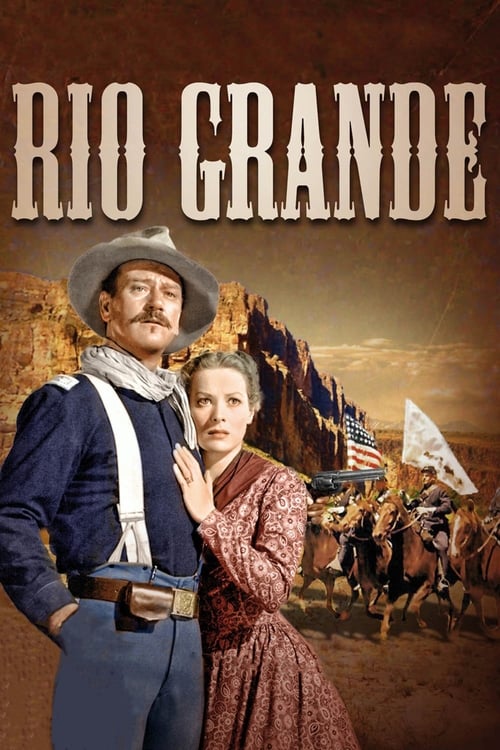
Rio Grande
1950
No user ratings available yet
Representation score: 0.8 out of 10

Representation Score
Minimal
1949
ApprovedDirector
John Ford
Runtime
104 minutes
Average Rating
No ratings yetNew Showbiz Analysis
John Ford’s classic Western is a study in institutional stability and traditional duty. It prioritizes the honor of the cavalry and the weight of command, offering a romanticized view of frontier life that upholds established social hierarchies. The film focuses on preserving order and the sanctity of the military chain of command, providing very little disruption to the era's prevailing cultural norms. While the film acknowledges the presence of Indigenous populations, it does so through a structural lens of military necessity, reinforcing a traditional colonial perspective.
Category Breakdown
The film strictly follows the social structures of the 19th-century frontier, with no representation of non-straight or non-cisgender identities.
The story revolves around masculine hierarchies and military command. While Cathleen Cleary shows some independence, her role is still tied to the male-dominated social order.
The Apache are shown as a central force in the conflict but are primarily depicted through the military's defensive needs within a colonial framework.
The narrative emphasizes traditional Western institutions and patriotism. It celebrates military duty and institutional loyalty without challenging social norms.
There are no prominent depictions of visible or invisible disabilities that significantly impact the narrative or serve as central character arcs.
Present on Screen
Limited or Absent
Official Synopsis
On the eve of retirement, Captain Nathan Brittles takes out a last patrol to stop an impending massive Indian attack. Encumbered by women who must be evacuated, Brittles finds his mission imperiled.
1950
1964
1948
1959
1950
1953
1956
1958
No reviews yet. Be the first to share your thoughts on this movie!
Use the rating form above to leave a star rating and optional review.