
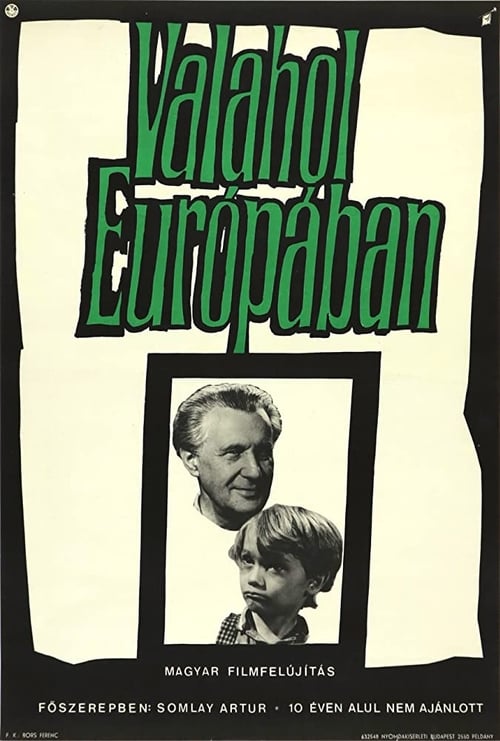
Somewhere in Berlin
1946
No user ratings available yet
Representation score: 6.8 out of 10

Representation Score
Fair
1948
NRDirector
Roberto Rossellini
Runtime
74 minutes
Average Rating
No ratings yetNew Showbiz Analysis
Rossellini’s work is a stark study of systemic failure rather than a showcase of demographic variety. It succeeds in deconstructing traditional social hierarchies, particularly by stripping away the myth of the stable, patriarchal family unit in favor of a more complex, survivalist reality. The film's strength lies in its sophisticated moral relativism. By framing a child's descent into theft as a consequence of a broken society, it challenges conventional notions of virtue and social order. However, the historical context limits its breadth. The focus on a homogeneous, post-war Berlin population results in low scores for racial and LGBTQ+ representation.
Category Breakdown
The film does not include any LGBTQ+ characters or narratives. The story focuses exclusively on the struggle for survival in a devastated urban landscape.
Women are depicted as resilient survivors navigating the ruins. The film avoids traditional masculine authority clichés, showing a collapsed patriarchal structure.
The narrative centers on a homogeneous population in post-war Berlin. It lacks diverse ethnic or racial representation due to the specific historical setting.
The film offers a profound critique of failed Western institutions like the family and the state. It prioritizes situational ethics over traditional moral absolutes.
The film portrays collective psychological and physical trauma rather than specific disabilities. It lacks characters with ability to act regarding neurodivergence or physical impairment.
Present on Screen
Limited or Absent
Official Synopsis
In the ruins of post-WWII Berlin, a twelve-year-old boy is left to his own devices in order to help provide for his family.
1946

1950
1948
1952

1980
1947

1945

1950
No reviews yet. Be the first to share your thoughts on this movie!
Use the rating form above to leave a star rating and optional review.