The 39 Steps
1935
No user ratings available yet
Representation score: 0.8 out of 10
Representation Score
Limited
1949
NRDirector
Carol Reed
Runtime
105 minutes
Average Rating
No ratings yetNew Showbiz Analysis
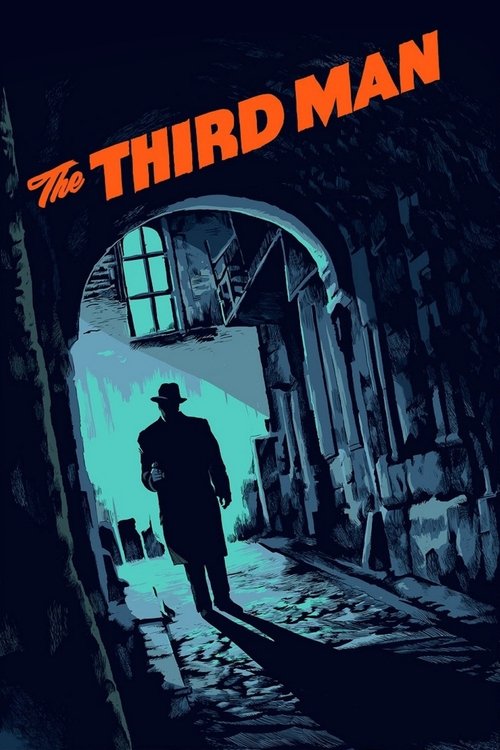
The Third Man is a profound exploration of existentialism that emphasizes moral ambiguity over traditional justice. Although it lacks contemporary demographic diversity, it offers a sophisticated critique of post-war social structures and institutional instability. The film's strength lies in its subversion of the traditional hero archetype by presenting a morally ambiguous world where systemic decay and corruption define the narrative. However, the historical context limits the film's representation of racial and LGBTQ+ diversity.
Category Breakdown
The film does not include any LGBTQ+ characters or relationships outside of traditional heterosexual ones. The romantic dynamics are focused solely on the relationship between Martins and Anna Schmidt.
Anna Schmidt's character provides a strong example of female independence and emotional intensity. Her actions and decisions play a significant role in driving the film's tragic conclusion.
The cast is primarily composed of white actors, reflecting the historical setting of 1949 Europe. The narrative focuses on the four-power occupation of Vienna, which limits the ethnic diversity within the story.
The film effectively challenges Western institutions and authority by presenting a complex view of morality and criticizing the corrupt system of black-market capitalism. It replaces simple moral judgments with existential dilemmas.
There are no visible or invisible disabilities that play a central role in the character arcs. Disability is not used as a narrative device in this story.
Present on Screen
Limited or Absent
Official Synopsis
In postwar Vienna, Austria, Holly Martins, a writer of pulp Westerns, arrives penniless as a guest of his childhood chum Harry Lime, only to learn he has died. Martins develops a conspiracy theory after learning of a "third man" present at the time of Harry's death, running into interference from British officer Major Calloway, and falling head-over-heels for Harry's grief-stricken lover, Anna.
1935
1944
1954
1955
1966
1938
2006
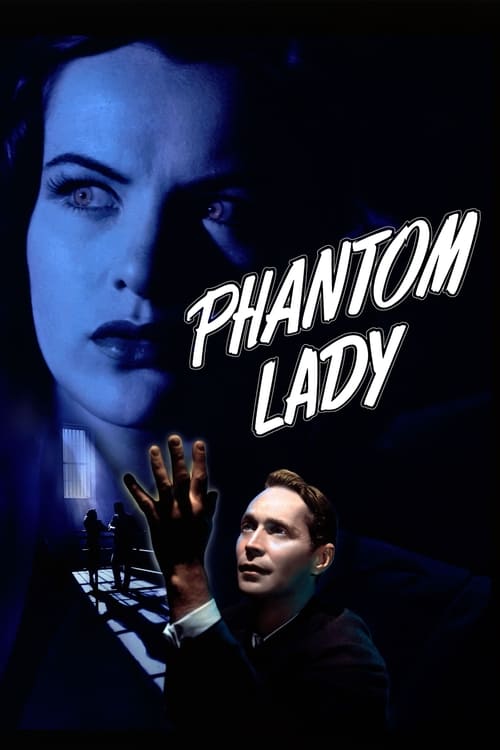
1944
No reviews yet. Be the first to share your thoughts on this movie!
Use the rating form above to leave a star rating and optional review.