Chinatown
1974
No user ratings available yet
Representation score: 3.5 out of 10
Representation Score
Good
1958
PG-13Director
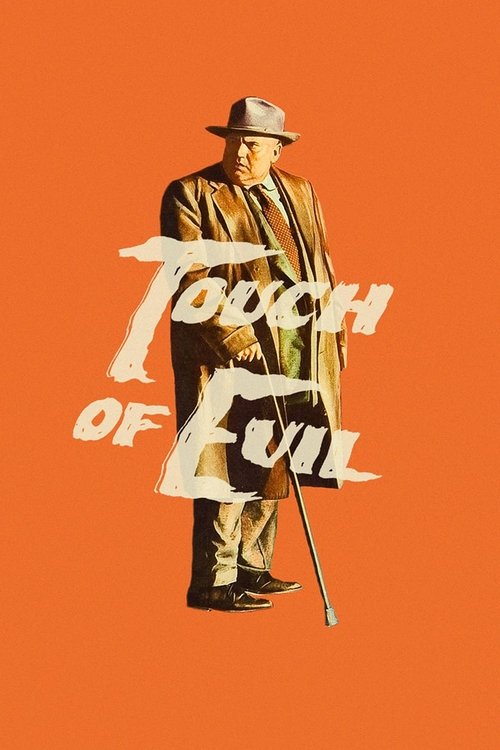
Orson Welles
Runtime
111 minutes
Average Rating
No ratings yetNew Showbiz Analysis
Orson Welles delivers a sophisticated deconstruction of institutional authority. The film's strength lies in its moral relativism, challenging the idea of a singular, objective morality through its corrupt protagonists. While the film excels at thematic subversion and complex character studies, it lacks representation for LGBTQ+ identities. The depiction of physical or mental instability remains tied to narrative clichés of moral fall rather than authentic disability exploration. Ultimately, the work provides a nuanced look at power and post-colonial tensions, making it a progressive study of systemic failure despite its narrow character demographics.
Category Breakdown
The film does not include any LGBTQ+ characters or explore non-straight relationships. The interpersonal dynamics focus on traditional romantic pairings without questioning the assumption that everyone is straight.
Women in the film play significant roles in driving the story. Characters like Susan use their intellect to complicate the male protagonists' paths.
The US-Mexico border setting highlights the tension between American authority and local Mexican-American life. It includes a diverse cast of characters from the border town to avoid a homogeneous depiction.
The narrative offers a sharp critique of institutional integrity and systemic corruption. It dismantles moral binaries by exploring situational ethics and the decay of authority.
Physical and psychological decline, seen in Captain Quinlan, serves as a tool for character study. These elements illustrate moral decay rather than exploring true ability to act related to disability.
Present on Screen
Limited or Absent
Official Synopsis
A border-town bombing draws Mexican investigator Miguel Vargas into a corruption-ridden police investigation led by crooked captain Hank Quinlan, setting off a deadly struggle over power, justice, and truth.
1974
1942

1967
1955
1947
1948
1997
1942
No reviews yet. Be the first to share your thoughts on this movie!
Use the rating form above to leave a star rating and optional review.