The Sword in the Stone
1963
No user ratings available yet
Representation score: 1.6 out of 10
Representation Score
Minimal
1940
GDirector
Hamilton Luske, Ben Sharpsteen, Jack Kinney, Bill Roberts, T. Hee, Norman Ferguson, Wilfred Jackson
Runtime
88 minutes
Average Rating
No ratings yetNew Showbiz Analysis
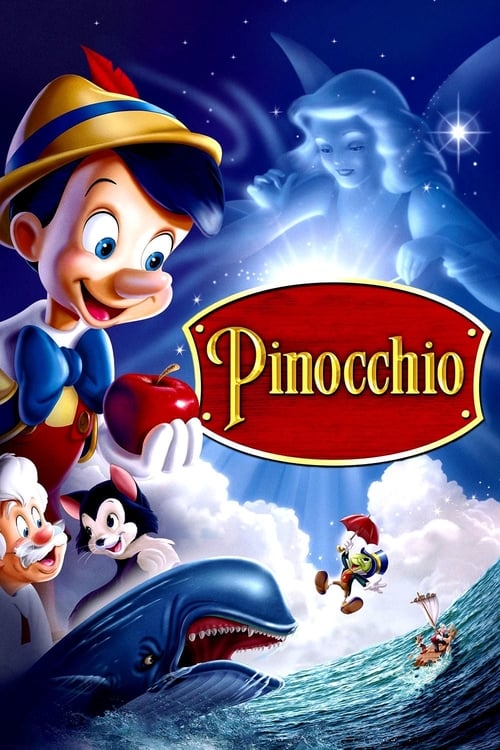
Pinocchio is a foundational work of traditionalist animation that prioritizes classical moral instruction. The narrative is designed to uphold established social and moral hierarchies rather than disrupt them. The film focuses on reinforcing Western values, such as industry, honesty, and familial devotion. This emphasis on discipline and authority creates a world rooted in moral absolutism. Because the story lacks complexity around multiple aspects of identity and adheres to a culturally uniform, patriarchal structure, it offers very little representation for underrepresented identities.
Category Breakdown
The film operates within a strictly straight-centered framework. There is no presence of non-traditional gender identities or same-sex intimacy throughout the story.
Gender roles follow traditional hierarchies, with Geppetto as the provider and the Blue Fairy in a maternal role. The narrative lacks significant dialogue between female characters.
The setting utilizes a homogeneous European aesthetic with a predominantly white cast. The world is presented as a culturally uniform environment without ethnic diversity.
The plot emphasizes obedience to authority and the sanctity of the family unit. It promotes singular moral ideals like truthfulness rather than moral relativism.
Physical differences, such as Pinocchio's wooden body, are treated as magical fantasy elements. There is no engagement with neurodivergence or lived disability experiences.
Present on Screen
Limited or Absent
Official Synopsis
When the gentle woodcarver Geppetto builds a marionette to be his substitute son, a benevolent fairy brings the toy to life. The puppet, named Pinocchio, is not yet a human boy. He must earn the right to be real by proving that he is brave, truthful, and unselfish.
1963
1941
1992
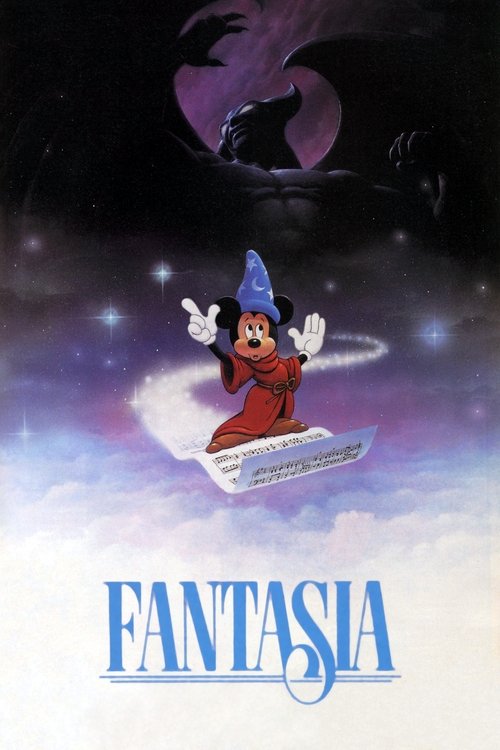
1940
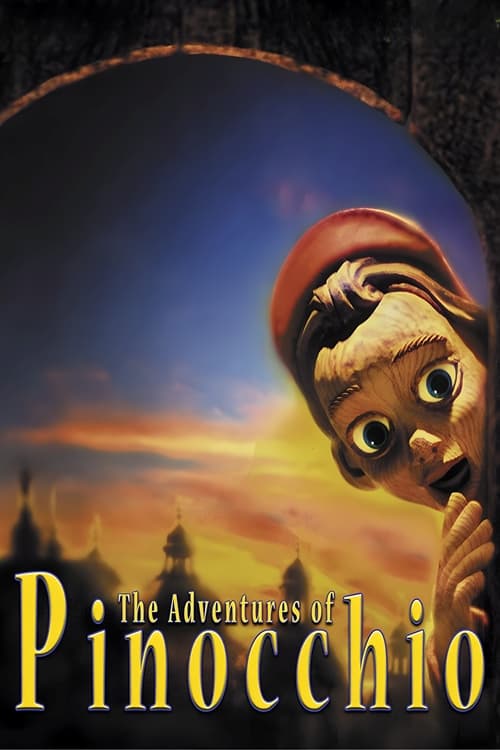
1996
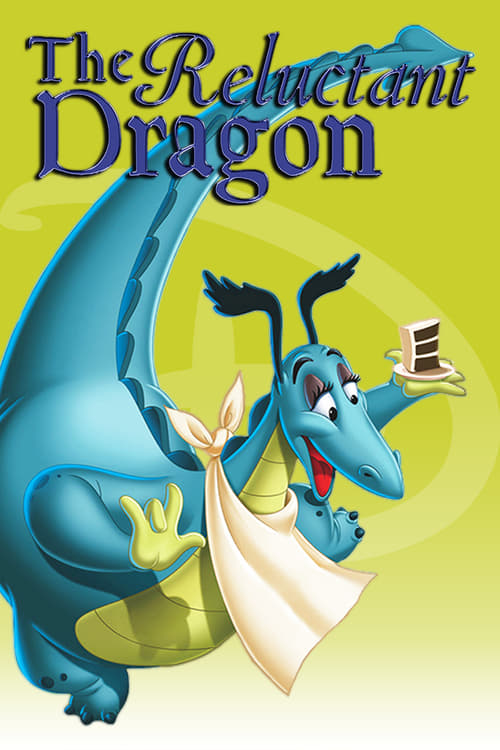
1941

2022

2019
No reviews yet. Be the first to share your thoughts on this movie!
Use the rating form above to leave a star rating and optional review.