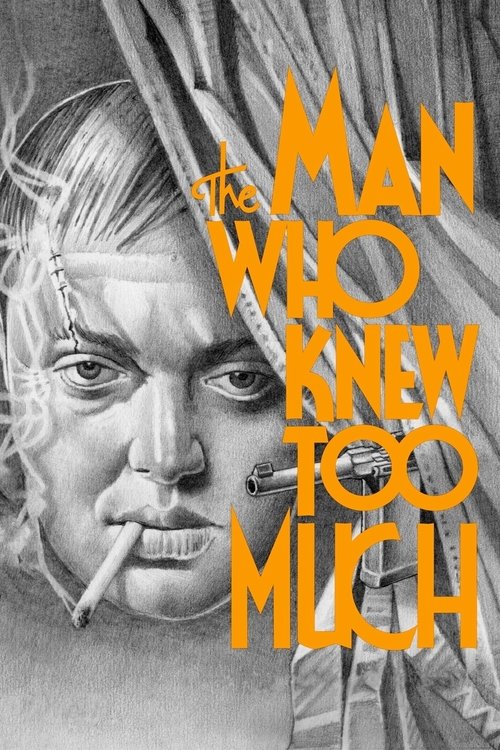
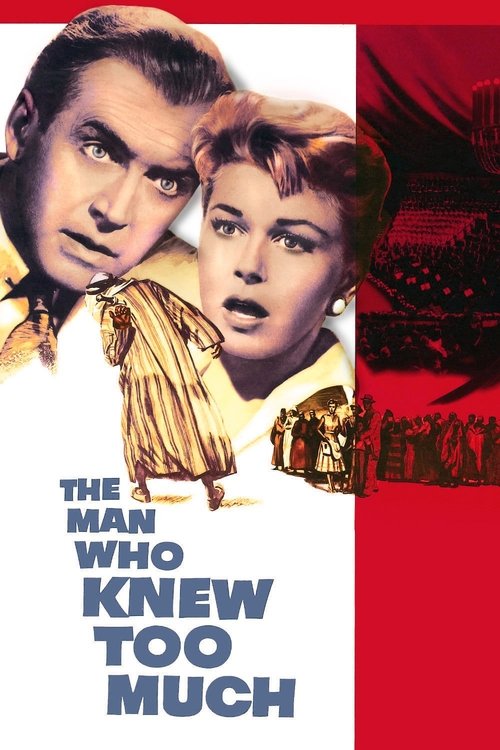
The Man Who Knew Too Much
1934
No user ratings available yet
Representation score: 0.6 out of 10
Representation Score
Minimal
1956
PGDirector
Alfred Hitchcock
Runtime
121 minutes
Average Rating
No ratings yetNew Showbiz Analysis
Alfred Hitchcock's thriller is a quintessential mid-20th century work that prioritizes suspense and the preservation of traditional family structures. The narrative structure reinforces established social hierarchies rather than challenging them. While the international setting offers a change from purely domestic narratives, Morocco serves mainly as a backdrop for the Western protagonists' journey. The film maintains a focus on moral binaries and the restoration of order within the home.
Category Breakdown
The film centers on a heterosexual marriage and does not include any non-cisgender identities or same-sex relationships.
Jo McKenna demonstrates significant emotional influence through her maternal instincts. However, the film adheres to traditional gender roles and family dynamics typical of the mid-20th century.
The Moroccan setting adds cultural richness, but locals are portrayed through a Western perspective. The story remains focused on the experiences of Western characters, limiting the ability to act of local populations.
The narrative emphasizes the sanctity of the nuclear family and upholds traditional values. It celebrates the restoration of domestic stability and the authority of the state.
There are no significant representations of visible or invisible disabilities in the film.
Present on Screen
Limited or Absent
Official Synopsis
An American doctor and his wife, a former singing star, witness a murder while vacationing in Morocco, and are drawn into a twisting plot of international intrigue when their young son is kidnapped.
1934
1966
1935
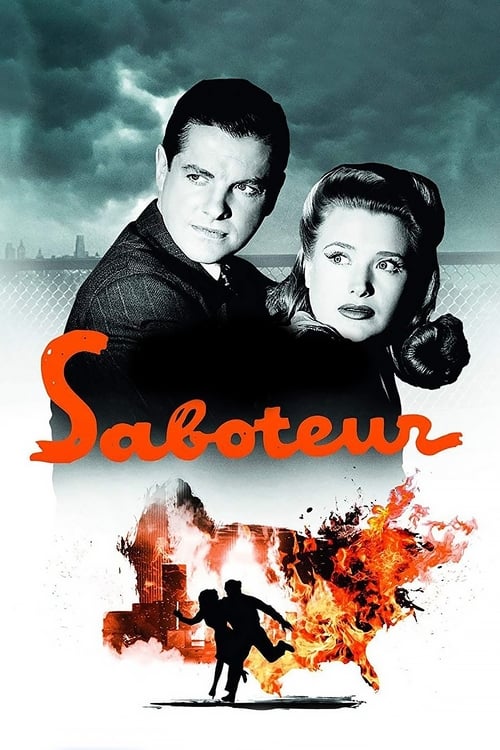
1942
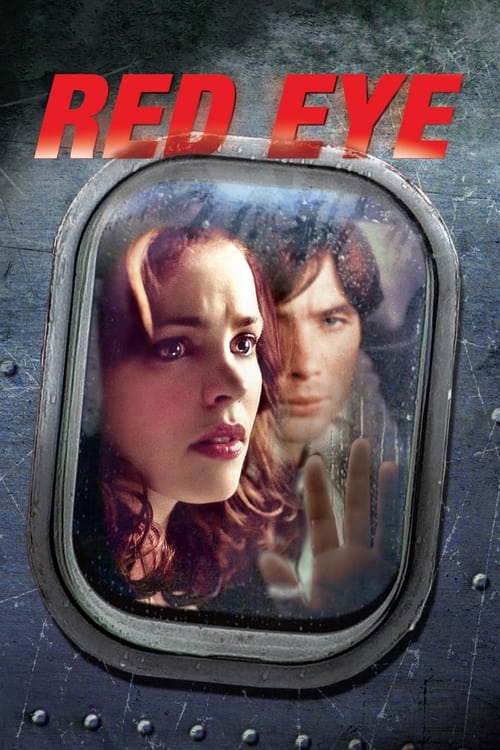
2005
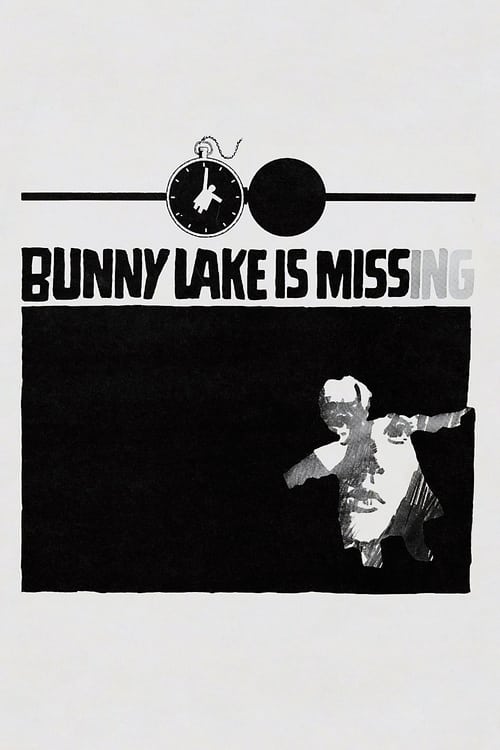
1965
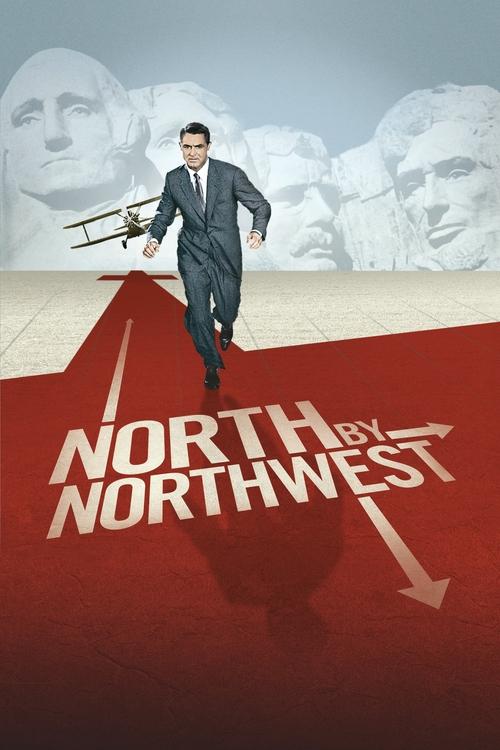
1959
1965
No reviews yet. Be the first to share your thoughts on this movie!
Use the rating form above to leave a star rating and optional review.