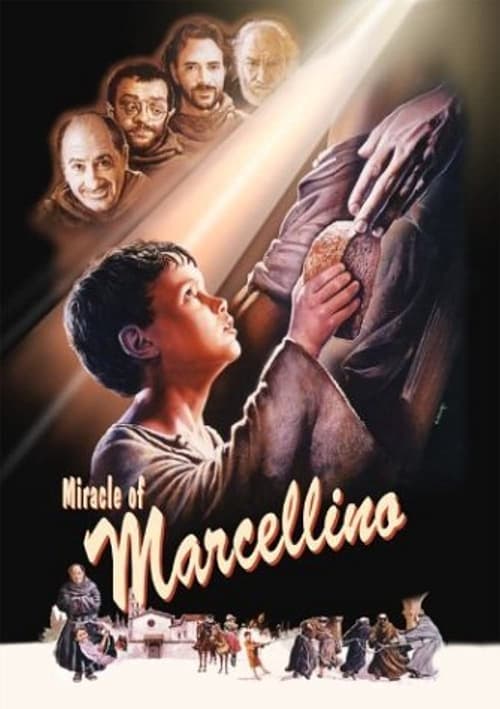
Miracle of Marcellino
1991
No user ratings available yet
Representation score: 1.9 out of 10
Representation Score
Minimal
1955
PGDirector
Ladislao Vajda
Runtime
91 minutes
Average Rating
No ratings yetNew Showbiz Analysis
The Miracle of Marcelino upholds traditional social and religious hierarchies. It presents a world where religious institutions provide stability, reflecting mid-century European norms. The film lacks complexity in addressing broader societal issues and instead focuses on classic narrative arcs and spiritual devotion.
Category Breakdown
The film stays within the religious and heterosexual norms of 1950s Spain. There is no indication of LGBTQ or non-binary identities in the monastic setting.
The story focuses on a male-dominated monastic environment. Women are mostly absent, appearing only as the archetype of a missing mother figure.
The casting reflects a homogeneous society typical of 19th-century Spain. The film sticks to historical accuracy without incorporating diverse casting.
This film exemplifies traditional religious storytelling. It emphasizes Christian morality and portrays religious institutions as key sources of stability.
The protagonist's status as an orphan highlights themes of vulnerability. However, loneliness is treated as a spiritual issue rather than a specific disability.
Present on Screen
Limited or Absent
Official Synopsis
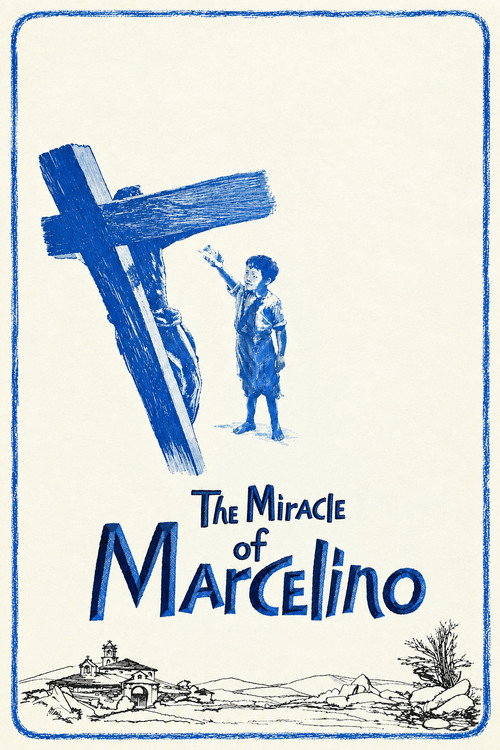
Left on the doorstep of a monastery as an infant, Marcelino was raised by the monks. He was well-cared for but lonely and missed having a mother. One day he found a special friend in the forbidden attic, hanging on a cross. A friend that would repay Marcelino's kindness by granting him one heart-felt wish.
1991
1951
2003
1937
2010
1961
1957

1921
No reviews yet. Be the first to share your thoughts on this movie!
Use the rating form above to leave a star rating and optional review.