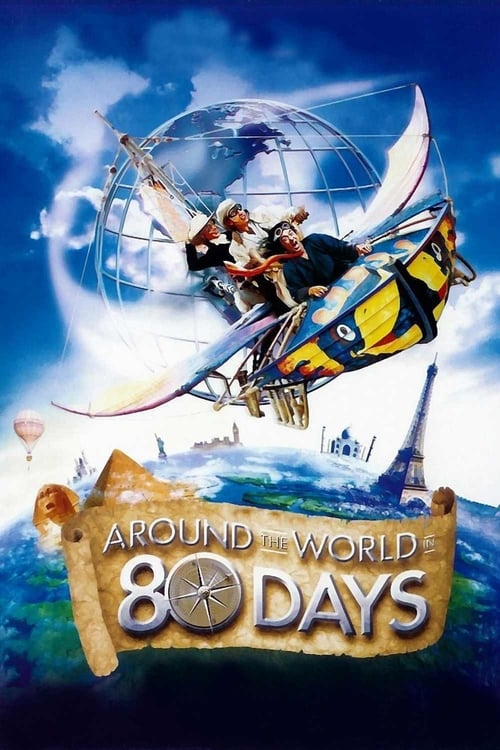
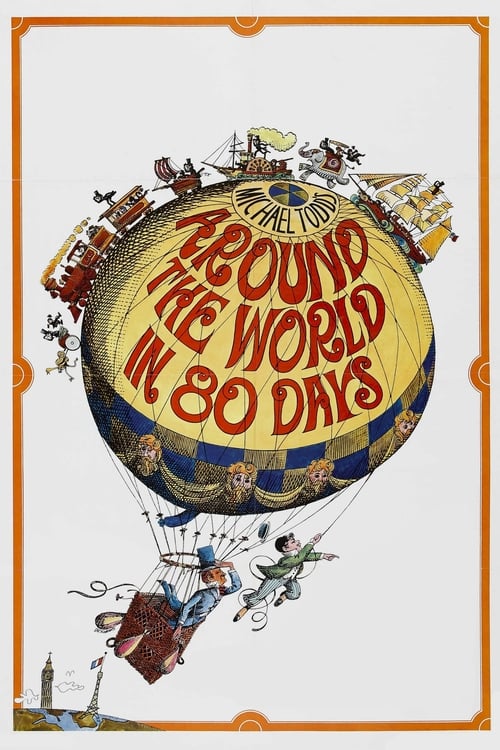
Around the World in 80 Days
2004
No user ratings available yet
Representation score: 3.5 out of 10
Representation Score
Minimal
1956
GDirector
Michael Anderson
Runtime
182 minutes
Average Rating
No ratings yetNew Showbiz Analysis
This 1956 adventure film is a classic example of its time, emphasizing grand spectacle and traditional narrative structures. It celebrates Western-centric progress and traditional character types without challenging societal norms. The film’s storytelling reinforces established social and cultural norms, maintaining a mid-century Western perspective despite its global setting.
Category Breakdown
The film adheres to a traditional focus on straight relationships and does not include any characters with diverse gender identities.
Phileas Fogg serves as the main driver of the plot, while female characters play supporting roles that reinforce traditional gender roles.
The film features a global setting that includes Egypt, India, and Hong Kong, but it maintains an Anglo-centric viewpoint that reflects colonial-era perspectives.
The story highlights Western ingenuity and progress, presenting a positive view of global connectivity and mid-19th century Western structures.
The film does not feature any characters with visible or invisible disabilities, nor does it address neurodivergence or physical impairments.
Present on Screen
Limited or Absent
Official Synopsis
Based on the famous book by Jules Verne the movie follows Phileas Fogg on his journey around the world. Which has to be completed within 80 days, a very short period for those days.
2004
1959

1995

1959
1987
1940

2010
1958
No reviews yet. Be the first to share your thoughts on this movie!
Use the rating form above to leave a star rating and optional review.