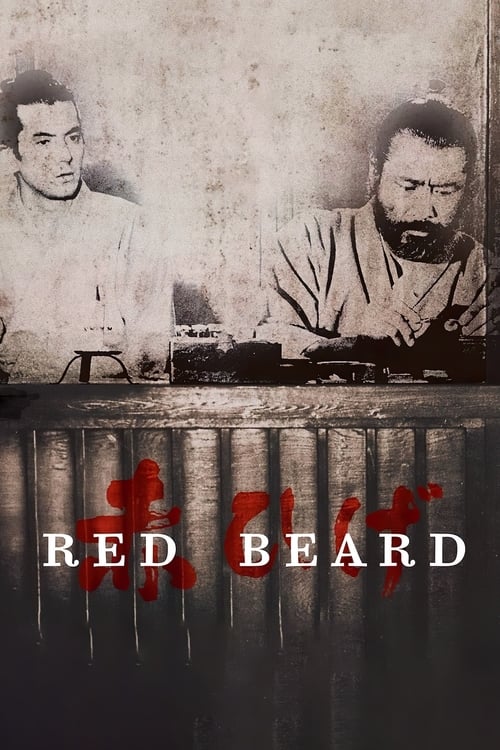
Red Beard
1965
No user ratings available yet
Representation score: 4.3 out of 10

Representation Score
Fair
1952
Not RatedDirector
Akira Kurosawa
Runtime
143 minutes
Average Rating
No ratings yetNew Showbiz Analysis
Ikiru is a profound existential study that prioritizes systemic critique over demographic variety. Its strength lies in how it dismantles the dehumanizing nature of institutional power through a singular, transformative human journey. While the film lacks representation for LGBTQ+ identities and features limited women's ability to drive the story, it excels in cultural depth. It uses the protagonist's illness not just for tragedy, but as a catalyst for social defiance. Ultimately, the film's impact comes from its interrogation of the individual versus the state, offering a sophisticated look at how one finds meaning within a rigid, oppressive society.
Category Breakdown
The film does not include any LGBTQ+ characters or narratives. It adheres strictly to the mid-century Japanese social norms of the time.
The story focuses on a male-dominated bureaucracy where women are primarily confined to the domestic sphere, reflecting traditional patriarchal structures and emotional distance.
The cast is a homogeneous Japanese ensemble reflecting the specific historical context of 1952 without modern multi-layered or globalized racial diversity.
The film provides a sharp critique of bureaucratic capitalism and institutionalism. It deconstructs the 'salaryman' archetype by prioritizing individual purpose over state rituals.
A terminal cancer diagnosis drives the plot. While the protagonist leans into the tragic figure cliché, he maintains ability to act through his moral and psychological evolution.
Present on Screen
Limited or Absent
Official Synopsis
Kanji Watanabe is a middle-aged man who has worked in the same monotonous bureaucratic position for decades. Learning he has cancer, he starts to look for the meaning of his life.
1965

1948

1970
1951
1988

2001

1997
1991
No reviews yet. Be the first to share your thoughts on this movie!
Use the rating form above to leave a star rating and optional review.