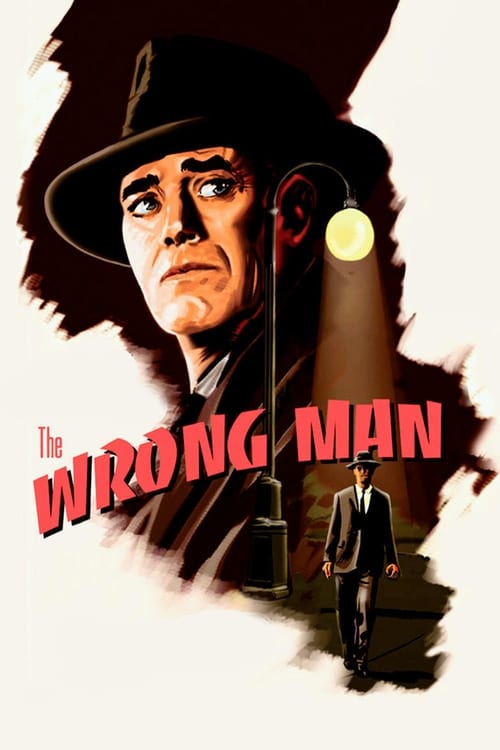
The Wrong Man
1956
No user ratings available yet
Representation score: 3.3 out of 10
Representation Score
Limited
1936
ApprovedDirector
Fritz Lang
Runtime
92 minutes
Average Rating
No ratings yetNew Showbiz Analysis
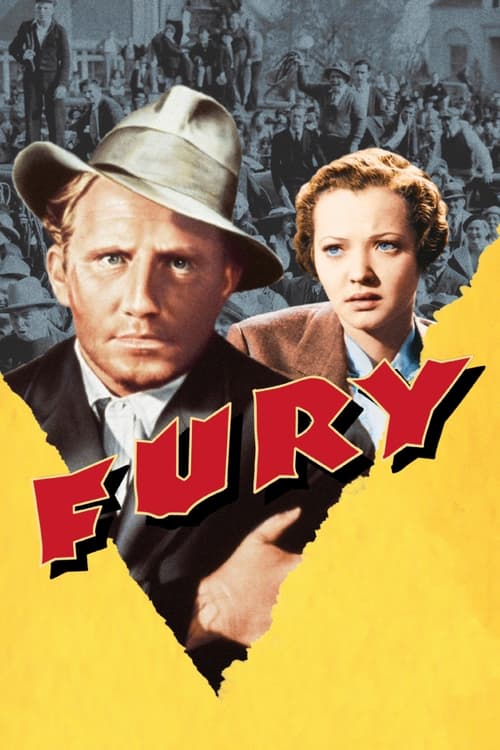
Fritz Lang’s *Fury* is a sophisticated critique of mob mentality and systemic failure. It stands out for its courage in addressing racial injustice, using the story of a Black man to highlight the consequences of prejudice and the fragility of the legal system. While the film excels in its social critique of institutional corruption, it lacks modern diversity. The narrative is heavily focused on masculine-driven conflict, leaving female characters in minor roles and offering no visibility for LGBTQ+ identities. Ultimately, the film’s progressive value lies in its deconstruction of the status quo. It prioritizes a study of identity-based power struggles over traditional themes of patriotism or social stability.
Category Breakdown
The film does not include any LGBTQ+ characters or explore non-straight relationships. The social environment is strictly based on traditional hierarchies from the 1930s.
The story focuses on masculine dynamics and peer pressure among men. Women play minor roles, mostly within the domestic or emotional aspects of the male-driven plot.
Lang presents a critical view of racial power dynamics and systemic violence. The film challenges the homogeneity of its time by focusing on the struggle against racial prejudice and legal failures.
The story criticizes Western institutions, showing the legal system and civic order as corruptible. It views established social structures with skepticism rather than promoting traditional community solidarity.
The film does not feature significant or central representations of physical or neurodivergent disabilities.
Present on Screen
Limited or Absent
Official Synopsis
Joe, who owns a gas station along with his brothers and is about to marry Katherine, travels to the small town where she lives to visit her, but is wrongly mistaken for a wanted kidnapper and arrested.
1956
1956

1937
1949
1947
1937
1937
1942
No reviews yet. Be the first to share your thoughts on this movie!
Use the rating form above to leave a star rating and optional review.