Rome, Open City
1945
No user ratings available yet
Representation score: 4.1 out of 10
Representation Score
Fair
1946
ApprovedDirector
Roberto Rossellini
Runtime
125 minutes
Average Rating
No ratings yetNew Showbiz Analysis
Rossellini’s masterpiece challenges traditional wartime narratives by using a fragmented, episodic structure. Rather than focusing on a single heroic journey, the film presents a multifaceted view of systemic breakdown and moral ambiguity. The narrative centers on the disenfranchised, including the poor and displaced. By highlighting the human cost of geopolitical changes, it questions the assumed superiority of invading military forces. While the film excels in depicting the struggles of the working class, it lacks representation of LGBTQ+ characters and treats disability as a general consequence of war rather than specific character studies.
Category Breakdown
The film focuses on the harsh realities of wartime survival. There are no LGBTQ+ characters or discussions about non-traditional gender identities.
Women are shown as strong and resilient, providing emotional support when traditional male leadership fails. Men are often portrayed as vulnerable or ineffective in the face of systemic chaos.
The story highlights the tension between national identities, particularly the disconnect between Allied military forces and the local Italian population. It avoids showing a uniform Western military force.
The film criticizes traditional institutions like the state and church, which fail to offer moral guidance. It emphasizes the struggles of the working class and peasant communities.
The film showcases the physical and mental impacts of war. However, these are presented as universal consequences of war rather than specific studies of individual disabilities.
Present on Screen
Limited or Absent
Official Synopsis
Six stories unfold in various regions, from Sicily to the northern Po Valley as American military personnel interact with a variety of Italian locals over eighteen months in the push north during the Italian Campaign of WWII as German forces retreat.
1945

1960
1962
1940
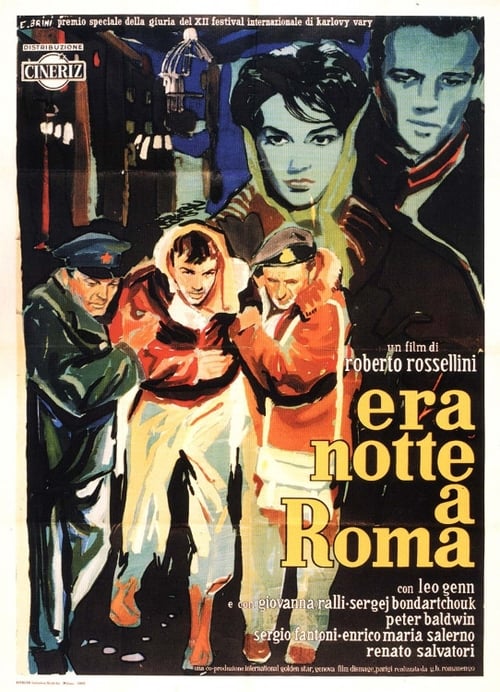
1960
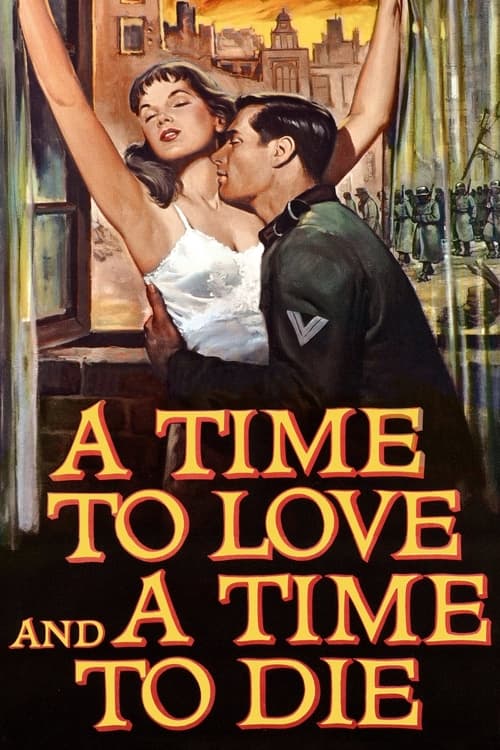
1958
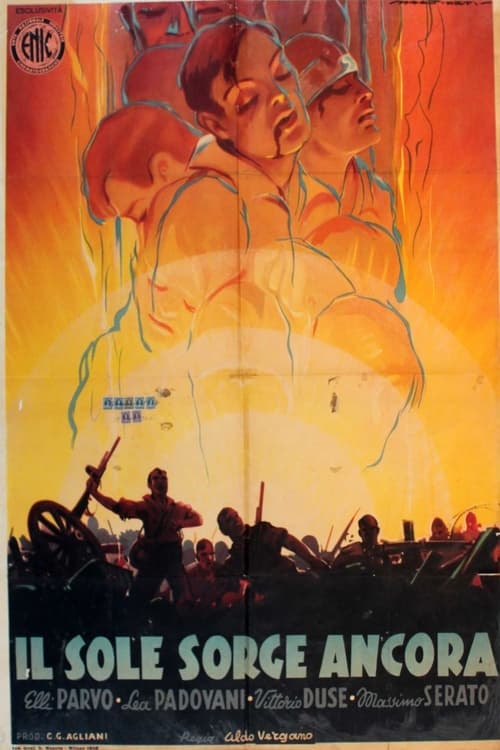
1946
2004
No reviews yet. Be the first to share your thoughts on this movie!
Use the rating form above to leave a star rating and optional review.