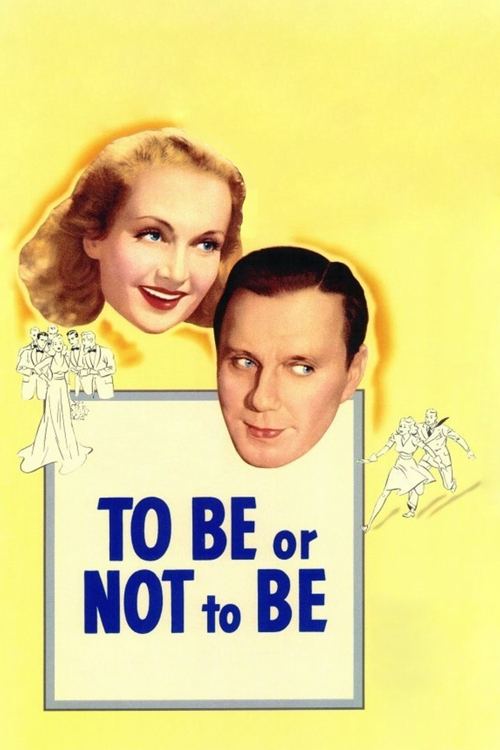
To Be or Not to Be
1942
No user ratings available yet
Representation score: 8.1 out of 10
Representation Score
Limited
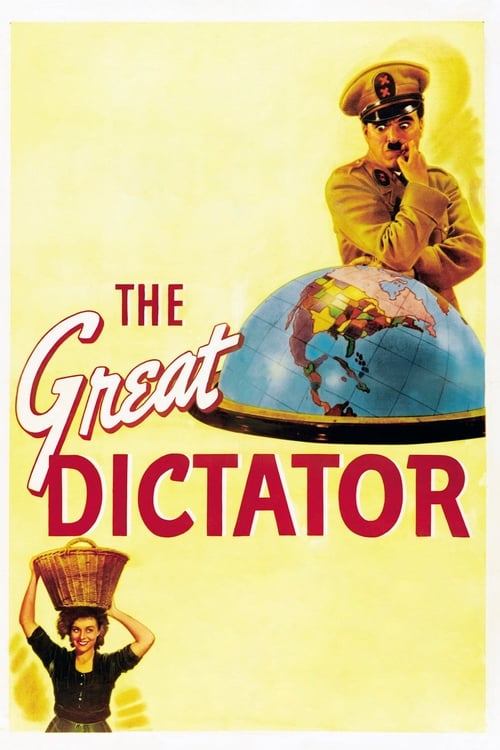
1940
NRDirector
Charlie Chaplin
Runtime
125 minutes
Average Rating
No ratings yetNew Showbiz Analysis
Charlie Chaplin’s satire courageously addresses systemic racism and fascist ideology. By focusing on a Jewish barber’s struggle against a totalitarian regime, the film challenges the era’s tendency towards homogeneous casting. However, it lacks modern markers of diversity, particularly in terms of gender and LGBTQ+ identities, which limits its score in these areas. Ultimately, the film’s strength lies in its humanitarian message, using cinema to critique oppressive systems and promote individual freedom and democratic values.
Category Breakdown
The film does not include any LGBTQ+ characters or non-cisgender identities. It follows the societal norms of the 1940s, assuming everyone is straight and cisgender.
Gender roles in the film follow traditional structures, with the female lead providing emotional support. Although the dictator's portrayal satirizes extreme masculinity, the narrative does not actively challenge gender hierarchies.
The film is a significant critique of racial supremacy, focusing on a Jewish protagonist to explore anti-Semitism and the dignity of underrepresented communities.
The narrative offers a nuanced critique of Western power structures and nationalism, advocating for secular humanism and challenging the morality of the geopolitical order.
The film does not feature any significant depictions of physical or neurodivergent disabilities as central character traits or plot devices.
Present on Screen
Limited or Absent
Official Synopsis
Dictator Adenoid Hynkel tries to expand his empire while a poor Jewish barber tries to avoid persecution from Hynkel's regime.
1942
1933
1918
1938
1979
1983
1975
1970
No reviews yet. Be the first to share your thoughts on this movie!
Use the rating form above to leave a star rating and optional review.