
Tabu: A Story of the South Seas
1931
No user ratings available yet
Representation score: 4.0 out of 10
Representation Score
Minimal
1949
NRDirector
Cecil B. DeMille
Runtime
134 minutes
Average Rating
No ratings yetNew Showbiz Analysis
Cecil B. DeMille’s epic preserves established social and religious structures. It relies heavily on classical archetypes that reinforce traditional hierarchies rather than challenging them. The film prioritizes a singular moral framework, centering the narrative on divine righteousness and the fulfillment of religious vows. This approach leaves little room for diverse perspectives or moral relativism. Ultimately, the production reflects mid-century Hollywood norms, utilizing a homogenized aesthetic and traditional gender roles to drive its central conflict.
Category Breakdown
The film adheres to an assumption that everyone is straight or cisgender. There are no representations of LGBTQ+ identities or same-sex relationships.
Samson embodies traditional masculine strength and leadership. Delilah is portrayed as a femme fatale, using seduction and manipulation rather than overt authority.
A predominantly white cast portrays Middle Eastern figures, lacking ethnic specificity. The visual representation relies on a homogenized aesthetic rather than demographic complexity.
The story is built upon singular religious morality and divine will. It presents a binary struggle between righteousness and betrayal without questioning systemic power.
There is no meaningful depiction of disability or neurodivergence. Physicality is used solely as a tool for divine empowerment.
Present on Screen
Limited or Absent
Official Synopsis
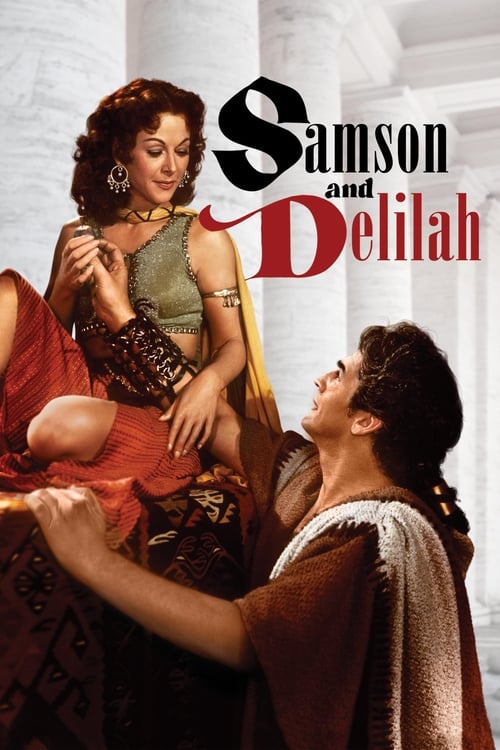
When strongman Samson rejects the love of the beautiful Philistine woman Delilah, she seeks vengeance that brings horrible consequences they both regret.
1931
1959

2006

1951
1959
1938
1991

1927
No reviews yet. Be the first to share your thoughts on this movie!
Use the rating form above to leave a star rating and optional review.