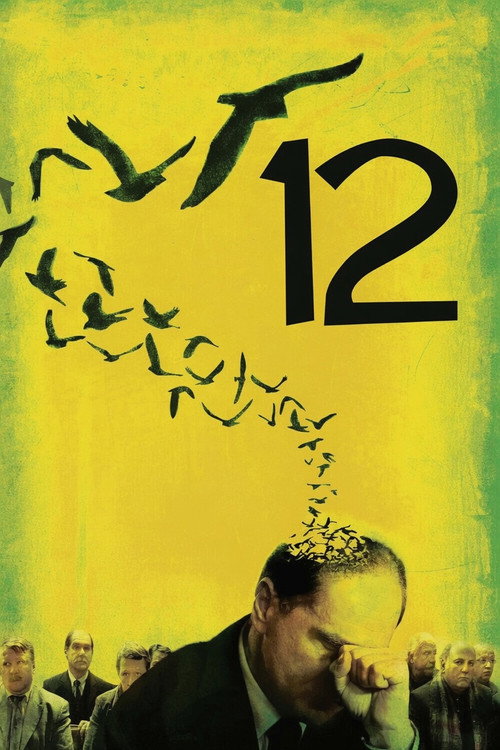
12
2007
No user ratings available yet
Representation score: 2.4 out of 10

Representation Score
Limited
1950
NRDirector
Akira Kurosawa
Runtime
88 minutes
Average Rating
No ratings yetNew Showbiz Analysis
Rashomon is a landmark of cinematic architecture that uses a fragmented structure to question the idea of objective truth. It prioritizes psychological depth and the preservation of ego over traditional moral certainty. While the film lacks modern demographic variety, it excels in its cultural and philosophical complexity. It replaces Western-style moral absolutes with a postmodern skepticism toward unified truth. Ultimately, the film’s strength lies in its ability to use a specific historical setting to explore universal human flaws and the subjectivity of memory.
Category Breakdown
The film focuses solely on heterosexual and cisgender relationships during the Heian period. There are no characters with non-binary genders or same-sex relationships.
Masako avoids the cliché of the helpless woman by taking a leading role in the story. She exercises control over her situation through her testimony and narrative.
The setting is culturally uniform, reflecting 12th-century Japan. It provides an indigenous perspective on Japanese social hierarchies without a Western-centric viewpoint.
The film offers a sophisticated study of moral relativism. It challenges absolute morality by portraying human behavior as driven by subjective truths and self-interest.
The narrative does not feature characters with visible or invisible disabilities as central elements.
Present on Screen
Limited or Absent
Official Synopsis
Four people recount different versions of the story of a man's murder and the rape of his wife.
2007
1960
1954
1949
1990
1954
1946
1962
No reviews yet. Be the first to share your thoughts on this movie!
Use the rating form above to leave a star rating and optional review.