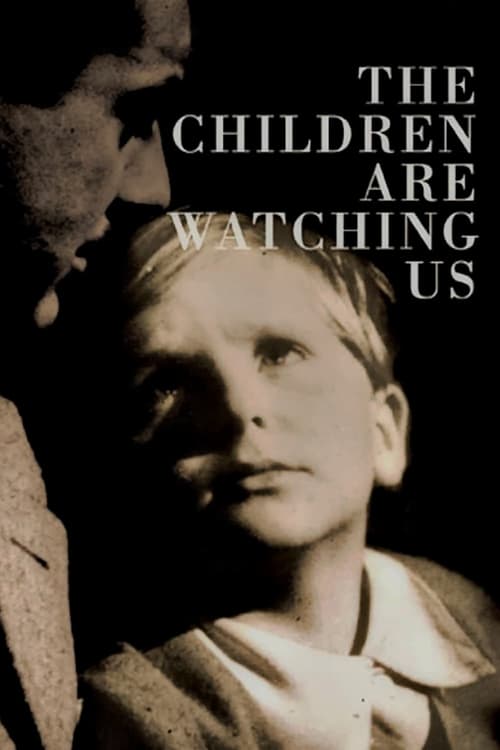
The Children Are Watching Us
1943
No user ratings available yet
Representation score: 7.2 out of 10
Representation Score
Fair
1946
Not RatedDirector
Vittorio De Sica
Runtime
91 minutes
Average Rating
No ratings yetNew Showbiz Analysis
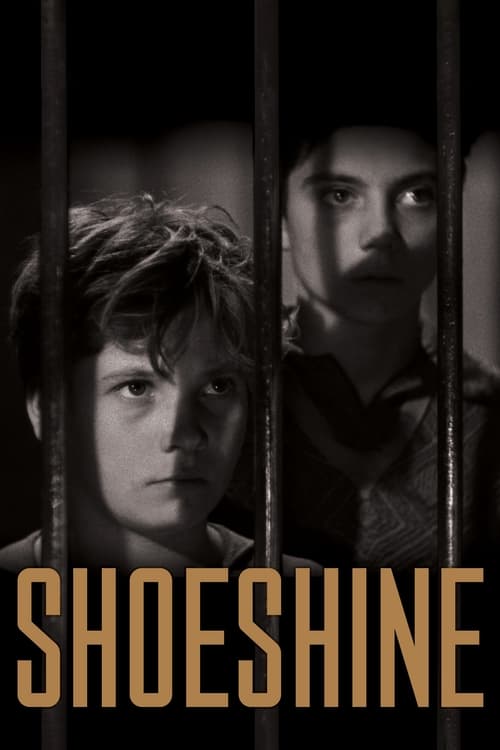
Vittorio De Sica’s film is a deep exploration of systemic failures rather than individual morality. By focusing on the working class in post-war Rome, the film critiques institutional power rather than addressing modern diversity issues. The narrative effectively dismantles the justice system and capitalist structures. It portrays the protagonists' struggles as a tragic consequence of economic neglect, offering a powerful social critique through the lens of lost childhood innocence. However, the film’s limited demographic range restricts its diversity. The absence of strong female roles and the lack of diverse ethnic or LGBTQ+ representation reflect the specific socioeconomic context of the time rather than a broad inclusive perspective.
Category Breakdown
The story focuses on the friendship between two young boys and their survival. There are no explicit depictions of non-traditional gender identities or same-sex relationships.
The film primarily features male characters involved in the street economy of post-war Rome. It lacks strong roles for women and does not challenge traditional gender roles.
The setting depicts a predominantly white Italian population after World War II. The story focuses on class differences rather than diverse ethnic backgrounds.
The film critically examines Western institutions and the juvenile justice system. It portrays state authority as a dehumanizing force that fails to protect the vulnerable.
While there are no clinical disabilities shown, the film explores the psychological impact of poverty. It presents the emotional toll of institutionalization with great depth.
Present on Screen
Limited or Absent
Official Synopsis
Two shoeshine boys in postwar Rome, Italy save up to buy a horse, but their involvement as dupes in a burglary lands them in juvenile prison; the experience take a devastating toll on their friendship.
1943
1952

1959

1949
1948

1960

1954

1948
No reviews yet. Be the first to share your thoughts on this movie!
Use the rating form above to leave a star rating and optional review.