
Red Beard
1965
No user ratings available yet
Representation score: 4.3 out of 10

Representation Score
Fair
1948
NRDirector
Akira Kurosawa
Runtime
98 minutes
Average Rating
No ratings yetNew Showbiz Analysis
Drunken Angel delves into the complexities of post-war Tokyo, focusing on societal critiques rather than contemporary diversity markers. It excels in dismantling social hierarchies and highlighting the failures of traditional institutions during a time of national rebuilding. The film's strengths lie in its cultural authenticity and its thoughtful examination of chronic illness as a metaphor for societal decay. It avoids melodrama, using physical decline to reflect broader social issues. However, the narrative remains confined by its historical context, notably in terms of gender roles and the lack of LGBTQ+ representation.
Category Breakdown
The film does not include any LGBTQ+ characters or narratives. Relationships and interactions are centered around male friendships and conventional romance.
The story focuses on male relationships, particularly the tension between the doctor and the yakuza member. Female characters are portrayed as symbols of home life rather than as individuals with their own goals or influence.
The cast is predominantly Japanese, providing an authentic look at Japanese society during the post-war reconstruction period.
The film critiques post-war economic systems and corrupt institutions. It challenges absolute morality by showing criminal behavior as a response to systemic issues.
Tuberculosis is a key theme, used to explore the idea of decay. The character's declining health highlights the struggle for personal ability to act in the face of biological decline.
Present on Screen
Limited or Absent
Official Synopsis
In postwar Tokyo, a blunt, alcohol-soaked doctor diagnoses a swaggering young yakuza with tuberculosis, forging an uneasy bond that’s tested when the gangster’s ruthless former boss returns and drags him back toward the swampy underworld he can’t escape.
1965
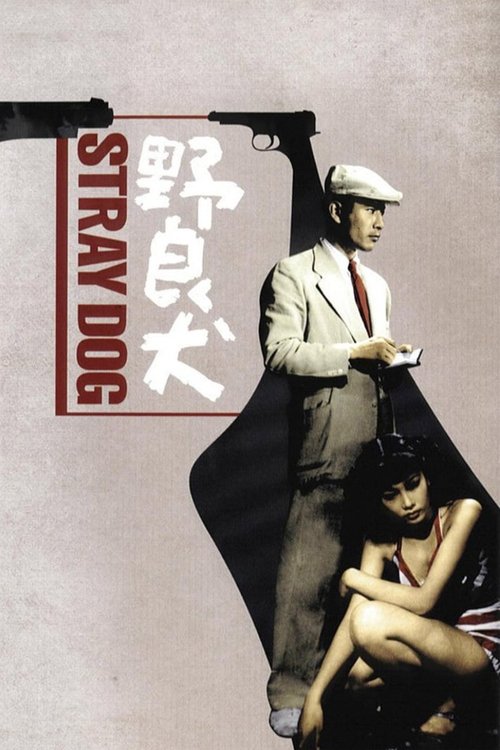
1949

1949
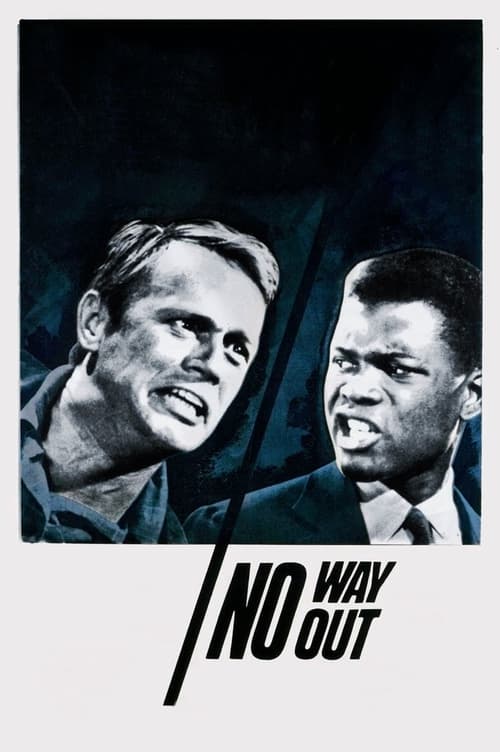
1950
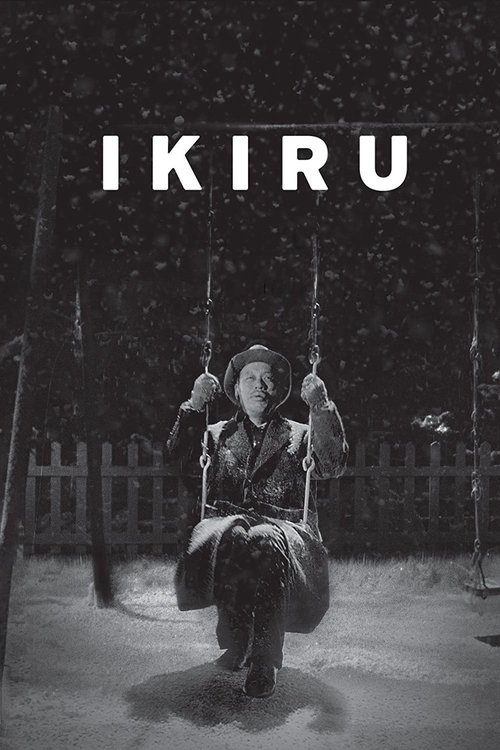
1952

1938

1964

1955
No reviews yet. Be the first to share your thoughts on this movie!
Use the rating form above to leave a star rating and optional review.