Persepolis
2007
PG-13No user ratings available yet
Representation score: 9.5 out of 10
These lists use approved religious and cultural representation scores for Contemporary films (1990s-present) that have written notes. A higher score means the analysis found more on-screen treatment of religion, culture, or related critique. A lower score means that treatment is thinner or absent. It is not a virtue score and not a warning label.
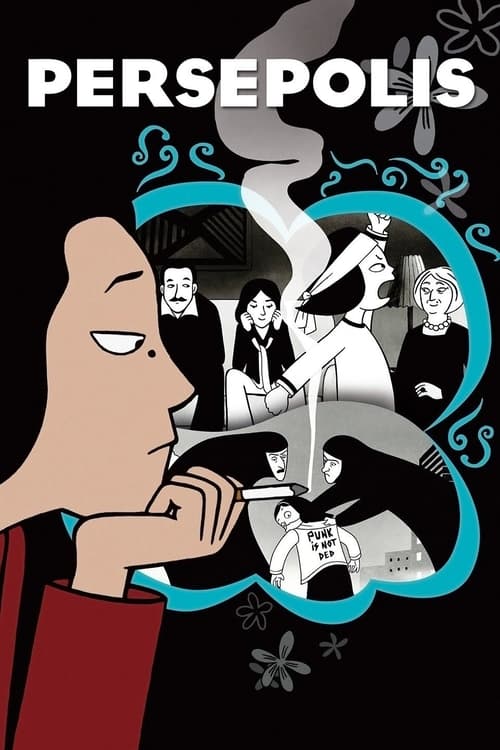
The narrative critiques religious institutions as instruments of state oppression rather than moral guidance. It explores the tension between private intellectual freedom and public religious conformity.
The movie critiques Western dominance and exploitative capitalism. It portrays foreign interference as a major threat, emphasizing the importance of community unity over individualistic Western values.
The film critiques religious-based social engineering by portraying conversion camps as absurd institutions, emphasizing individual authenticity.
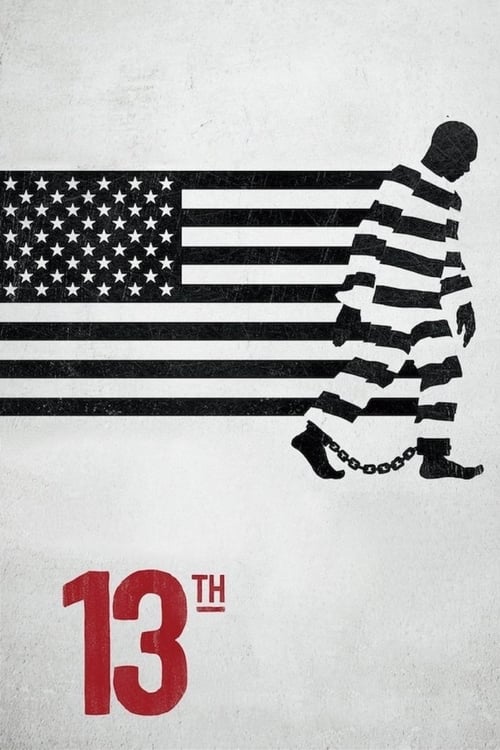
The documentary offers a profound critique of Western institutions and the prison-industrial complex. It deconstructs 'law and order' narratives to highlight how the justice system maintains racial hierarchies.
The narrative critiques neoliberalism and Western political institutions by highlighting the subjective biases and shifting allegiances of the characters.
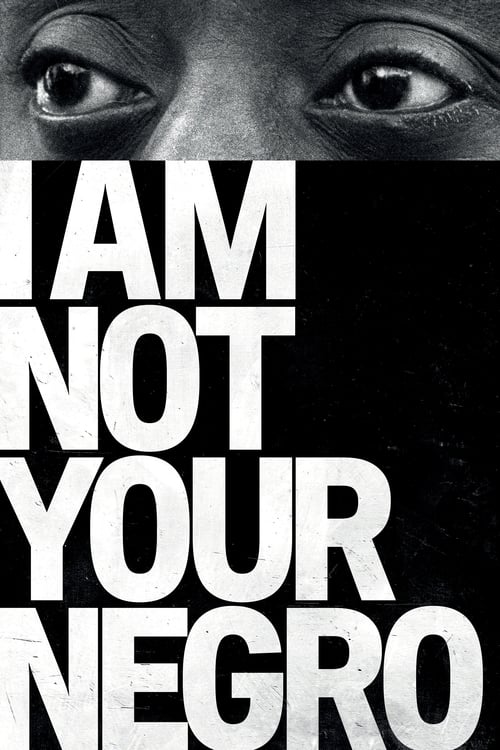
The film critically examines Western institutions such as capitalism and religion, exposing the hypocrisy behind religious justifications for segregation and questioning the foundations of the American Dream.
The film critiques Western institutions and law enforcement by presenting police officers as agents of instability.
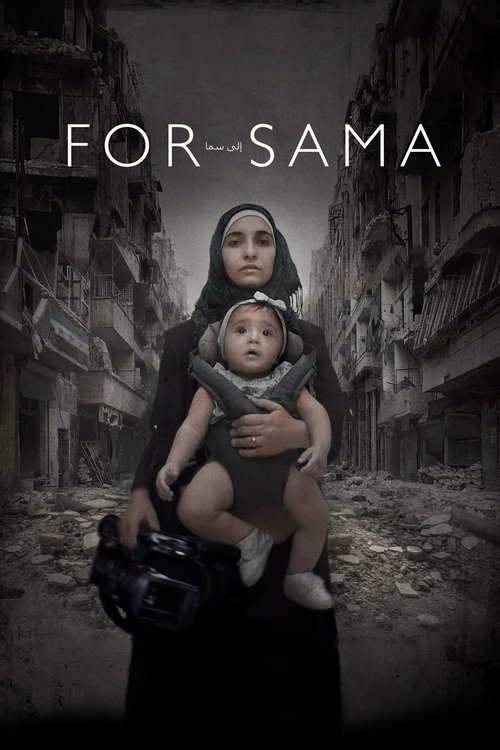
The narrative criticizes the failure of international institutions and portrays state-sponsored entities as oppressive. It prioritizes individual and community survival over nationalist or state-driven ideologies.
The film parodies Western religious institutions and critiques the Hollywood studio system. It uses transgressive humor to challenge these established norms.
This film offers a powerful critique of post-colonial structures, framing cultural rebellion as a response to state-sanctioned institutions and capitalist exploitation.
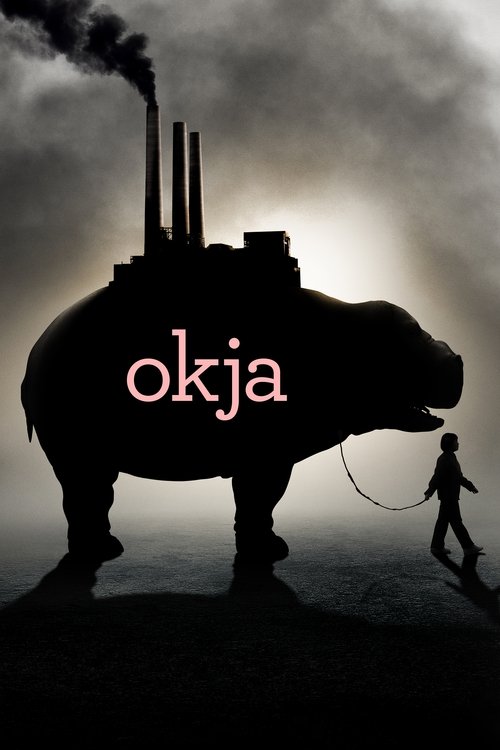
The film provides a critical look at Western capitalist institutions, portraying the pursuit of profit as a predatory force. It challenges the assumed morality of global markets.
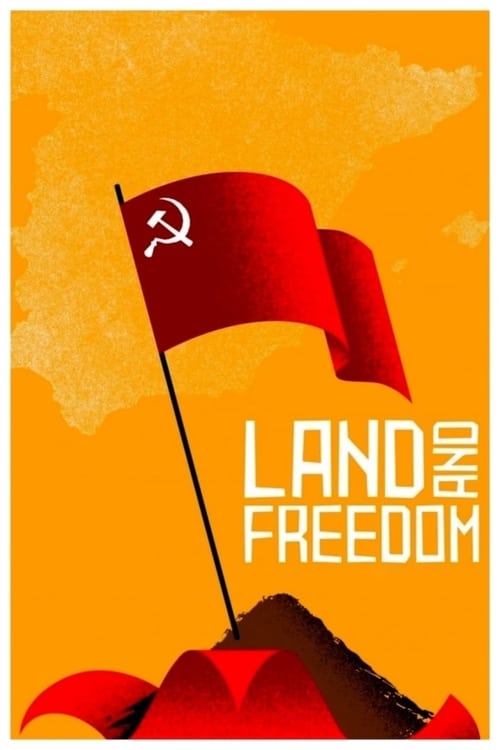
The film critiques Western institutions and state-enforced morality, presenting the dismantling of authority as necessary for freedom and liberation.
The narrative criticizes Western institutions by portraying the Cold War establishment as dehumanizing. It presents the 'othered' characters as having a higher ethical stance than the state.
The story critiques Western institutions and capitalism, framing the collapse of traditional authority as a necessary evolution against an oppressive system.
The story uses religious stories to criticize organized religion and deception. It promotes a move towards secularism and personal freedom by challenging established social hierarchies.
The film critically examines hyper-consumerism and capitalist structures, especially in Neo-Seoul. It portrays systemic institutions as oppressive forces that characters must resist.
The film offers a sophisticated critique of Western institutions and the predatory nature of the tech-capitalist class. It portrays traditional political and corporate power structures as inherently corrupt.
The movie criticizes Western capitalism and industrial modernity. It portrays corporate authority as deceitful and emphasizes ethical compassion over profit.
The film sharply criticizes Western capitalist institutions and consumer culture. It portrays civilized manners as a fragile construct upheld by wealth alone.
The film provides a harsh critique of small-town Americana and Western social norms. It portrays communal institutions as sites of systemic oppression rather than virtuous entities.
The story criticizes idealized Western institutions and the rigid morality of the 1950s. It depicts traditional social contracts as artificial constructs that stifle individual truth and authenticity.
The film critiques the Western nuclear family structure through Alexia's interactions with Vincent. It portrays anti-social behaviors as necessary survival strategies rather than moral failings.
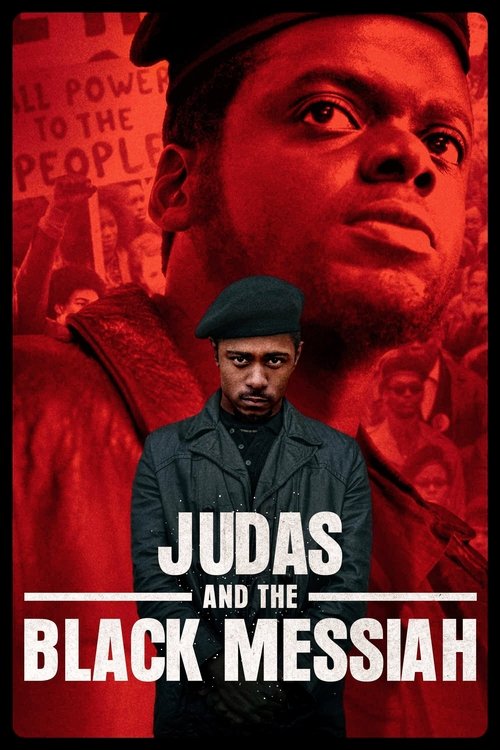
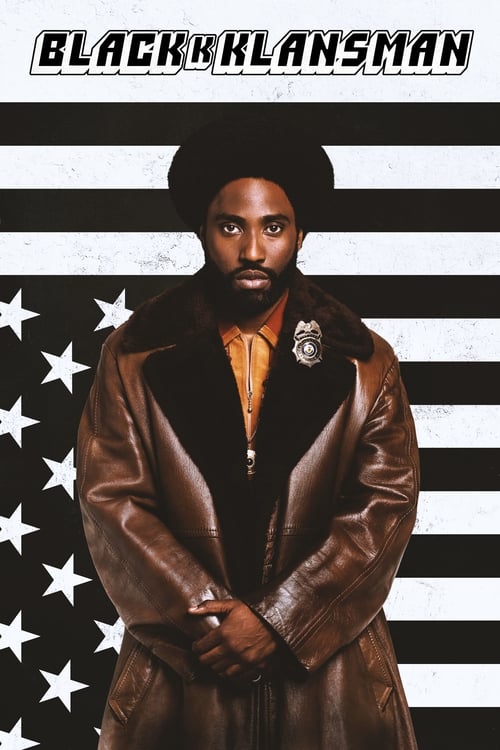
The film portrays the FBI as an antagonistic force, criticizing Western institutions. It emphasizes community-led initiatives, such as the Free Breakfast Program, as important alternatives to state dependency.
The story critiques Western institutions and neoliberal policies, portraying state bureaucracy as oppressive and dehumanizing.
The story provides a profound critique of religious fundamentalism and the nuclear family. It portrays traditional institutions as sources of trauma when prioritizing dogma over individual well-being.
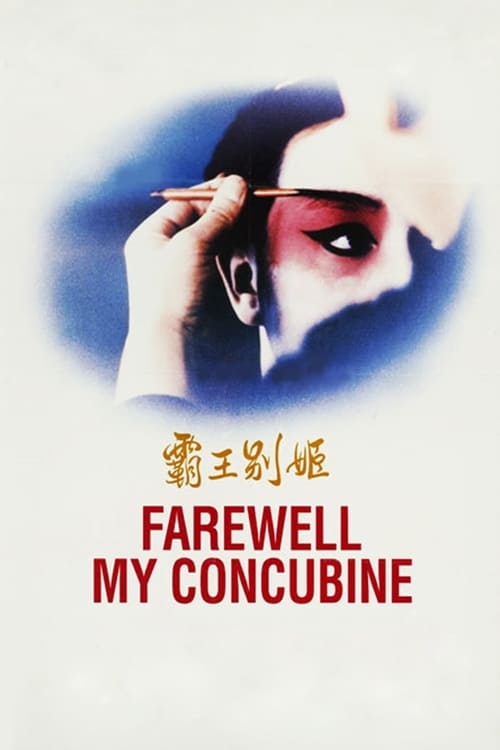
The film provides a profound critique of institutional oppression and the trauma of the Cultural Revolution. It depicts characters forced into ethically ambiguous positions to survive systemic upheaval and political fanaticism.
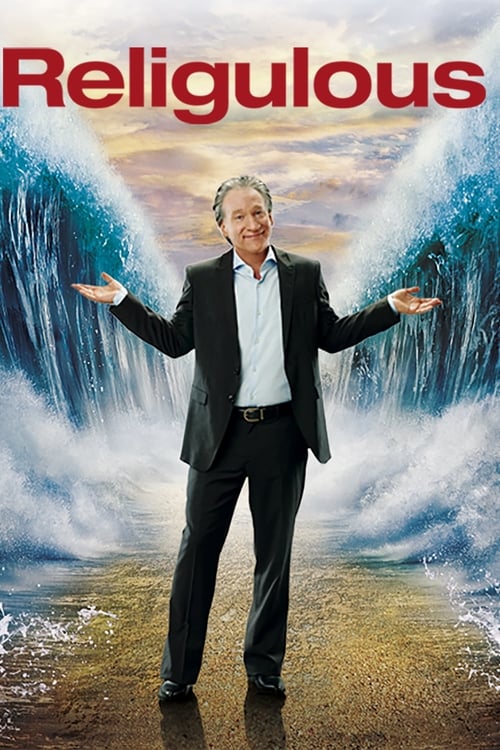
The film deconstructs traditional Western institutions by emphasizing secular and scientific reasoning. It portrays sacred texts and religious authorities as sources of social division and historical conflict.
The plot emphasizes secularism and personal freedom over religious doctrine. It portrays the rejection of religious discipline and sacred vows as a form of comedic empowerment.
The film provides a critical look at Western institutions and the financial sector. It portrays the pursuit of profit as a systemic issue that destabilizes society.
The film critiques the Catholic Church and 1970s Irish social structures as oppressive. It portrays the protagonist's survival strategies as necessary responses to systemic exclusion.
The film critiques Western middle-class respectability and traditional institutions. It frames social deviants as empowered figures rather than cautionary tales.
The narrative criticizes the Catholic Church and centralized state authority as reactionary forces. It highlights the struggle of the working class against oppressive, traditional Western hierarchies.
The film critically examines Western institutional stability and performative ethics. It questions the moral authority often claimed by the intellectual elite.
The film critiques capitalism and bourgeois values through a communal perspective. It portrays traditional institutions like the nuclear family as restrictive and ideologically oppressive.
Wakandan isolation is framed as a moral failure that T'Challa must correct. The film rejects traditional paternal authority in favor of communal engagement and the sharing of resources with the diaspora.
The film critiques consumerist structures and the exploitation of workers. It also examines the manipulation of truth through political propaganda and 'propos'.
The story offers a sharp critique of Western institutions and inherited wealth. It exposes the hollow 'progressive' branding of the wealthy family to highlight systemic class oppression.
The narrative critiques the Capitol's wealth and anti-capitalist stance by deconstructing traditional authority and patriotism. It portrays these elements as tools of state-sponsored psychological warfare and oppression.
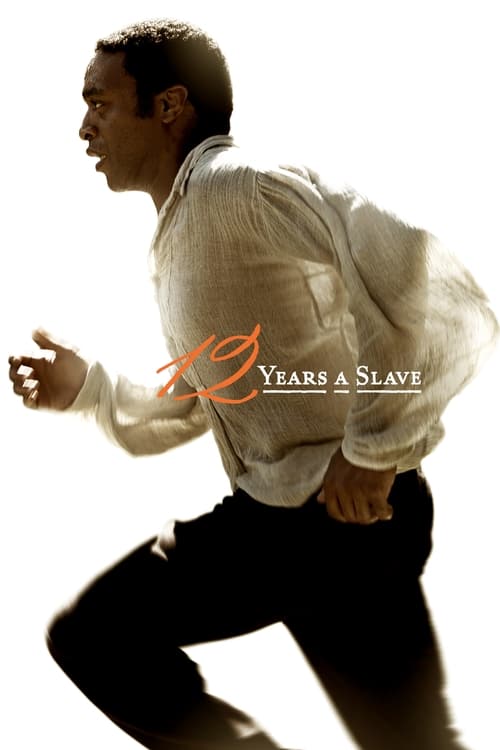
The film critiques how religious and legal institutions were used to justify cruelty. It examines how capitalism and dehumanization intersect within the slave trade.
The narrative offers a strong critique of authoritarianism and fascist military regimes. It elevates disobedience as a central virtue against oppressive, state-sanctioned morality.
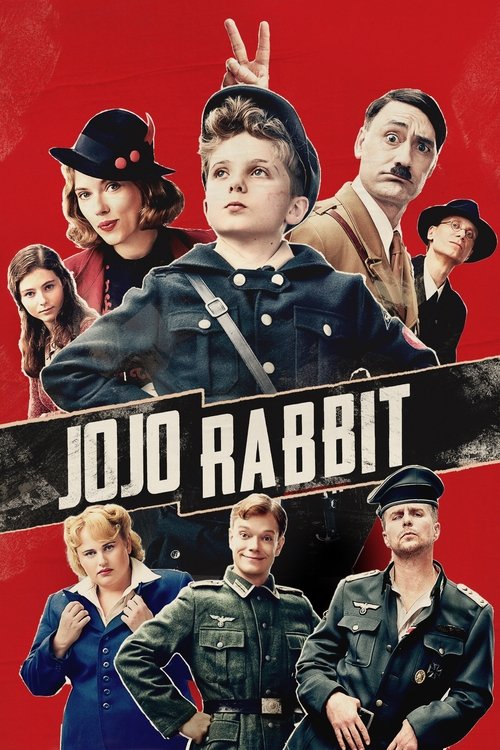
The story critiques extreme nationalism and state-mandated structures. It dismantles the corrupt Nazi system to emphasize a nuanced, empathetic perspective.
The movie criticizes Western institutions and government overreach. It emphasizes 'found family' structures over traditional patriotic or biological families, showing a nuanced view of moral relativism.
The narrative provides a profound critique of late-stage capitalism and the privatization of human rights. It frames the hoarding of resources by elites as a systemic injustice.
The movie provides a critical look at Western institutions and capitalism, portraying government and media as inherently flawed or dysfunctional.
The narrative deconstructs the white savior cliché by framing prophecy as a tool of social control. It offers a profound critique of Western-style imperialism and resource capitalism.
The story critiques white supremacy and Western power structures by blending historical drama with contemporary footage of white supremacist events.
The story critiques Western institutions and capitalism. It highlights the dismantling of traditional social hierarchies and systemic inequalities.
The film provides a strong critique of religious extremism and Western institutions. It portrays organized religion as a destructive and irrational force.
The story offers a powerful critique of systemic exploitation and corporate dominance. It celebrates the disruption of institutional authority, framing the resistance as a movement for both individual and collective liberation.
The story critiques Western capitalist structures, portraying high-status consumerism as corrupt and spiritually empty.
The film critiques Western institutions and pharmaceutical bureaucracy. It portrays capitalist profit motives as conflicting with human rights.
The film's parody structure may critique Western institutions through absurdity. Specific themes related to cultural representation are yet to be confirmed.
The narrative critiques how market forces encourage the production of stereotypical identities for profit. It depicts corporate publishing structures as exploitative through an anti-capitalist lens.
The film's framework critiques Western institutions and the ethics of state retaliation. It focuses on systemic failures and bureaucratic processes.
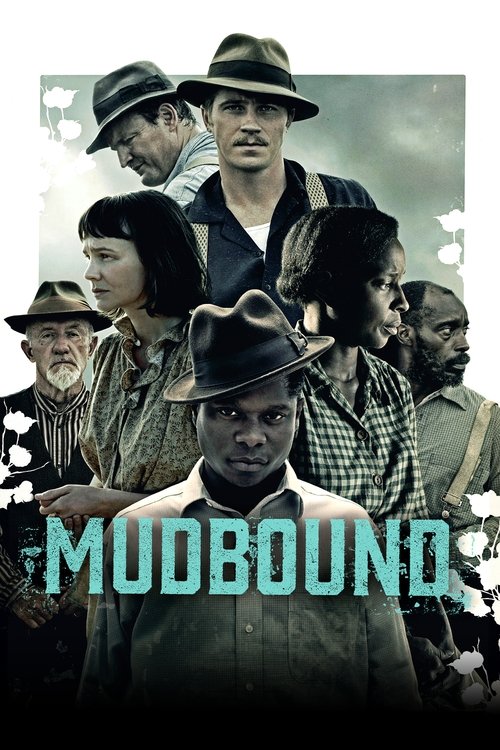
The narrative critiques exploitative capitalist structures and corrupt legal institutions. It dismantles idealized depictions of Southern history and traditional American prosperity.
No information regarding religious or cultural representation is available in the source material. The thriller premise focuses on survival rather than cultural exploration.
The story critiques the predatory nature of the music industry and the commodification of Black talent without resorting to moralistic condemnation.
The narrative examines how the music industry commodifies Black culture for profit. It delves into the tension between institutional authority and individual liberation.
The plot follows a conventional thriller storyline centered on kidnapping and ransom without any critique of Western institutions or religious traditions.
The movie critically examines capitalism and urban gentrification. It portrays displacement as a systemic issue that tears apart established communities and erases underrepresented histories.
This entry appears to be fabricated. There is no cultural or religious content to evaluate because the movie does not exist.
The story upholds evangelical Christian values and the importance of the nuclear family. It highlights religious authority as a solution to personal and familial issues.
The film promotes a singular Christian moral framework and emphasizes the importance of the nuclear family.
The film promotes a singular Christian moral framework and traditional Western institutions. It emphasizes the church and nuclear family as key societal pillars.
Patriotism, military duty, and national survival are treated as unquestioned virtues and the primary moral framework. The British and French alliance is portrayed with dignity, and the evacuation is framed as a noble, necessary act of state.
The narrative centers on Western values and the authority of the Catholic Church. It portrays the family unit and church as key defenses against spiritual chaos.
The story celebrates Western institutions and American military values. It emphasizes patriotism and discipline without addressing anti-Western or anti-capitalist viewpoints.
The story prioritizes Catholic spiritual practices and religious authority as the main defense against evil. It reinforces traditional faith and the sanctity of the family unit.
The story celebrates Western institutions and patriotism, framing the mission as a triumph of Western science and individual heroism. Traditional patriarchal family structures are reinforced.
The story emphasizes Western values, particularly the sanctity of the nuclear family and religious institutions. Christian rituals play a key role in protecting against supernatural threats.
The film emphasizes a religious perspective centered around divine providence and the sanctity of the nuclear family, reinforcing traditional Western values.
The film highlights the effectiveness of Western institutions and science. It reinforces traditional hierarchies and emphasizes adherence to protocols and patriotism.
The film adapts Homer’s epic, centering on ancient Greek gods, kings, and heroic ideals. It portrays traditional Western foundational myths without evidence of critique toward those institutions or values.
The story reinforces a traditional Western/Eastern cultural divide. Religious institutions are portrayed as antagonistic forces without nuanced exploration.
The story highlights Western institutional values such as patriotism and military discipline. It reinforces traditional ideas of duty and the sanctity of the Allied cause.
The narrative prioritizes Western institutionalism and American patriotism. It presents a binary struggle between lawful state authority and external criminal threats.
The film emphasizes strict institutional authority rather than moral flexibility. It portrays centralized governance as the primary solution to societal issues.
This patriotic film emphasizes the American military and its institutions without questioning its underlying structures or religious foundations. It celebrates the military's role in upholding national sovereignty.
The film promotes traditional family values, framing survival as dependent on the family unit staying together. Suburban life and parental protection are portrayed as positive forces against external chaos.
The story upholds Western democratic ideals and the nuclear family without critiquing them.
This patriotic narrative centers on American heroism and the sanctity of duty. It portrays Western institutions like law enforcement as stabilizing forces, presenting a clear moral dichotomy.
The story upholds traditional Western sociopolitical ideals like nationalism and the sanctity of domestic territory. It does not challenge capitalism, religion, or the family unit.
The film foregrounds traditional family values, parental sacrifice, and moral integrity. It prioritizes conventional leadership and family bonds over systemic critique or anti-Western perspectives.
The narrative is deeply rooted in singular Christian morality and traditional Western values. It portrays religious institutions and the nuclear family as essential pillars of stability.
The narrative upholds Western institutional power and state-sanctioned authority. It celebrates patriotism and the traditional family unit without offering critiques of Western hegemony.
The film emphasizes traditional Western values and Christian morals. Religious devotion is presented as the main source of stability and unity.
The story celebrates Western industrial progress and colonial enterprise. It portrays the railway as a symbol of technological triumph over nature.
The narrative celebrates Christian values and the sanctity of the nuclear family. Faith and religious institutions are portrayed as the primary sources of stability.
The story emphasizes Christian morality and portrays traditional faith as stabilizing against academic secularism. It presents a singular moral framework centered on Western religion.
The narrative highlights patriotism and the defense of the nation. Traditional institutions like the military and national sacrifice are celebrated as inherently positive.
The film is set during the Cold War, framing a clear conflict between the U. S.
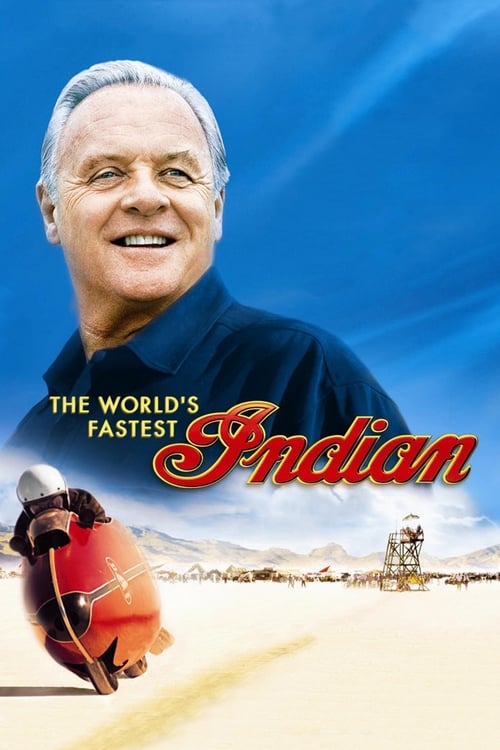
The narrative celebrates Western values like individualism and perseverance. It portrays the protagonist's mechanical work as a virtuous pursuit of a singular dream.
The film is deeply rooted in Christian morality and traditional Western values, portraying religious institutions as stabilizing social forces.
The story celebrates Western pop culture and consumerism without addressing anti-Western critiques or secular versus religious themes.
The story upholds traditional Western values such as individual heroism and the nuclear family. It presents a clear moral divide between the protagonist and antagonists.
The story centers on singular Christian morality and the sanctity of traditional institutions, promoting absolute spiritual truths over moral relativism.
The story celebrates Western values of meritocracy and capitalist enterprise. It portrays industrial progress and luxury production as key achievements.
The narrative honors traditional Western institutions like monarchy and family loyalty. Gods are vengeful, but the story frames Odysseus’s duty as noble.
The film promotes traditional Western values, emphasizing romantic love and family structures. It operates within accepted institutional boundaries, reinforcing conservative norms without challenging them through anti-capitalist or secular perspectives.
The film promotes traditional family values by centering on saving a child’s life. It frames the cartel as purely villainous and the protagonists as heroic defenders of innocence.