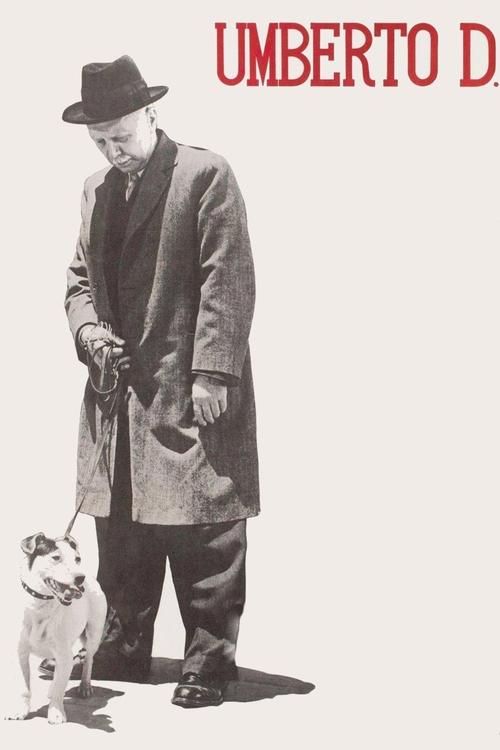
Umberto D.
1952
No user ratings available yet
Representation score: 5.3 out of 10
Representation Score
Fair
1948
NRDirector
Vittorio De Sica
Runtime
89 minutes
Average Rating
No ratings yetNew Showbiz Analysis
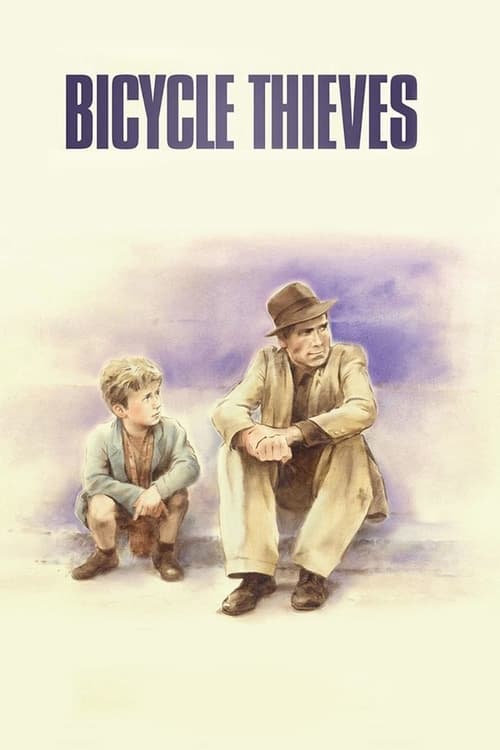
Bicycle Thieves is a masterwork of Italian Neorealism that prioritizes socio-economic realism over studio artifice. While its demographic diversity is limited by its historical and localized context, its narrative architecture is deeply progressive. The film succeeds by deconstructing traditional cinematic hierarchies and elevating the underrepresented subject. It shifts the focus from individual morality to the failures of the state and economic systems. Ultimately, the work challenges conventional social structures, making it a vital study of systemic victimhood and the struggle for human dignity.
Category Breakdown
The film focuses entirely on a family where everyone is assumed to be straight and cisgender. There are no depictions of LGBTQ+ identities or non-cisgender subtext within this post-war setting.
The story follows a patriarchal structure centered on the male provider's crisis. However, Maria provides a pragmatic counterbalance, showing a significant role in driving the story through her management of household survival.
Set in post-WWII Rome, the film depicts a largely homogeneous Italian population. It prioritizes authentic class identity over multi-ethnic diversity.
The narrative offers a profound critique of Western institutions and capitalist morality. It frames theft as a product of economic desperation rather than a character flaw, highlighting systemic issues.
No specific physical disabilities are central to the plot. Instead, the film captures the psychological toll and exhaustion caused by the invisible disability of systemic poverty.
Present on Screen
Limited or Absent
Official Synopsis
Unemployed Antonio is elated when he finally finds work hanging posters around war-torn Rome. However on his first day, his bicycle—essential to his work—gets stolen. His job is doomed unless he can find the thief. With the help of his son, Antonio combs the city, becoming desperate for justice.
1952
1946
1959
1949

1949

1993

1959

1950
No reviews yet. Be the first to share your thoughts on this movie!
Use the rating form above to leave a star rating and optional review.