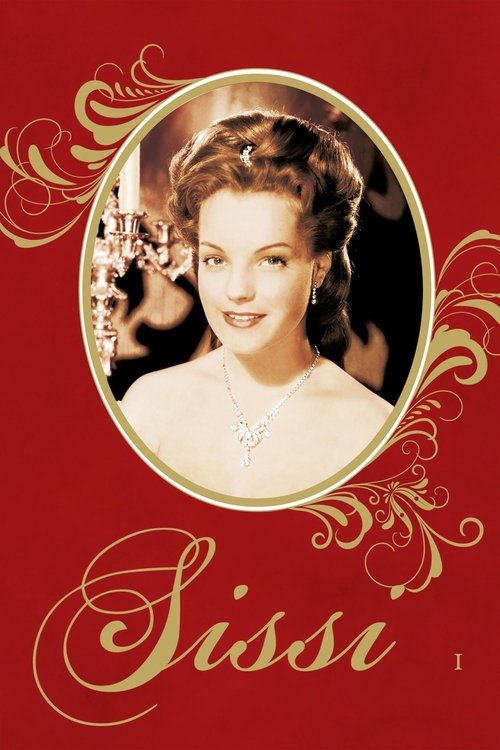
Sissi
1955
No user ratings available yet
Representation score: 0.4 out of 10

Representation Score
Minimal
1956
Director
Ernst Marischka
Runtime
107 minutes
Average Rating
No ratings yetNew Showbiz Analysis
Sissi: The Young Empress is a traditional historical melodrama that prioritizes romanticism and imperial grandeur over social subversion. It functions as a nostalgic celebration of the Austro-Hungarian Empire and its established hierarchies. The film adheres to the social norms of the mid-19th century, offering a homogeneous view of the aristocracy. While the protagonist struggles with personal freedom versus systemic duty, the patriarchal structure remains intact. Ultimately, the work reinforces conventional cultural and gender roles rather than seeking to deconstruct them.
Category Breakdown
The film follows a strictly heterosexual storyline centered on the relationship between Empress Elisabeth and Emperor Franz Joseph I. No characters with non-binary or LGBTQ+ identities are shown.
Sissi displays a spirited personality that contrasts with courtly expectations, but her role is limited by her duties to the empire. The power dynamics highlight a patriarchal monarchy focused on the Emperor and Archduchess Sophie.
The casting is primarily white and European, reflecting the homogeneous social class of the 1850s Austrian aristocracy. There is no effort to include diverse ethnic groups.
The story celebrates traditional Western institutions, including the monarchy and the Catholic Church. It romanticizes the stability and grandeur of the Austro-Hungarian Empire through themes of duty and honor.
The narrative does not feature characters with visible or invisible disabilities as central components of the story.
Present on Screen
Limited or Absent
Official Synopsis
Sissi is now the empress of Austria and attempts to learn etiquette. While she is busy being empress she also has to deal with her difficult new mother-in-law, while the arch-duchess Sophie is trying to tell the emperor how to rule and also Sissi how to be a mother.
1955

1957
1954
1956
1962
1934
1994
1999
No reviews yet. Be the first to share your thoughts on this movie!
Use the rating form above to leave a star rating and optional review.