
A Kid for Two Farthings
1955
No user ratings available yet
Representation score: 0.9 out of 10
Representation Score
Fair
1951
Not RatedDirector
Vittorio De Sica
Runtime
97 minutes
Average Rating
No ratings yetNew Showbiz Analysis
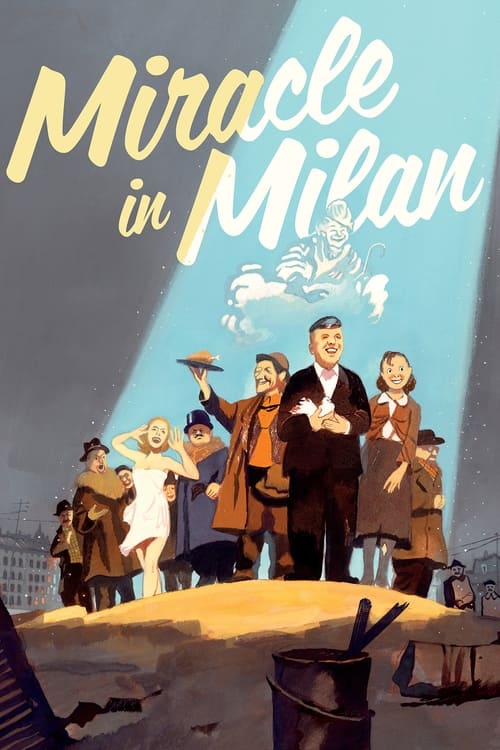
Miracle in Milan stands out for its class-based storytelling, using magical realism to elevate the lives of the displaced. Despite its limited demographic diversity due to its 1951 Italian setting, its thematic depth is notable. The film skillfully critiques institutional corruption and the dehumanizing effects of material wealth. It presents the struggles of the poor as systemic consequences rather than moral failures. However, the film adheres to the gender roles and social hierarchies of its time, and lacks representation of LGBTQ+ individuals or ethnic diversity.
Category Breakdown
The film does not include any LGBTQ+ characters or non-straight identities. The story centers on family and community bonds within the social norms of the early 1950s.
Women are shown in traditional roles within the shanty town community. The narrative does not emphasize female empowerment or challenge established male leadership structures.
The setting features a predominantly Italian population. While it avoids harmful stereotypes, the film does not offer diverse ethnic representation to address broader societal issues.
The film provides a powerful critique of capitalism and Western institutions. It uses magical realism to highlight the subjective realities and communal truths of underrepresented groups.
The film portrays the hardships faced by the impoverished with respect. It avoids turning individual struggles into spectacle, focusing instead on the collective resilience of the community.
Present on Screen
Limited or Absent
Official Synopsis
Once upon a time a wise and kind old woman discovers a baby in her cabbage patch. She brings up the child and, when she dies, the boy, Totò, enters an orphanage. Totò leaves the orphanage a happy young man, and looks for work in post-war Milan. He ends up with the homeless and organizes them to build a shanty town in a vacant lot. But when greedy developers threaten the community’s land, Totò will need all the help he can get in order to find an impossible way out.
1955
1955

1971
1946
1963

1950
1971

1956
No reviews yet. Be the first to share your thoughts on this movie!
Use the rating form above to leave a star rating and optional review.