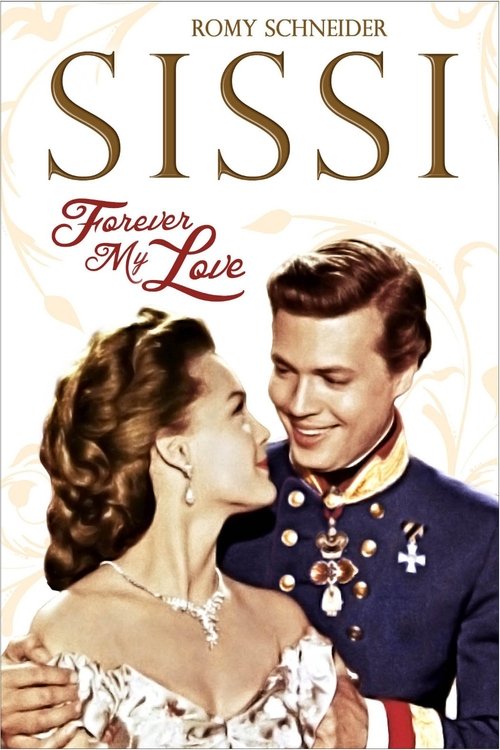
Sissi - Forever My Love
1962
No user ratings available yet
Representation score: 0.9 out of 10

Representation Score
Minimal
1957
Director
Ernst Marischka
Runtime
109 minutes
Average Rating
No ratings yetNew Showbiz Analysis
Sissi: The Fateful Years of an Empress is a quintessential historical melodrama that prioritizes aesthetic escapism and romanticized grandeur. It functions as a preservation of 19th-century European social structures rather than a critique of them. The film's lack of diversity is a byproduct of its commitment to historical realism regarding the Habsburg aristocracy. It presents a world that is culturally and racially homogeneous, reinforcing the power of established Western institutions. While the protagonist fights for personal autonomy, the film does not disrupt the patriarchal or imperial hierarchies that define her world. It remains a traditionalist portrait of imperial life.
Category Breakdown
The film does not include any LGBTQ+ identities or same-sex relationships within the Austrian court setting.
Empress Elisabeth struggles for personal autonomy against a rigid patriarchal hierarchy. While she seeks a significant role in driving the story, the narrative ultimately frames her conflict within a traditional social order.
The cast is overwhelmingly white, reflecting the Eurocentric reality of the 19th-century Habsburg nobility. No characters of color are shown in positions of power or influence.
The story celebrates imperial grandeur and Western institutions like the Church and Monarchy. It leans into historical nostalgia rather than offering secular or alternative perspectives.
Elisabeth’s illness is used primarily as a plot device to shift the setting to Madeira. The film lacks characters with complex neurodivergent or disabled identities.
Present on Screen
Limited or Absent
Official Synopsis
After a wonderful time in Hungary Sissi falls extremely ill and must retreat to a Mediterranean climate to rest. The young empress’ mother takes her from Austria to recover in Madeira.
1962

1956
1955
1934

1955
1969
1928

1934
No reviews yet. Be the first to share your thoughts on this movie!
Use the rating form above to leave a star rating and optional review.