Pink Flamingos
1972
NC-17No user ratings available yet
Representation score: 9.6 out of 10
These lists use approved religious and cultural representation scores for New Hollywood films (1960s-1980s) that have written notes. A higher score means the analysis found more on-screen treatment of religion, culture, or related critique. A lower score means that treatment is thinner or absent. It is not a virtue score and not a warning label.
The film offers a profound critique of Western institutional morality and the nuclear family. It frames anti-social behavior as a form of liberation against oppressive, judgmental social orders.
The narrative portrays traditional Western values and family life as restrictive. Instead, it celebrates a community of outcasts as a liberated alternative.
It offers a critical look at Western imperialist institutions, avoiding a singular Western moral perspective and instead examining the cyclical violence caused by systemic inequality.
The film critiques Western industrialism and capitalism, focusing on environmental ethics over traditional Western values and the idea of progress.
The film portrays a rejection of societal structures as a form of personal liberation, emphasizing moral relativism and freedom from legal and religious constraints.
The film critiques Western institutions and the nuclear family. It shows government and religious frameworks as ineffective during systemic collapse.
The work provides a strong critique of Western influence and capitalist systems. It portrays the dismantling of corrupt, American-backed institutions as a moral and revolutionary necessity.
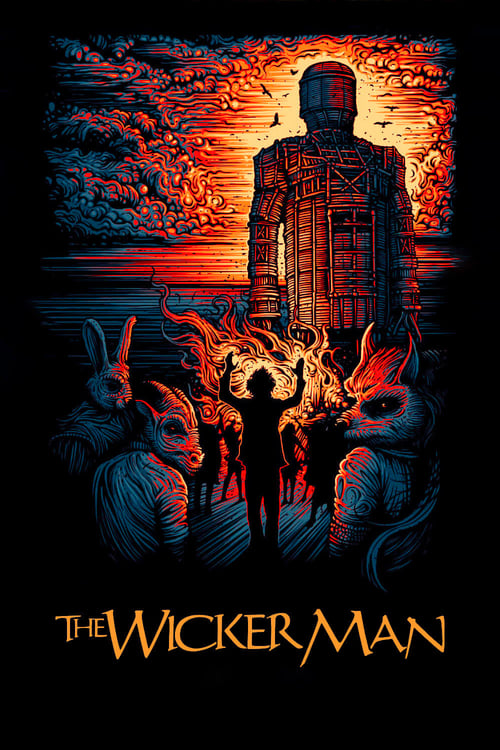
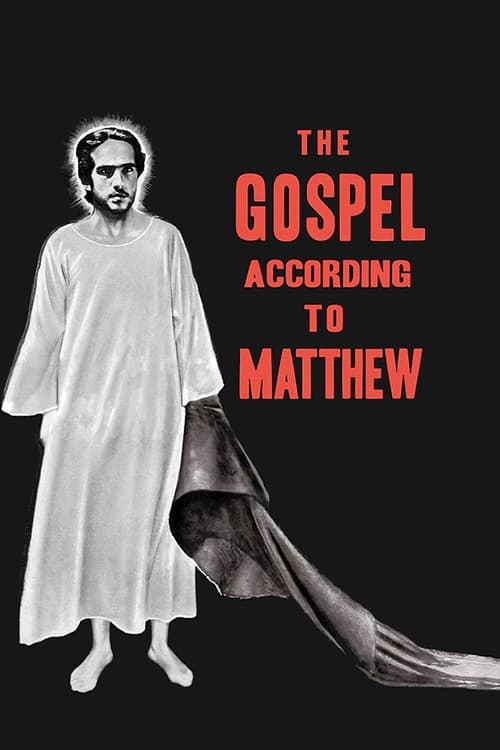
The film offers a profound critique of Western religious hegemony. It pits Christian dogma against communal pagan ethics, framing the islanders' actions as a logical response to their spiritual needs.
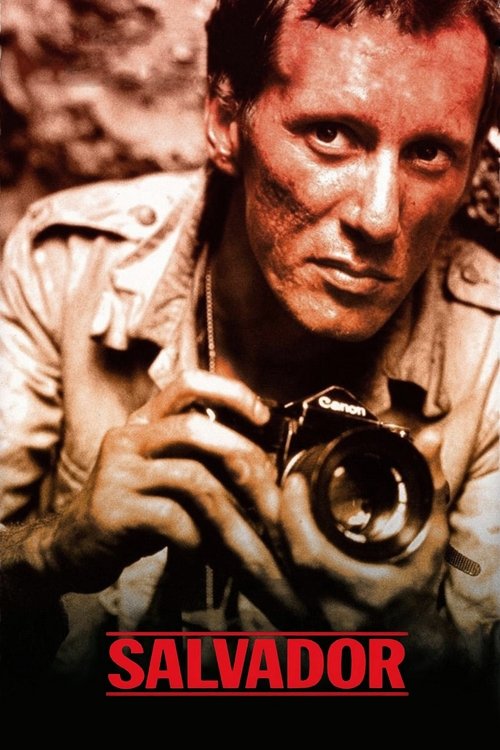
This is a powerful critique of Western interventionism and capitalist foreign policy. It exposes state apparatuses as tools of oppression, challenging the myth of Western benevolence.
The narrative criticizes Western hegemony and capitalist motivations. It portrays state-aligned religious and military institutions as complicit in systemic oppression.
This is a core strength, providing a profound critique of capitalism. The film replaces binary moralities with a tension between the sacred and the profane to challenge Western modernity.
The film critiques Western institutions, depicting religious and capitalist structures as hypocritical. It portrays social dysfunction as a form of liberation from rigid, oppressive societal constraints.
Using a Marxist lens, the film critiques capitalist systems. It highlights the breakdown of societal norms and the vulnerability of the upper class.
The film offers a profound critique of Western institutions, consumerism, and social order. It uses societal collapse as a metaphor for the decay of capitalist civilization.
The film critiques Western institutions and predatory capitalism through a post-colonial lens, presenting space colonization as a form of systemic violence.
The film excels at deconstructing grand religious and imperial narratives. It uses absurdity to critique organized institutions, dogmatic errors, and the chaos of political factions.
This is a core strength, offering a sophisticated critique of capitalist structures. It exposes predatory consumer culture and the corruption of Western institutions like media and government.
The narrative presents the slave revolt as a moral necessity against a corrupt and predatory socio-economic hierarchy, functioning as an anti-imperialist critique of the Roman Senate.
The film critiques Western capitalist structures by portraying media and corporate conglomerates as predatory forces that prioritize profit over truth.
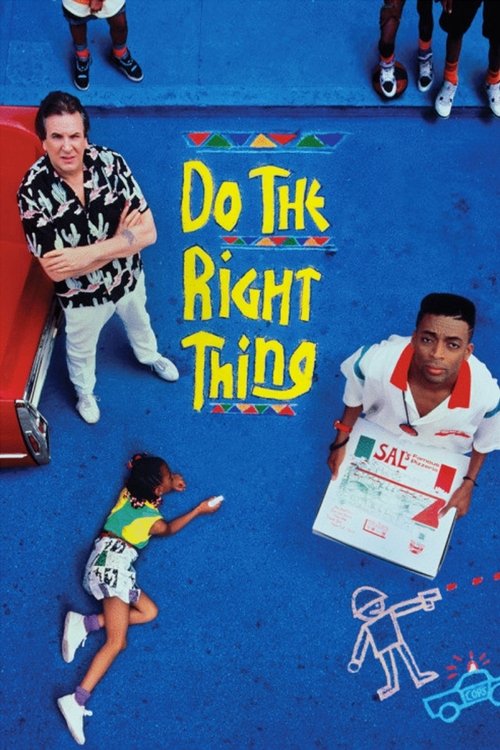
The film critically examines racial capitalism and the conflicts between immigrant-owned businesses and the community. It avoids simplistic hero-villain narratives to explore systemic inequities and social unrest.
The film critically examines feudal Japanese structures, deconstructing the samurai code to show how ritualistic traditions serve as tools of systemic oppression.
The narrative is deeply rooted in anti-colonial and anti-imperialist critiques. It portrays the Draag hegemony as an oppressive authority that must be dismantled to achieve autonomy.
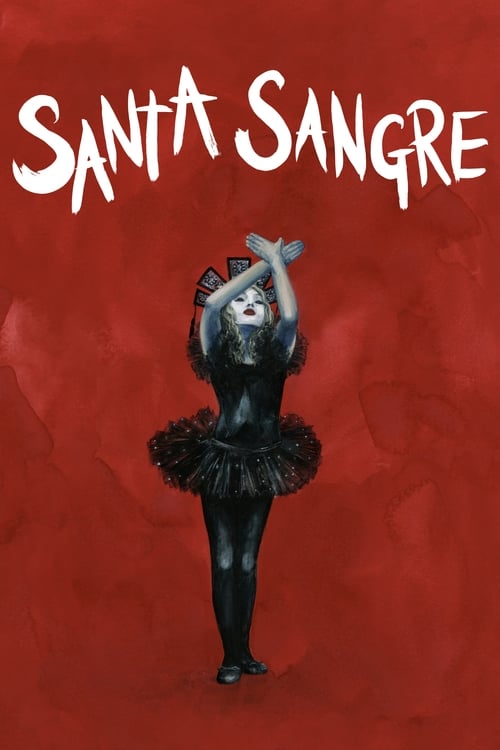
The narrative provides a deep critique of organized religion, capitalism, and the state. It uses sacrilegious imagery to deconstruct traditional authority and the illusions of consumerism.
The film critiques the police and judiciary as corrupt tools of the ruling class, challenging the notion of these institutions as moral bastions.
The narrative provides a profound critique of Western interventionism. It portrays the destruction of Buddhism and the forced dissolution of the family unit as systemic atrocities.
The film serves as a critique of Western institutions like the military and the nuclear family. It embraces a non-conformist lifestyle as a valid ethical alternative to mainstream standards.
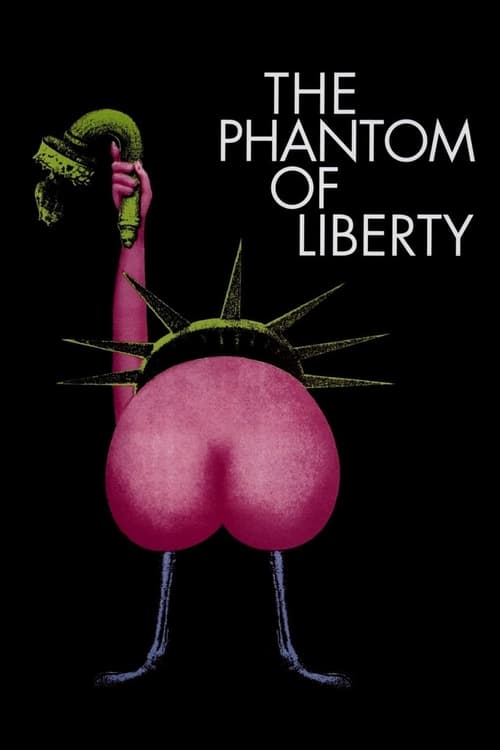
The film critiques Western institutions and capitalist structures through surrealism. Religious figures are portrayed through absurdity rather than spiritual authority.
The story provides a deep critique of Western institutions and the concept of American exceptionalism. It portrays the 'civilized' expansion as more irrational and barbaric compared to the societies it displaces.
The film rigorously critiques Western capitalism and gluttony. It portrays the breakdown of traditional social order as a reaction to a corrupt system.
The film excels in critiquing capitalism and the landed aristocracy. It highlights the struggles of sharecroppers and the rise of Fascism as systemic disruptions of class equity.
The film offers a strong critique of the Catholic Church and the landed aristocracy. It portrays religious devotion as ineffective and depicts the traditional family unit as a place of harmful behavior.
The film criticizes religious extremism by showing it as a source of violence and madness. It portrays dogma as an oppressive force rather than a moral guide.
The film criticizes Western social institutions and the 'Economic Miracle,' portraying community structures and consumerism as tools that enforce social exclusion and cruelty.
The film provides a critical look at Western institutions like capitalism and organized religion. It portrays the bourgeois lifestyle as spiritually empty and the divine as a disruptive, non-moral force.
The film critiques established power structures by portraying religious and political institutions as oppressive. It emphasizes the sacredness of the poor to challenge worldly status.
The narrative critiques Western institutions and authority, emphasizing moral relativism and rebellion against societal norms. It frames social rebellion as a form of liberation from oppressive structures.
1971
The film provides a critical look at Western capitalism and industrial dehumanization. It portrays factories and the state as exploitative institutions using a Marxist perspective.
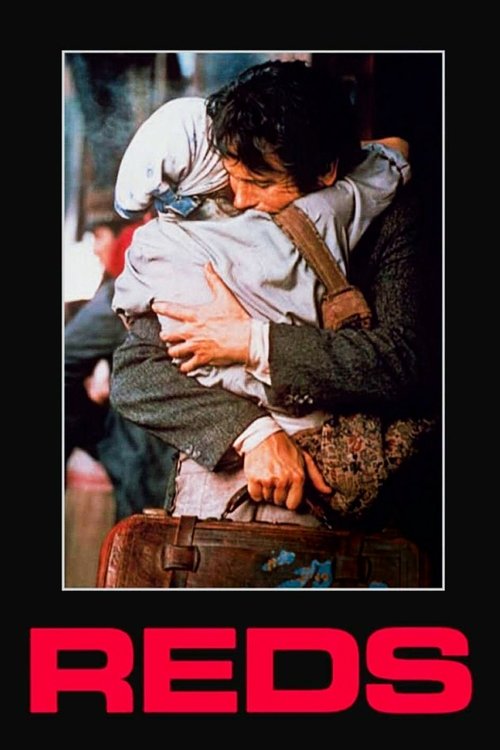
The narrative offers a critical look at Western institutions and capitalism. It presents the Bolshevik Revolution through a sympathetic lens, emphasizing social justice.
The film sharply criticizes religious dogma and clergy as oppressive tools. It portrays the protagonist's descent into witchcraft as a reaction to institutional cruelty.
The narrative critiques Western institutions and capitalism. It portrays Mona's nomadic lifestyle as a radical response to consumerist cycles.
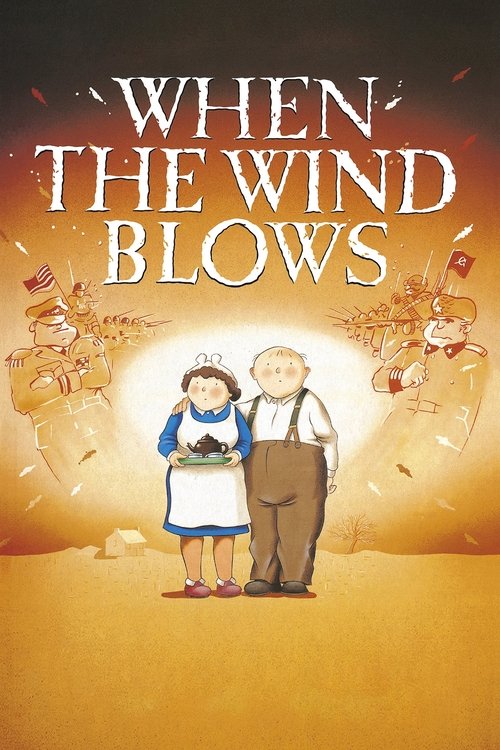
The film offers a sharp critique of institutional reliability. It deconstructs state authority by contrasting romanticized wartime memories with the grim reality of nuclear warfare.
The film emphasizes emotional authenticity and personal truth over established societal norms. It leverages the spirit of the Madrid movement to question conventional values.
The film provides a strong critique of Western capitalism and corporate ethics. It portrays large-scale industrial institutions as predatory and disconnected from social responsibility.
The film critiques capitalism and corrupt bureaucracy through absurdity and satire, challenging established power structures and authority.
The film critiques traditional institutions like the nuclear family and religious morality. It frames survivalist behavior as a necessary response to systemic economic neglect and capitalist failures.
The narrative offers a profound critique of state institutions and the nuclear family. It frames crime as an inevitable outcome of systemic deprivation and socioeconomic hierarchy.
The narrative provides a sophisticated critique of Western institutional power through the predatory 'Company. ' It also delves into post-colonial themes concerning imperialist curiosity and biological violation.
The story critiques unregulated capitalism and corporate dominance. It highlights the conflict between the created and the creator to challenge established social orders.
1975
RThe narrative critiques Western institutions by depicting medical and bureaucratic systems as oppressive mechanisms of social control. It portrays these systems as dehumanizing rather than supportive.
The film rejects a strict Christian moral code in favor of situational ethics and moral relativism. Traditional institutions like the military and the state are shown as indifferent or corrupt, serving as backdrops for greed.
The narrative celebrates Western institutions and American exceptionalism, reinforcing patriotism and the effectiveness of Western military superiority without offering any social critique.
The story is grounded in Cold War Western ideals, presenting a clash between American individualism and Soviet collective efficiency. It frames the struggle as a battle between human emotion and mechanical efficiency.
The storyline is deeply rooted in Catholic theology and religious authority. It employs a clear-cut moral conflict between good and evil.
The story presents a world of absolute morality, framing conflict as a cosmic struggle between Light and Darkness. It lacks systemic critique or cultural deconstruction.
The film celebrates military traditions and patriotism. It portrays the Marine Corps as a crucial institution that needs protection from bureaucratic inefficiencies.
The story upholds a singular moral viewpoint that supports the stability of Western institutions. It reinforces the existing social order through its close ties with law enforcement.
The story upholds Western democratic ideals and traditional patriotism. It celebrates the idea of citizens as soldiers and reinforces national sovereignty.
This is a staunchly pro-Western narrative that upholds military institutions as pillars of stability. The moral framework presents a binary struggle between order and chaos.
The film is deeply rooted in traditional Christian beliefs about the end times. It frames conflicts through a lens of absolute spiritual truth rather than moral relativism.
The story emphasizes traditional Western values like sportsmanship and perseverance. It celebrates a meritocratic underdog cliché within a stable social order.
The film promotes traditional Western values and patriotism, contrasting them with communist ideologies. It portrays vigilantism as heroic without questioning the systemic authority behind it.
The film reinforces Western military and patriotic ideals, presenting a clear moral divide favoring state-sanctioned military actions.
The story emphasizes Western expansion, capitalism, and formal legal systems. It views the transition from wilderness to civilization as inherently positive through patriotism and organized religion.
The narrative aligns with reactionary values, promoting individualistic, paramilitary justice over state institutions. It upholds a rigid moral code where extreme violence is seen as necessary.
The film highlights Western values such as patriotism and military authority. It presents the conflict as a straightforward fight for national survival without questioning moral absolutes.
The narrative operates within a framework of Western military values and patriotism. It avoids moral relativism, focusing on individual heroism within established military structures.
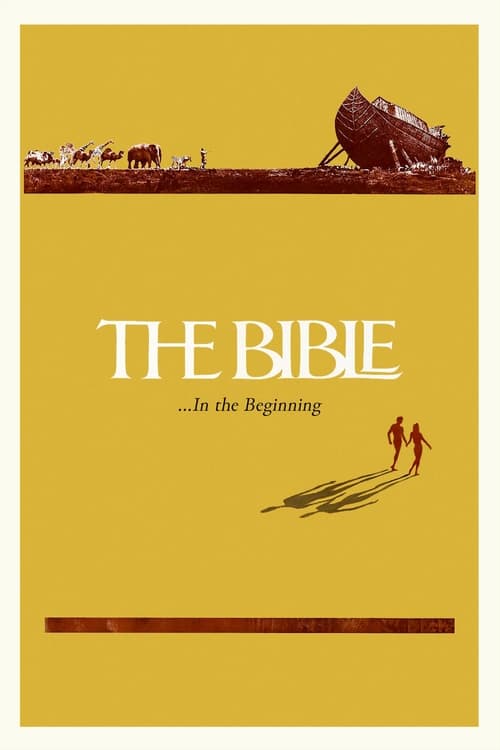
1966
NRThe film centers divine authority and religious law. It promotes a singular moral framework validating the social structures of the biblical era.
The story reinforces Western traditional values through a clear moral binary. Religious iconography is used as a tool to maintain order against supernatural chaos, favoring moral absolutism over complexity.
The film satirizes consumerism and superficiality but ultimately upholds traditional moral values, presenting the protagonists' failures as a cautionary tale against dishonesty. It focuses on individual greed rather than systemic issues or traditional institutions.
The narrative emphasizes the 'Law of the Jungle' as a strict social order. It promotes traditionalist views of social cohesion without providing nuanced cultural representation.
The story reinforces Western institutional interests and the legitimacy of MI6. It portrays the Soviet threat as destabilizing, celebrating the Western agent as a defender of the status quo.
The story centers on maintaining Western institutions and celebrates state-sanctioned intelligence agencies without critically examining Western cultural values.
The narrative celebrates high-capitalist aesthetics and Western institutions. It portrays the protagonist as a sanctioned agent of the state without questioning Western dominance or religious structures.
The narrative emphasizes Western institutional authority and state-sanctioned intelligence. It portrays Western agencies as the main arbiters of justice and stability.
The film relies on traditional master/student relationships and a simple good-versus-evil moral framework. It avoids criticizing Western institutions, focusing instead on personal vengeance and discipline.
The story emphasizes traditional Western values such as patriotism and community solidarity, celebrating the underdog spirit.
The film operates within a traditional Western framework emphasizing the rule of law. It upholds state institutions without questioning the underlying social structures.
The film highlights Western explorer archetypes and the pursuit of wealth. It does not critically address the implications of Western expansionism or the systemic issues of colonial motivations.
The story emphasizes traditional Western values and individual heroism. It contrasts lawful order with criminal disruption without questioning systemic issues.
The story promotes Western consumerism and social climbing. It upholds traditional social norms and institutions like etiquette and status without questioning them.
The plot adheres to traditional Western religious beliefs and biblical themes. It emphasizes a clear division between good and evil without questioning religious institutions or exploring secular viewpoints.
The film defends Western sovereignty and national identity explicitly. It portrays a binary conflict between the American resistance and a foreign force, without any anti-Western critiques.
The story upholds traditional values, emphasizing respect for parental authority and social order. It promotes survivalism from a strictly Western perspective.
The story emphasizes traditional Western institutions and Christian morality, focusing on the protagonist's integration into the landed aristocracy.

1988
RThe story follows a Western moral framework through an anti-communist lens. It emphasizes singular morality centered on Western military heroism and family protection.
The story celebrates traditional Western seasonal institutions. It reinforces a binary moral framework centered on preserving Christmas traditions and family values.
The story upholds traditional Western values such as land ownership and the self-made man. It reinforces mid-century social ideals regarding domestic stability and the frontier spirit.
The story promotes a singular dichotomy of good versus evil centered on generosity. It reinforces traditional social roles and seasonal celebrations rather than critiquing modern institutions.
The setting lacks organized religion or codified laws, instead emphasizing animalistic instincts. Social structures favor physical dominance over collaborative development.
The story emphasizes the divine right of kings and Western traditions. It celebrates national identity and the preservation of state order through religious mandate.
The story emphasizes traditional Western values like discipline, hard work, and patriarchal stewardship. It frames the struggle for survival as a foundational moral journey without critiquing expansionism.
The narrative emphasizes traditional Western values and individual moral codes, reinforcing patriarchal and frontier social structures.
The story celebrates conventional Western social structures and traditional courtship within established capitalist and social institutions, without critiquing these systems.
The supernatural elements create fear rather than critiquing religious institutions. The story focuses on survival and the breakdown of social norms.
The story upholds a traditional moral framework emphasizing destiny and discipline. It highlights respect for authority and a singular path to leadership.
The story emphasizes Western institutional stability and state authority. It lacks critiques of capitalism, portraying disruptions to global markets as a criminal threat to be suppressed.
The narrative upholds the stability of the nuclear family and Western progress without critiquing traditional institutions or presenting anti-Western sentiments.
The narrative frames MI6's mission as a moral duty, reinforcing Western institutional values without critiquing the impact of Western imperialism or religious structures.
The narrative focuses on preserving Western institutional authority through Bond's role in MI6. It lacks a critical perspective, presenting morality through a binary lens of state heroism versus criminal greed.
The story follows a traditional moral dichotomy of victim versus aggressor. It lacks systemic critiques of Western institutions or any engagement with moral relativism.