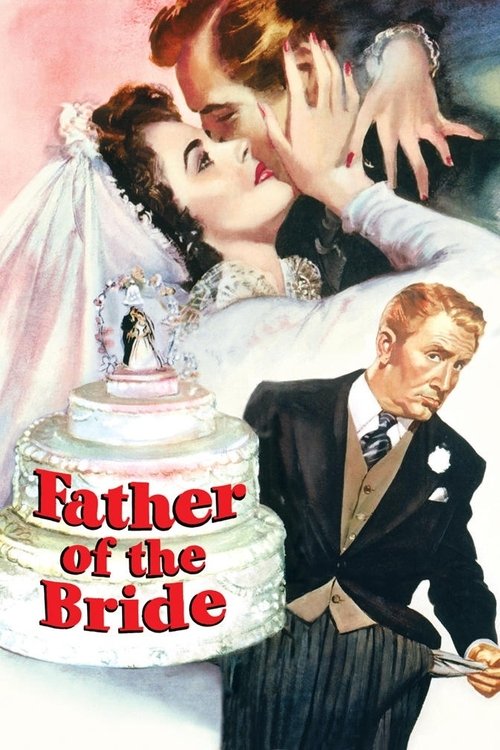
Father of the Bride
1950
No user ratings available yet
Representation score: 0.3 out of 10
Representation Score
Minimal
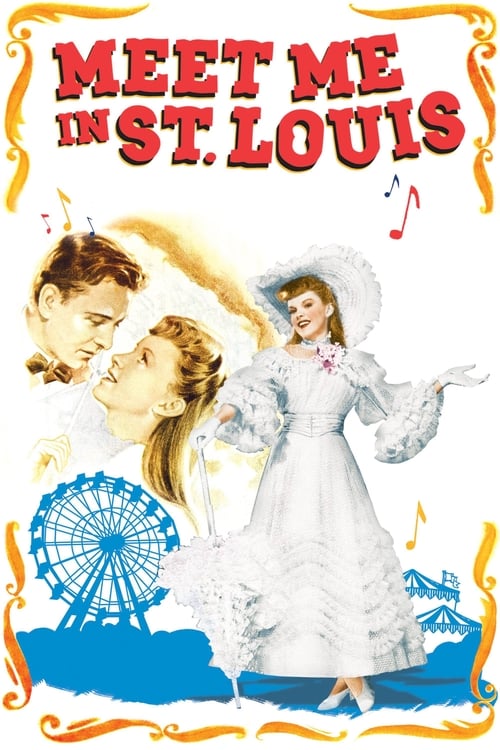
1944
GDirector
Vincente Minnelli
Runtime
114 minutes
Average Rating
No ratings yetNew Showbiz Analysis
Meet Me in St. Louis is a classic film that emphasizes aesthetic beauty and nostalgia, reinforcing traditional Western cultural norms. It focuses on preserving the social and family structures of the early 20th century. The film highlights a strong emotional core driven by women, but this occurs within a strict patriarchal system. It lacks depth in representing various aspects of identity and social dynamics. By concentrating on a homogeneous, middle-class white experience, the film avoids addressing the broader social and institutional forces that shaped life during that time.
Category Breakdown
The film does not include any characters with non-binary gender identities or same-sex relationships. It operates within a framework that assumes everyone is straight and cisgender.
Women play important roles in driving the emotional storyline, but the film upholds traditional gender roles from the early 20th century.
The story centers around a white, middle-class family, with very little racial or ethnic diversity among the cast.
The film portrays a nostalgic view of the American Midwest, highlighting traditional Western institutions such as the nuclear family and Christian values.
There are no prominent depictions of visible or invisible disabilities. Characters are portrayed within the standard physical and neurotypical archetypes of the period.
Present on Screen
Limited or Absent
Official Synopsis
A year in the life of a turn-of-the-century middle class family, leading up to the opening of the 1904 St. Louis World's Fair.
1950
1958
1965
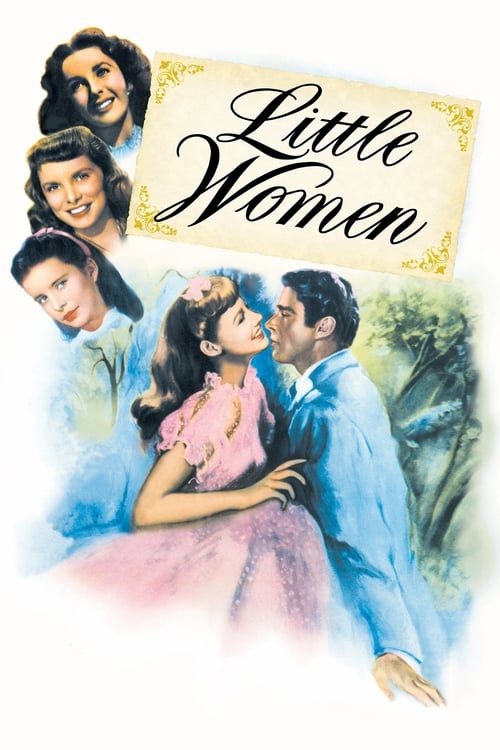
1949
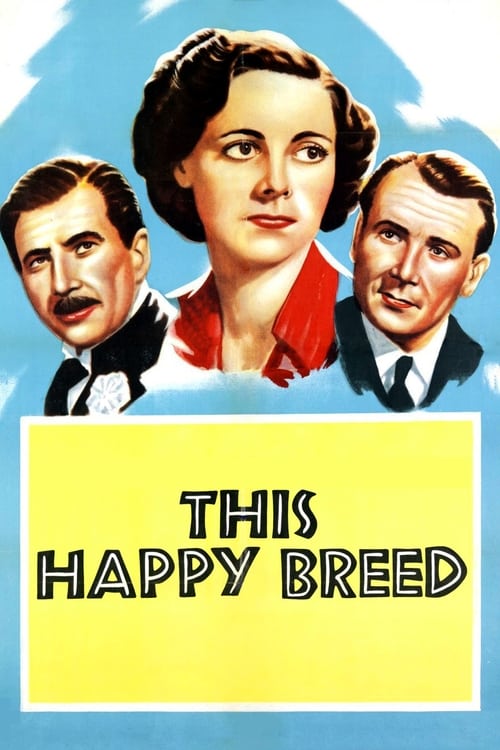
1944
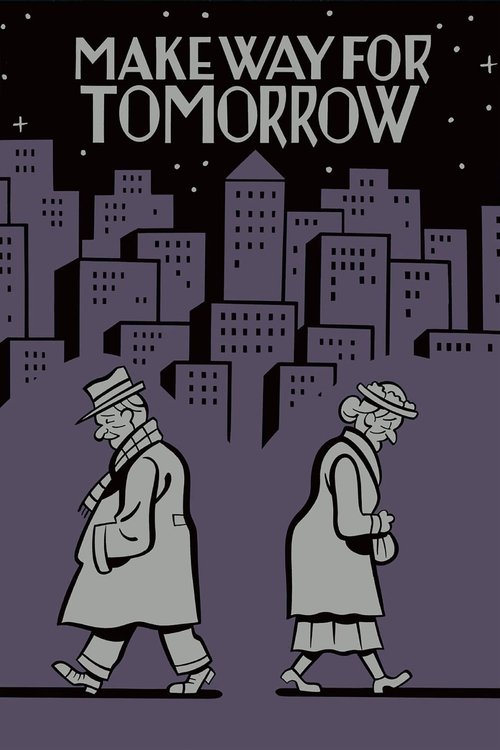
1937
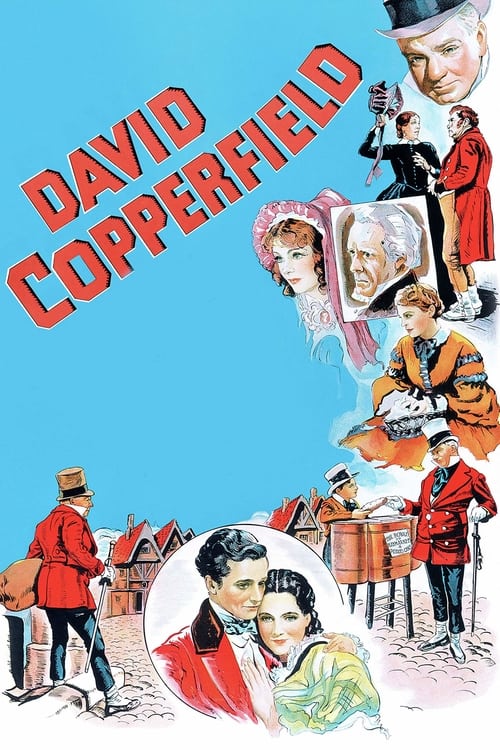
1935

1954
No reviews yet. Be the first to share your thoughts on this movie!
Use the rating form above to leave a star rating and optional review.