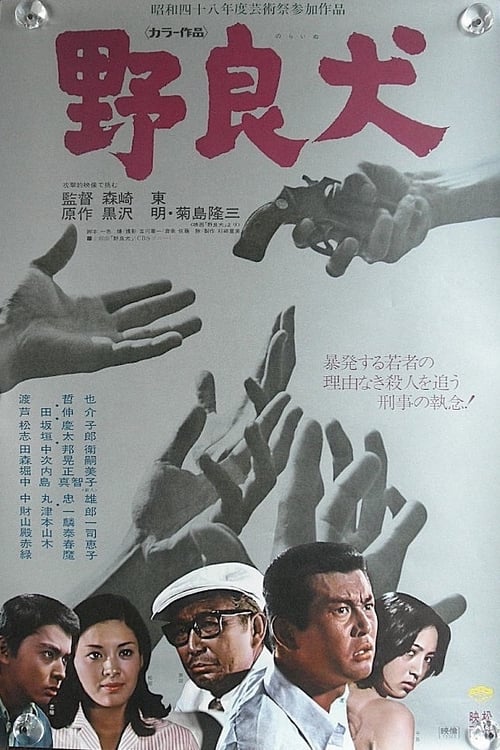
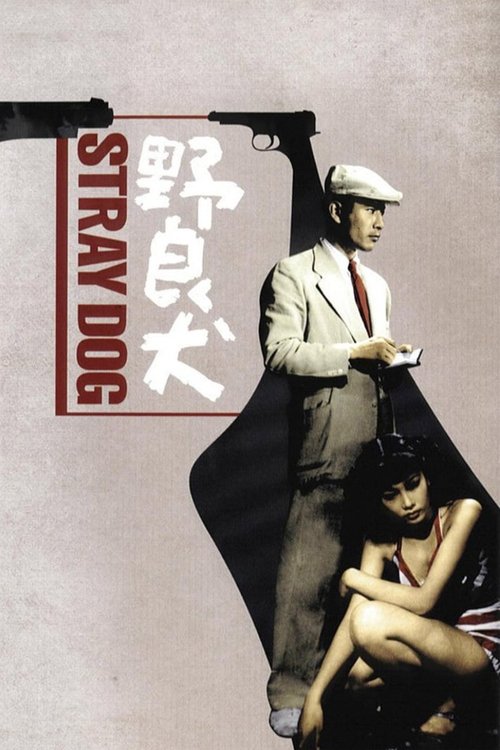
Stray Dog
1973
No user ratings available yet
Representation score: 3.7 out of 10
Representation Score
Fair
1949
Not RatedDirector
Akira Kurosawa
Runtime
122 minutes
Average Rating
No ratings yetNew Showbiz Analysis
Stray Dog is a sociological study of post-war reconstruction that uses a crime procedural to explore how socioeconomic instability affects individuals. While the demographic diversity is limited by its historical context, the film's narrative structure challenges traditional authority and highlights systemic issues. The film's strength lies in its nuanced portrayal of the 'underclass' as victims of circumstances, and its deep engagement with the social complexities of the Allied occupation.
Category Breakdown
The film does not include any LGBTQ+ characters or narratives. It focuses on masculine tension between law enforcement and criminals.
The story revolves around a male-dominated hierarchy and the protagonist's personal growth. Women appear in supporting roles that reflect the social norms of the time.
The cast reflects the homogeneous demographics of post-WWII Japan. However, the film explores the nation's struggle with the complexities of the Allied occupation.
Kurosawa critiques traditional institutions by portraying crime as a result of poverty. The film avoids simplistic moral binaries to highlight systemic issues.
No specific disabilities are central to the characters. Instead, the film portrays the psychological stress of extreme poverty as a widespread societal issue.
Present on Screen
Limited or Absent
Official Synopsis
A bad day gets worse for young detective Murakami when a pickpocket steals his gun on a hot, crowded bus. Desperate to right the wrong, he goes undercover, scavenging Tokyo’s sweltering streets for the stray dog whose desperation has led him to a life of crime. With each step, cop and criminal’s lives become more intertwined and the investigation becomes an examination of Murakami’s own dark side.
1973
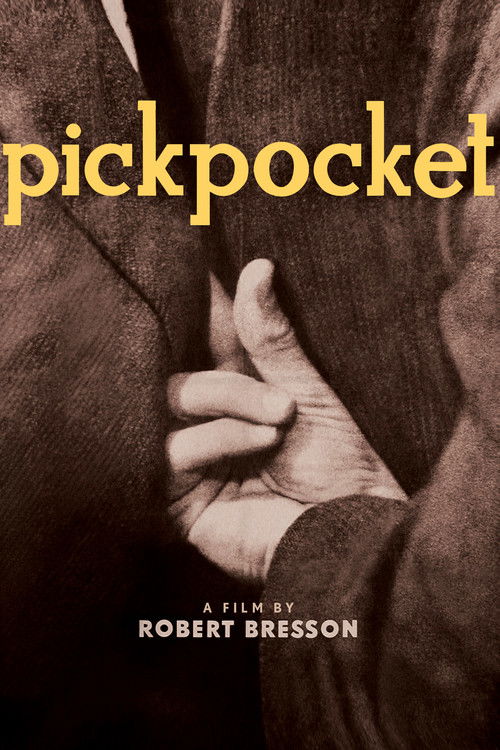
1959

1951
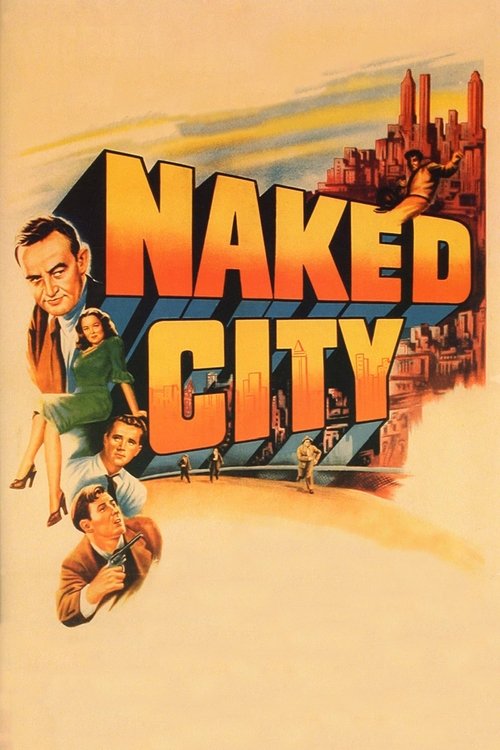
1948

1931
1958

1948
1949
No reviews yet. Be the first to share your thoughts on this movie!
Use the rating form above to leave a star rating and optional review.