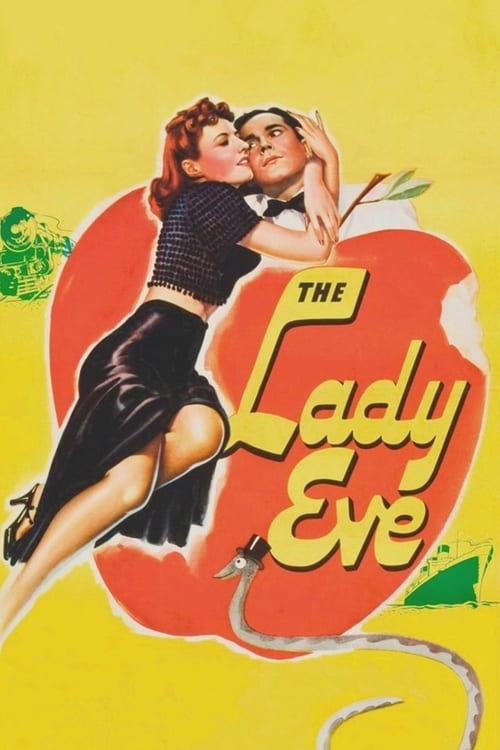
The Lady Eve
1941
No user ratings available yet
Representation score: 2.8 out of 10
Representation Score
Fair
1941
NRDirector
Preston Sturges
Runtime
91 minutes
Average Rating
No ratings yetNew Showbiz Analysis
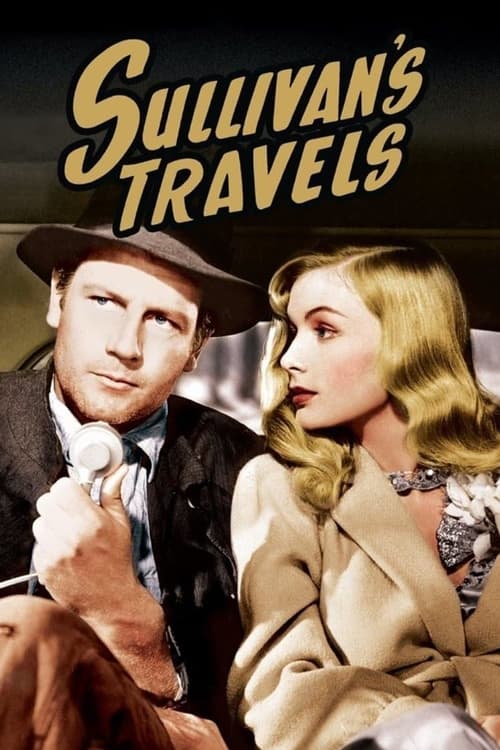
Sullivan's Travels is a satirical film that prioritizes social critique over demographic diversity. While the casting reflects the era's limitations, the film's intellectual depth lies in its deconstruction of the Hollywood dream factory. The narrative highlights the tension between social classes and the dignity of the working class. It uses the protagonist's journey to expose the shortcomings of social safety nets and the superficiality of capitalist entertainment. However, the film remains confined by the standards of 1941, particularly in terms of gender roles and the lack of diverse representation.
Category Breakdown
The film does not include any LGBTQ+ characters or non-straight relationships. Romantic elements focus solely on traditional courtship between the male protagonist and his female companion.
The narrative focuses on the male protagonist's existential journey, while the female lead provides support. However, the film adheres to the gender roles typical of the 1940s.
The cast is predominantly white, reflecting the cinematic norms of the time. The story emphasizes socioeconomic differences rather than diverse ethnic backgrounds.
The film critiques Western institutional artifice, contrasting Hollywood's polished illusions with the harsh realities faced by the disenfranchised and impoverished.
Sullivan’s memory loss and physical struggles serve mainly as plot devices. These elements advance his character development rather than offering meaningful ability to act to characters with disabilities.
Present on Screen
Limited or Absent
Official Synopsis
Successful movie director John L. Sullivan, convinced he won't be able to film his ambitious masterpiece until he has suffered, dons a hobo disguise and sets off on a journey, aiming to "know trouble" first-hand. When all he finds is a train ride back to Hollywood and a beautiful blonde companion, he redoubles his efforts, managing to land himself in more trouble than he bargained for when he loses his memory and ends up a prisoner on a chain gang.
1941

1924
1934
1942
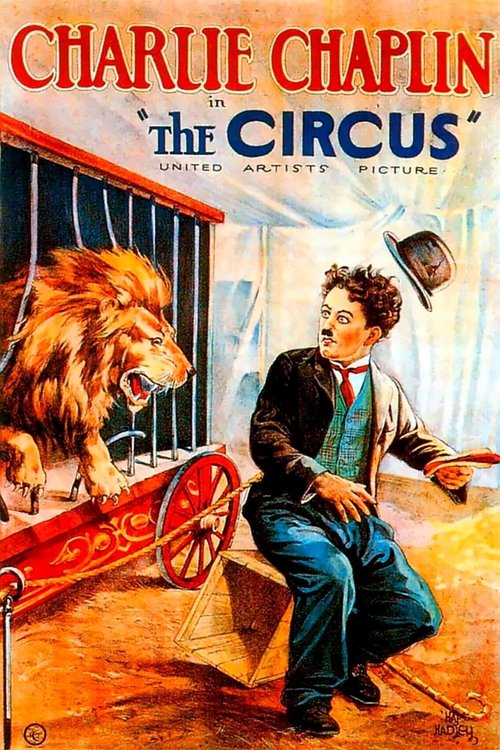
1928
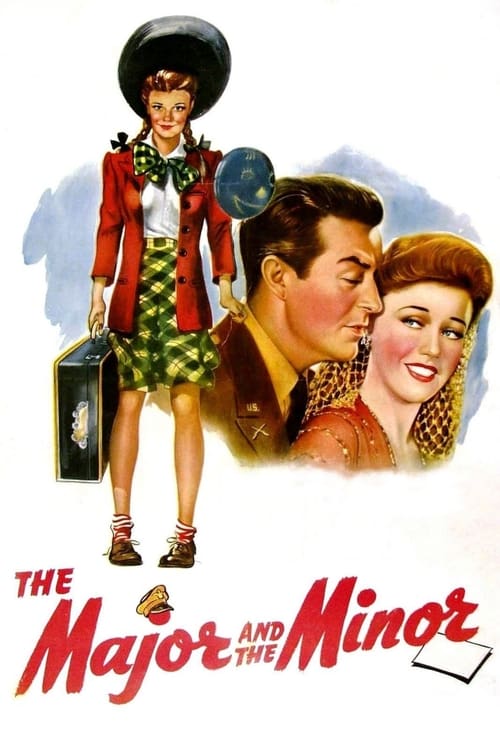
1942
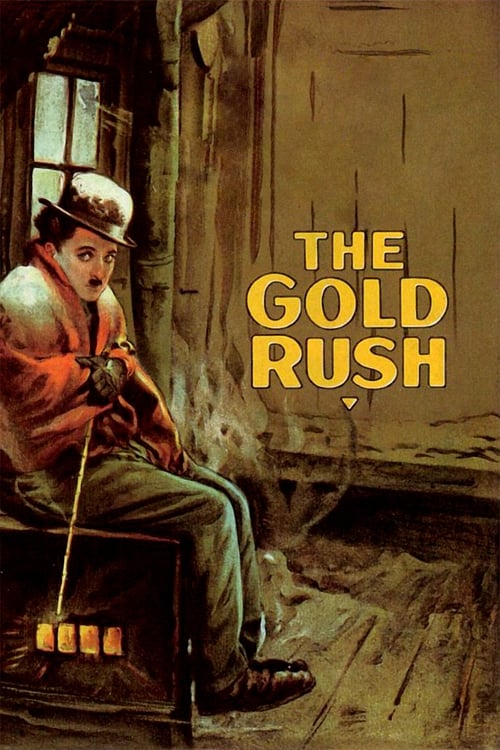
1925
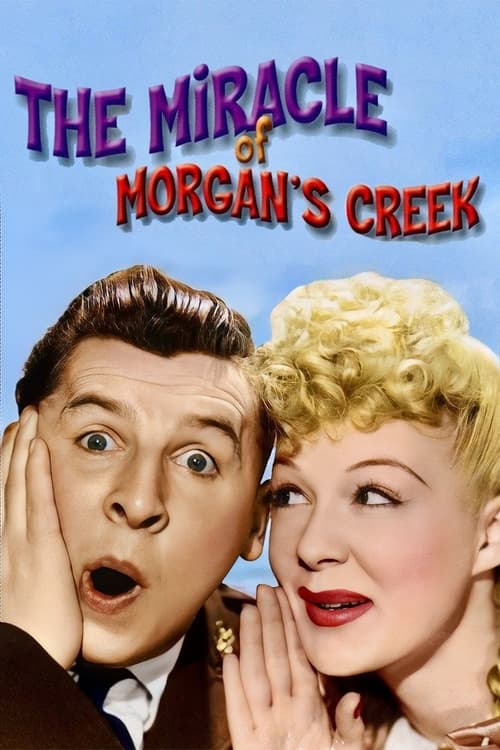
1944
No reviews yet. Be the first to share your thoughts on this movie!
Use the rating form above to leave a star rating and optional review.