
Charade
1963
No user ratings available yet
Representation score: 1.6 out of 10
Representation Score
Minimal
1955
PGDirector
Alfred Hitchcock
Runtime
106 minutes
Average Rating
No ratings yetNew Showbiz Analysis
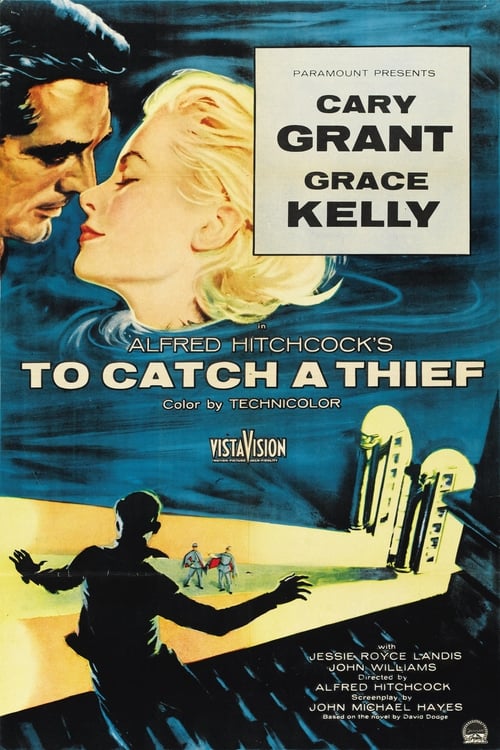
To Catch a Thief is a quintessential product of its era, emphasizing visual escapism over social commentary. While it presents a sophisticated female lead with notable independence, it remains rooted in a homogeneous and traditional framework. The film celebrates elite Western lifestyles, lacking any meaningful critique of class or social institutions.
Category Breakdown
The film follows traditional heterosexual norms, with no representations of LGBTQ+ identities or same-sex relationships.
Frances Stevens is portrayed as independent and witty, defying typical damsel-in-distress clichés. However, the story concludes with a conventional romantic resolution.
The cast is predominantly white and upper-class, with no non-white characters playing significant roles.
The narrative glorifies high-capitalist luxury and Western social prestige, reinforcing the status quo without critique.
There are no visible or invisible disabilities depicted, nor are any characters used as plot devices related to physical or mental health issues.
Present on Screen
Limited or Absent
Official Synopsis
When a string of jewel robberies hits the French Riviera, suspicion falls on retired thief John “The Cat” Robie. To clear his name, he sets out to trap the copycat himself—entangling a wealthy widow and her beguiling daughter in a seductive game of pursuit, deception, and desire.
1963
1947

1972

1966

1964

1935

1975

1952
No reviews yet. Be the first to share your thoughts on this movie!
Use the rating form above to leave a star rating and optional review.