
Bicycle Thieves
1948
No user ratings available yet
Representation score: 4.7 out of 10
Representation Score
Fair
1952
Not RatedDirector
Vittorio De Sica
Runtime
91 minutes
Average Rating
No ratings yetNew Showbiz Analysis
Vittorio De Sica employs his Neorealist background to offer a sharp critique of systemic issues. By focusing on the underrepresented, the film dismantles traditional social hierarchies and the myth of a stable family unit. The narrative emphasizes the struggle of individuals against oppressive economic systems. It frames survival tactics, such as feigning illness, as necessary responses to institutional cruelty rather than moral failures. Though the film lacks racial and LGBTQ+ diversity, it excels in its deliberate social realism. It contrasts middle-class prosperity with a raw, unfiltered depiction of the working class and the elderly.
Category Breakdown
The film does not include any LGBTQ+ characters or explore non-straight relationships. It focuses solely on the socioeconomic and domestic challenges faced by the main character.
The film challenges traditional gender roles by emphasizing the vulnerability of the domestic sphere. It highlights the strength of the child and the maid by portraying the patriarchal structure as ineffective in providing safety.
Set in post-WWII Rome, the film reflects the era's limited racial diversity. While it avoids idealizing middle-class life, it focuses on the harsh realities of the working class.
The story provides a powerful critique of capitalist structures and institutional apathy. It presents the struggle of individuals against exploitative economic systems as a central, dignified narrative element.
The film examines the hidden disability of age-related frailty and poverty. It handles the protagonist's decline with dignity, avoiding clichés by depicting the unglamorous reality of elderly vulnerability.
Present on Screen
Limited or Absent
Official Synopsis
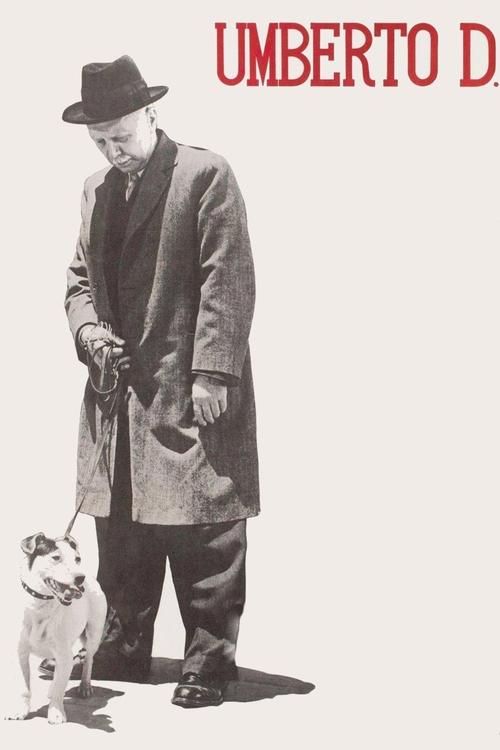
When elderly pensioner Umberto Domenico Ferrari returns to his boarding house from a protest calling for a hike in old-age pensions, his landlady demands her 15,000-lire rent by the end of the month or he and his small dog will be turned out onto the street. Unable to get the money in time, Umberto fakes illness to get sent to a hospital, giving his beloved dog to the landlady's pregnant and abandoned maid for temporary safekeeping.
1948
1946

1959
1970

1956

1945
1935

1939
No reviews yet. Be the first to share your thoughts on this movie!
Use the rating form above to leave a star rating and optional review.