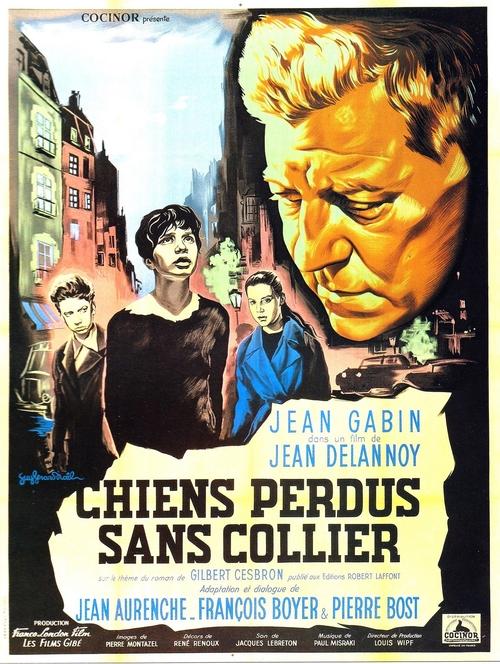
The Little Rebels
1955
No user ratings available yet
Representation score: 1.2 out of 10

Representation Score
Good
1959
NRDirector
François Truffaut
Runtime
99 minutes
Average Rating
No ratings yetNew Showbiz Analysis
The 400 Blows is a landmark of psychological realism that challenges traditional authority structures. By framing the protagonist's rebellion as a response to neglect, the film questions the sanctity of traditional family and state institutions. However, the film is limited by the demographic homogeneity of 1950s France. It lacks explicit representation of race, ethnicity, and LGBTQ+ identities, resulting in lower scores in those categories. Ultimately, the film's progressive value lies in its cultural critique. It emphasizes individual ability to act and situational ethics over the preservation of social order or religious morality.
Category Breakdown
The film does not explicitly include LGBTQ+ identities or relationships that challenge traditional heterosexual norms. The narrative centers on the protagonist's struggle for independence within a conventional social structure. It avoids negative stereotypes and maintains a neutral stance.
The film challenges traditional gender roles by depicting the nuclear family as dysfunctional. The mother plays a significant role through her romantic life, while male authority figures are shown as ineffective, rigid, or emotionally distant.
Set in mid-century Paris, the film reflects the demographic homogeneity of its time. The cast is predominantly white, and the narrative does not engage with issues of race or ethnicity.
The story criticizes Western institutions such as schools and the legal system as oppressive. It portrays the protagonist's rebellion as a survival tactic against repressive structures rather than inherent criminality.
The film does not focus on physical or cognitive disabilities. Instead, it explores psychological isolation and the emotional struggle of feeling disconnected from an indifferent society.
Present on Screen
Limited or Absent
Official Synopsis
For young Parisian boy Antoine Doinel, life is one difficult situation after another. Surrounded by inconsiderate adults, including his neglectful parents, Antoine spends his days with his best friend, Rene, trying to plan for a better life. When one of their schemes goes awry, Antoine ends up in trouble with the law, leading to even more conflicts with unsympathetic authority figures.
1955
1967

1988

1945
1964
1970

1963

1961
No reviews yet. Be the first to share your thoughts on this movie!
Use the rating form above to leave a star rating and optional review.