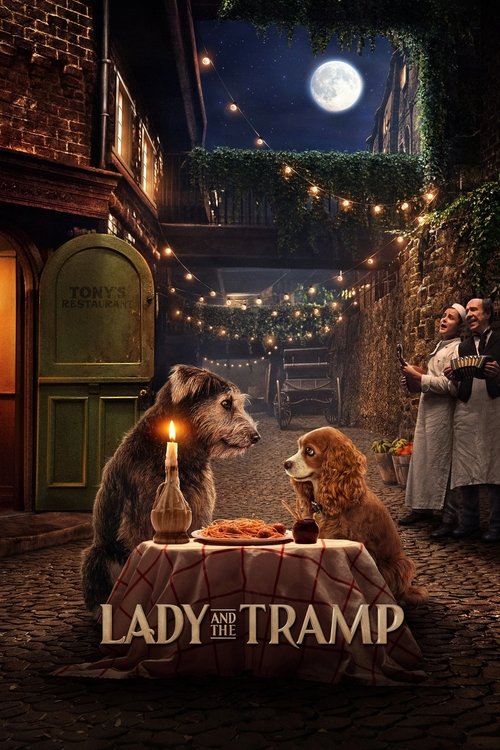
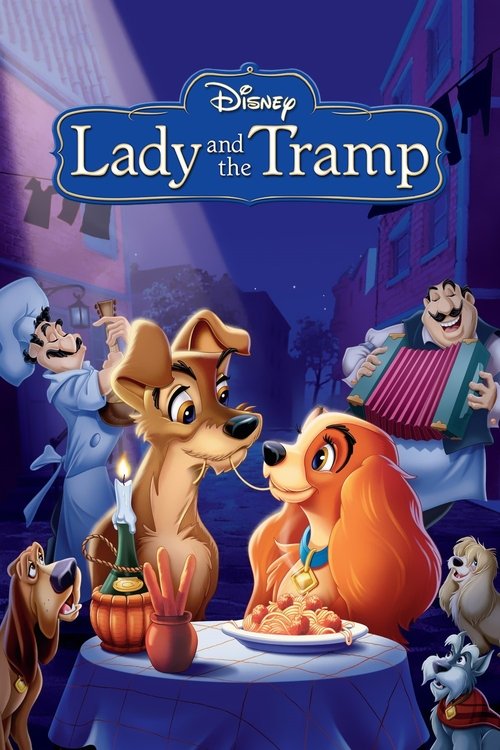
Lady and the Tramp
2019
No user ratings available yet
Representation score: 3.8 out of 10
Representation Score
Minimal
1955
GDirector
Clyde Geronimi, Wilfred Jackson, Hamilton Luske
Runtime
76 minutes
Average Rating
No ratings yetNew Showbiz Analysis
Lady and the Tramp serves as a reinforcement of mid-century social structures. The narrative prioritizes the stability of the domestic institution and adheres to traditional gender and class hierarchies. While it explores socioeconomic friction between domesticated and stray dogs, it ultimately validates the sanctity of the traditional home. The film lacks the intentionality to challenge systemic norms, providing a sentimentalized view of social integration and conventional morality, focusing on the preservation of social order through assimilation.
Category Breakdown
The film follows a strictly heterosexual romantic storyline. There is no presence of queer subtext or non-cisgender identities.
Lady embodies mid-century feminine ideals of domesticity and refinement. The Tramp represents rugged masculinity, maintaining a traditional protector and protected dynamic.
As an animal fable, the film lacks human racial representation. Social stratification is expressed through class metaphors rather than ethnic identity.
The story celebrates Western domesticity and the nuclear family. It suggests social harmony is achieved through assimilation into established middle-class institutions.
The character roster contains no visible or invisible disabilities. The narrative does not engage with physical or neurodivergent themes.
Present on Screen
Limited or Absent
Official Synopsis
Lady, a golden cocker spaniel, meets up with a mongrel dog who calls himself the Tramp. He is obviously from the wrong side of town, but happenings at Lady's home make her decide to travel with him for a while.
2019
1972

1981
1941

2001

1997
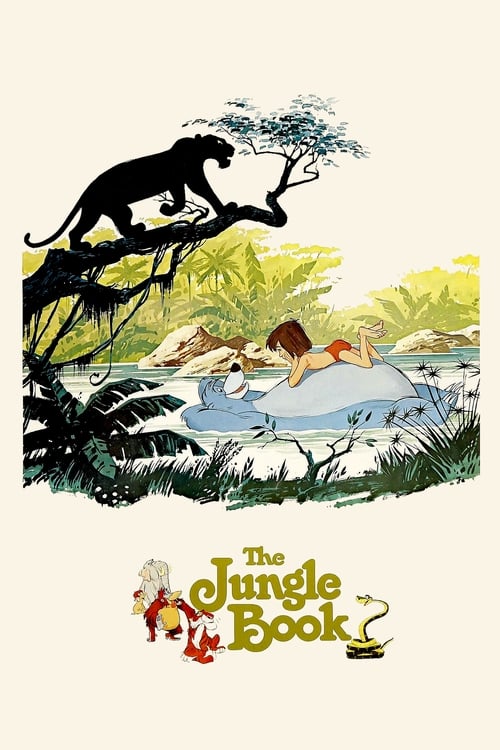
1967

2004
No reviews yet. Be the first to share your thoughts on this movie!
Use the rating form above to leave a star rating and optional review.