
Revenge of the Creature
1955
No user ratings available yet
Representation score: 1.7 out of 10

Representation Score
Limited
1954
GDirector
Jack Arnold
Runtime
79 minutes
Average Rating
No ratings yetNew Showbiz Analysis
Jack Arnold’s classic horror film is a quintessential product of its era, rooted in a traditionalist worldview. While it provides a slight subversion of gendered intellectual roles through Kay Lawrence, the narrative ultimately reinforces mid-century Western hierarchies and colonialist exploration clichés. The film's focus on a Western scientific expedition entering a foreign territory to claim biological specimens highlights a lack of indigenous representation. This reinforces a framework where Western knowledge-seeking drives the plot without considering local perspectives. Ultimately, the film adheres to conventional social orders and gender dynamics. While it attempts to grant female characters professional independence, the structural progression of the story reverts to traditional roles of vulnerability and masculine dominance.
Category Breakdown
The film does not include any identifiable LGBTQ+ characters or non-cisgender identities. Romantic tension is strictly confined to a traditional heterosexual relationship between the lead scientist and his fiancée.
Kay Lawrence offers a nuanced departure from 1950s clichés by acting as a professional scientist with intellectual independence. However, the plot eventually diminishes her autonomy, repositioning her as a vulnerable subject of pursuit.
The cast is predominantly white, reflecting mid-century cinematic norms. The narrative utilizes a colonialist 'lost world' cliché, where a Western expedition enters foreign territory to extract biological specimens.
The story emphasizes mid-century Western values, focusing on scientific authority and professional hierarchy. It celebrates institutionalized discovery rather than critiquing Western institutions or religious morality.
The Creature is framed as a biological 'missing link' specimen rather than a character with lived experience. It serves as a plot catalyst rather than a subject with physical or neurodivergent complexity.
Present on Screen
Limited or Absent
Official Synopsis
When scientists exploring the Amazon River stumble on a “missing link” connecting humans and fish, they plan to capture it for later study. But the Creature has plans of his own, and has set his sights on the lead scientist's beautiful fiancée, Kay.
1955
1932
1977
1955
1933
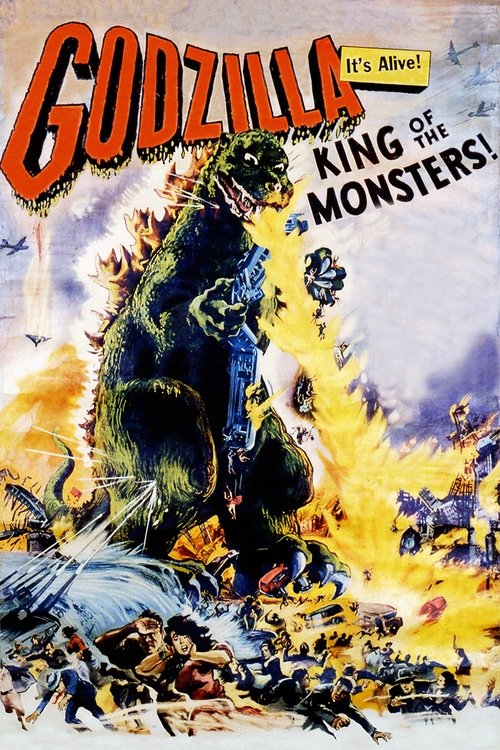
1956
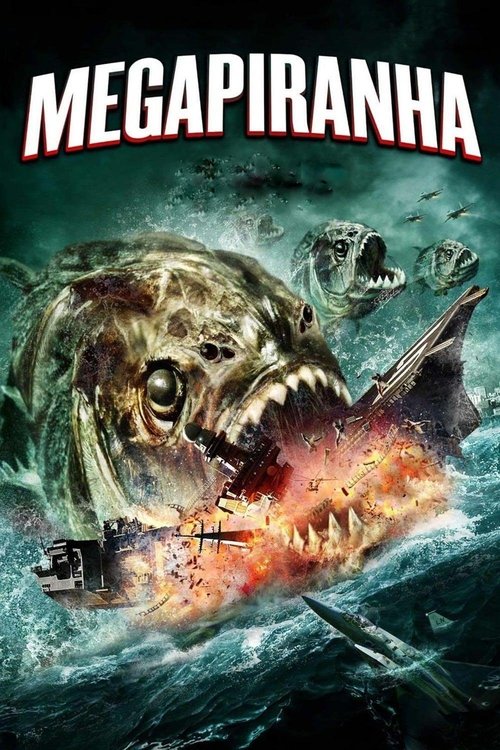
2010
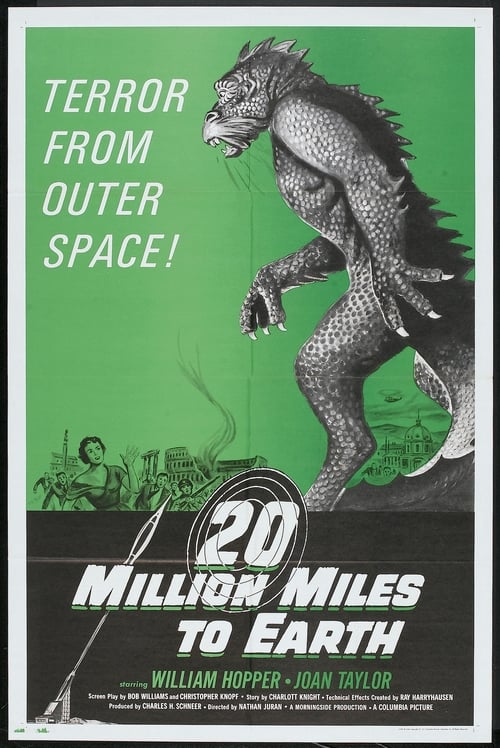
1957
No reviews yet. Be the first to share your thoughts on this movie!
Use the rating form above to leave a star rating and optional review.