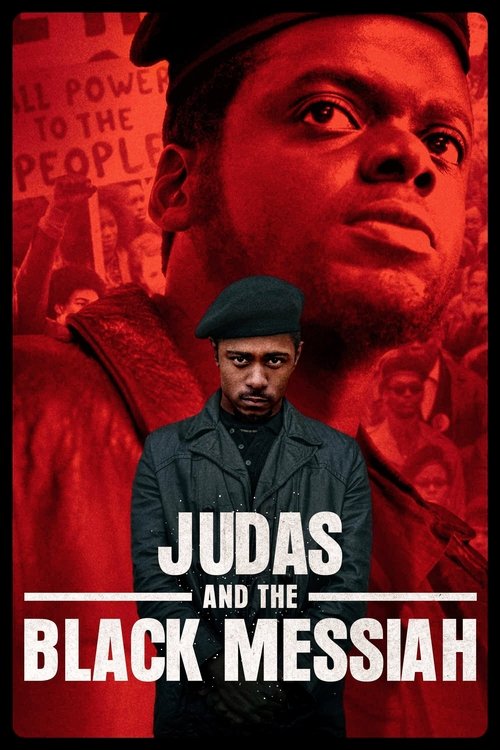
Judas and the Black Messiah
2021
RNo user ratings available yet
Representation score: 9.4 out of 10
These lists use approved religious and cultural representation scores for historical films that have written notes. A higher score means the analysis found more on-screen treatment of religion, culture, or related critique. A lower score means that treatment is thinner or absent. It is not a virtue score and not a warning label.
The film portrays the FBI as an antagonistic force, criticizing Western institutions. It emphasizes community-led initiatives, such as the Free Breakfast Program, as important alternatives to state dependency.
The narrative criticizes the Catholic Church and centralized state authority as reactionary forces. It highlights the struggle of the working class against oppressive, traditional Western hierarchies.
The film critiques how religious and legal institutions were used to justify cruelty. It examines how capitalism and dehumanization intersect within the slave trade.
The story offers a strong critique of Western institutions, portraying the judicial system and law enforcement as tools of state suppression rather than neutral arbiters.
The narrative presents the slave revolt as a moral necessity against a corrupt and predatory socio-economic hierarchy, functioning as an anti-imperialist critique of the Roman Senate.
The narrative prioritizes a non-Western, decolonial framework by centering the Nation of Islam. It critiques Western institutional power and explores Malcolm X’s shift toward a global human rights perspective.
The narrative provides a profound critique of Western interventionism. It portrays the destruction of Buddhism and the forced dissolution of the family unit as systemic atrocities.
The story offers a strong critique of Western institutions and capitalism. It portrays the overthrow of the Batista regime as a necessary correction to systemic issues through a Marxist lens.
The movie critiques Western dominance and imperialism, framing the fight for sovereignty in the Global South through an anti-capitalist lens.
The film rigorously critiques the Catholic Church, portraying it as an engine of systemic oppression. It deconstructs religious penance and institutional truth as tools for subjugation.
The narrative critiques Western imperialism and state-sanctioned authority. It portrays traditional institutions as inherently oppressive and predatory, offering a nuanced critique of Western exceptionalism.
The film criticizes Western institutions and the legal system. It portrays government authorities as tools of oppression rather than protectors of Indigenous rights.
The narrative offers a critical look at Western institutions and capitalism. It presents the Bolshevik Revolution through a sympathetic lens, emphasizing social justice.
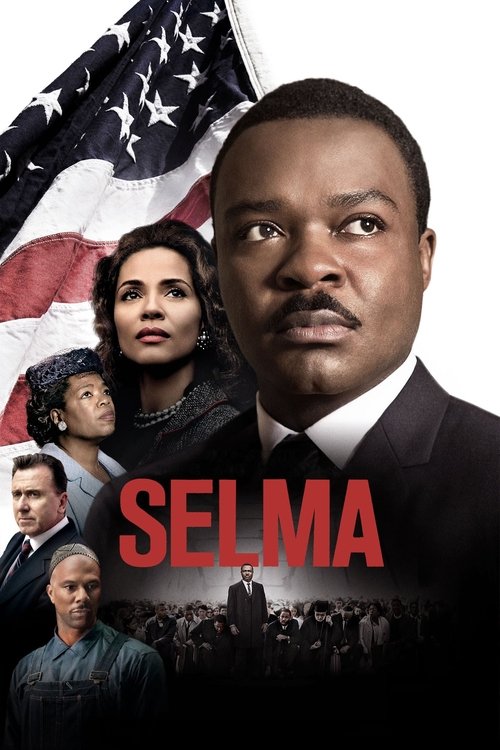
The film critiques corrupt Western institutions and highlights the Black church as a site of empowerment. It contrasts this with white supremacist religious rhetoric, framing justice as a rebellion against a failed social order.
The movie critiques industrial capitalism and institutional failures, emphasizing the community's fight against corporate and governmental corruption.
The film provides a strong critique of Western capitalism and corporate ethics. It portrays large-scale industrial institutions as predatory and disconnected from social responsibility.
The film offers a strong critique of state-sanctioned authority and traditional power structures. It deconstructs official history by highlighting the victims of a perceived communist purge and questions state-driven morality.
The narrative offers a critical view of Western institutions such as the LAPD and the legal system. It challenges the American Dream by focusing on power dynamics over traditional patriotism.
The film provides a profound critique of Western-led financial institutions and capitalism. It uses a postmodern lens to question the legitimacy of official historical and economic narratives.
The narrative critiques Western religious imperialism and institutional corruption. It favors a humanist perspective, suggesting sanctity lies in compassion rather than sectarian dominance or religious exceptionalism.
The story critiques capitalist structures and the exploitative nature of the music industry. It deconstructs traditional family ideals by focusing on chosen kinship and community.
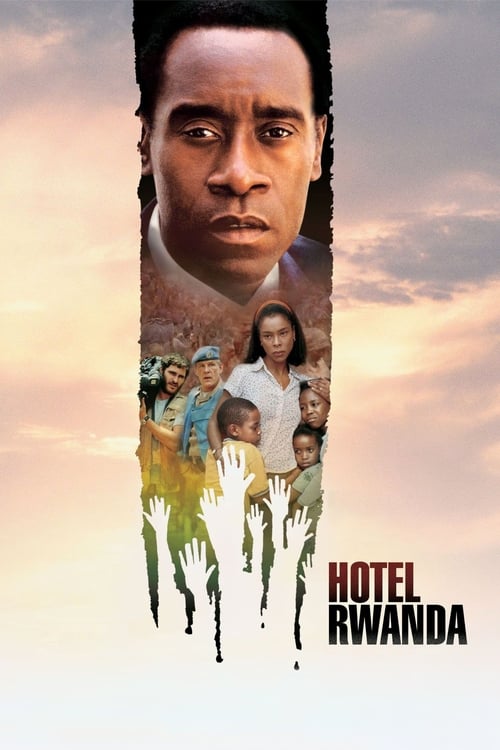
The narrative critiques Western dominance and the indifference of international bodies during the crisis, highlighting the failures of global leadership.
The story emphasizes religious pluralism, showcasing the intersection of Hindu and Muslim identities. It also critiques Western institutional power and colonial capitalism.
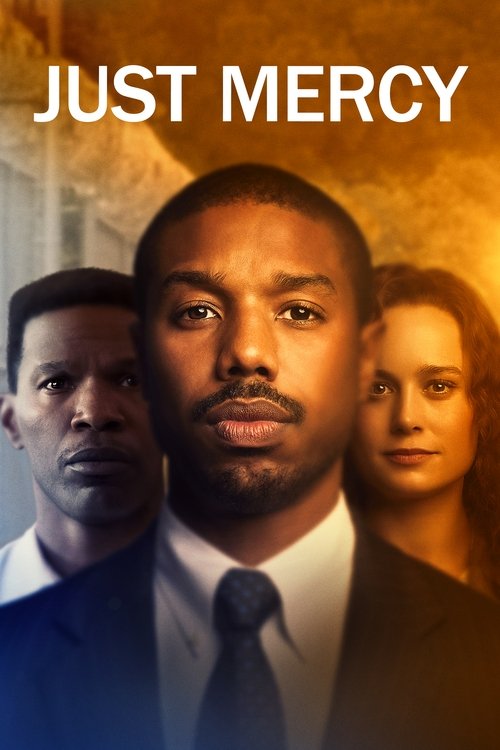
The story critiques the American judicial system and capital punishment, framing state authority as potentially corrupt and oppressive.
The film critiques traditional Western institutions and conservative structures. It presents them as barriers to human rights and equality, highlighting their role in systemic oppression.
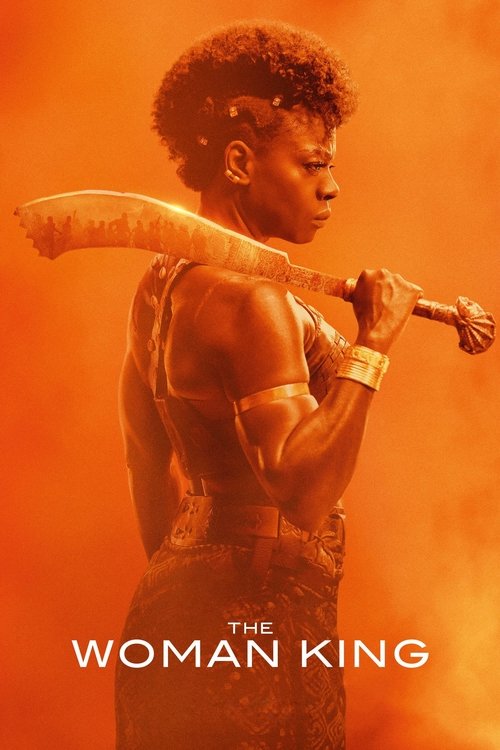
The film critiques European imperialism and the Atlantic slave trade. It highlights African sovereignty over Western-centric morality.
The film critiques Western institutional power by portraying state authorities as part of a systemic, oppressive framework rather than just individual antagonists.
The film examines the fall of the 'Mandate of Heaven' and the rise of a socialist state. It looks at the tension between individual freedom and collective state authority.
The film criticizes exclusionary Western institutions and the capitalist structures of professional tennis. It celebrates the disruption of social norms and the pursuit of systemic change.
The story offers a sophisticated critique of systemic failures and post-colonial corruption. It highlights how global economic structures and political neglect exacerbate local vulnerabilities.
The narrative criticizes Western institutions by showing police as agents of chaos, framing systemic corruption and racial bias as key drivers of conflict.
The film criticizes established Western institutions by depicting the Confederate government as a corrupt and oppressive system. It portrays subversive rebellion as a necessary response to systemic power.
The film offers a sophisticated critique of Western institutions, presenting militant tactics as a necessary response to systemic disenfranchisement. It also examines how traditional domestic roles can impede individual freedom.
The narrative critiques traditional Western institutional power and the systemic barriers within the capitalist entertainment industry. It prioritizes an outsider perspective that challenges oppressive establishment norms.
The story critiques Western expansionism by depicting English settlers as a disruptive force against a harmonious social order. It portrays colonial progress as a form of systemic corruption.
The story critiques the oppressive economic and social systems of the pre-Civil War South. It portrays the plantation system as a tool of exploitation.
The film criticizes Western religious dogma as an impediment to progress. It portrays the pursuit of science as a necessary rebellion against oppressive religious orthodoxy.
The story offers a nuanced critique of Western institutional power and neo-imperialist motives. It questions the legitimacy of the US-UK alliance through a post-colonial perspective.
The story provides a nuanced critique of Western institutional authority and imperial conflict. It depicts the military hierarchy as a facilitator of systemic violence and chaos.
The story critiques centralized authority and traditional institutions by emphasizing moral relativism. It portrays state and religious structures as inherently flawed or broken.
The film critiques oppressive Western institutions and the Fugitive Slave Act. Religion is portrayed as a tool for liberation rather than control.
The narrative critiques Western institutional authority by portraying the NYPD as a systemic entity that used the perceived anti-social behaviors of underrepresented communities to justify a lack of urgency.
The film provides a critical view of Western institutions, portraying the school system as corrupt and morally relative.
The film critiques Western institutions and the Hollywood power structure. It frames established industry hierarchies and legal frameworks as complicit in systemic abuse.

2017
TV-MAThe film critiques the destruction of Buddhism and traditional family structures under radical communism. It frames the loss of these institutions as a catastrophic systemic failure.
The narrative criticizes Western institutional responses to the refugee crisis. It portrays state bureaucracies as often obstructive, emphasizing human dignity over rigid geopolitical boundaries and nationalistic norms.
The narrative criticizes fundamentalist Christian dogma as a force for breaking up families. It shifts from rigid religious orthodoxy toward a more empathetic understanding of human rights.
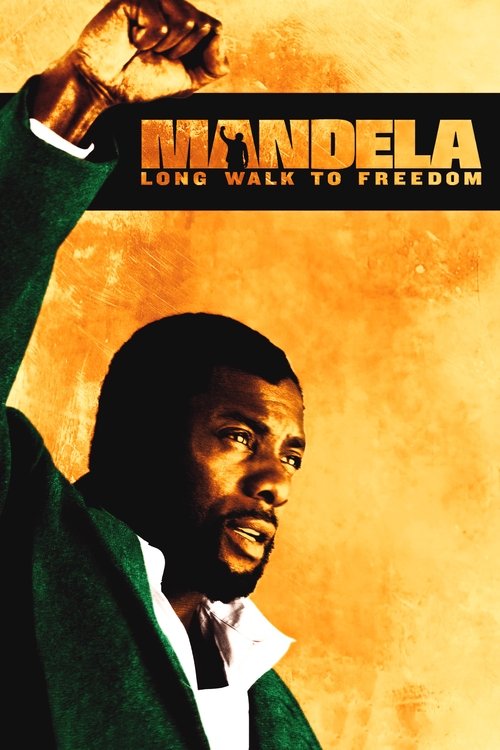
The film critiques colonial and apartheid systems by framing the fight for freedom as a moral battle against corrupt institutions. It highlights the struggle for liberation.
The film critically examines the Spanish Inquisition and the Catholic Church. It portrays these institutions as oppressive and predatory rather than moral guides.
The film critically examines Western religious, economic, and media institutions, adopting a skeptical stance toward traditional power structures.
The film critiques Western institutions and pharmaceutical bureaucracy. It portrays capitalist profit motives as conflicting with human rights.
The story critiques the predatory nature of the music industry and the commodification of Black talent without resorting to moralistic condemnation.
The narrative examines how the music industry commodifies Black culture for profit. It delves into the tension between institutional authority and individual liberation.
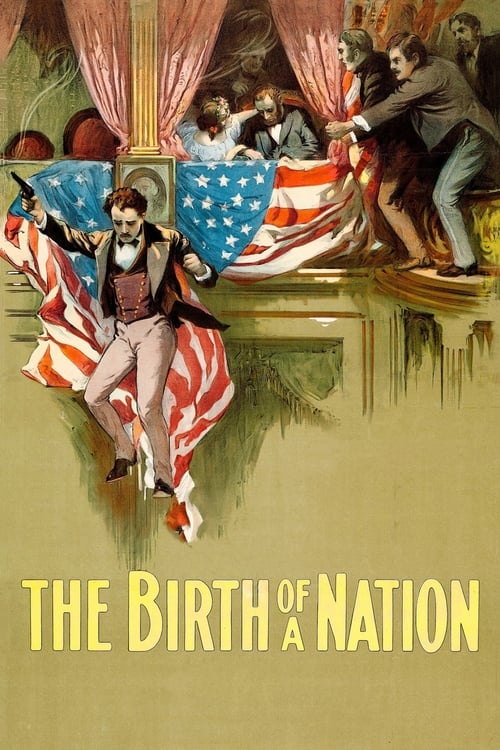
The story promotes an exclusionary morality centered on defending a specific Southern social caste. It portrays Black political ability to act and Reconstruction-era governance as inherently corrupt and chaotic.
The film highlights the effectiveness of Western institutions and science. It reinforces traditional hierarchies and emphasizes adherence to protocols and patriotism.
The story reinforces a traditional Western/Eastern cultural divide. Religious institutions are portrayed as antagonistic forces without nuanced exploration.
This patriotic film emphasizes the American military and its institutions without questioning its underlying structures or religious foundations. It celebrates the military's role in upholding national sovereignty.
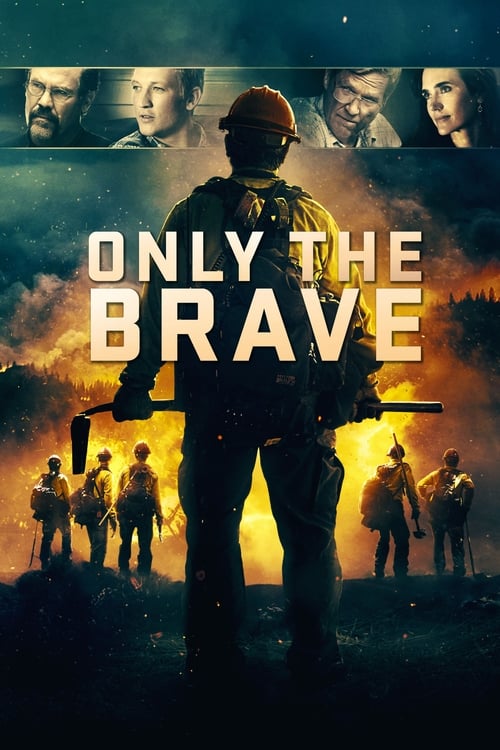
This patriotic narrative centers on American heroism and the sanctity of duty. It portrays Western institutions like law enforcement as stabilizing forces, presenting a clear moral dichotomy.
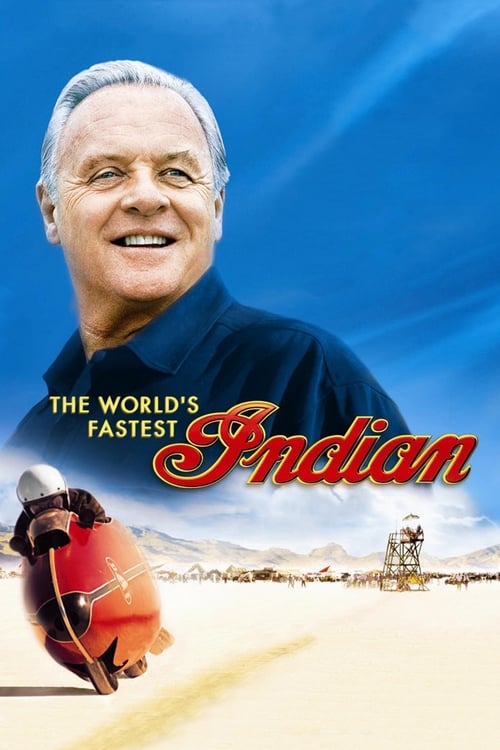
The narrative celebrates Western values like individualism and perseverance. It portrays the protagonist's mechanical work as a virtuous pursuit of a singular dream.
The story celebrates Western values of meritocracy and capitalist enterprise. It portrays industrial progress and luxury production as key achievements.
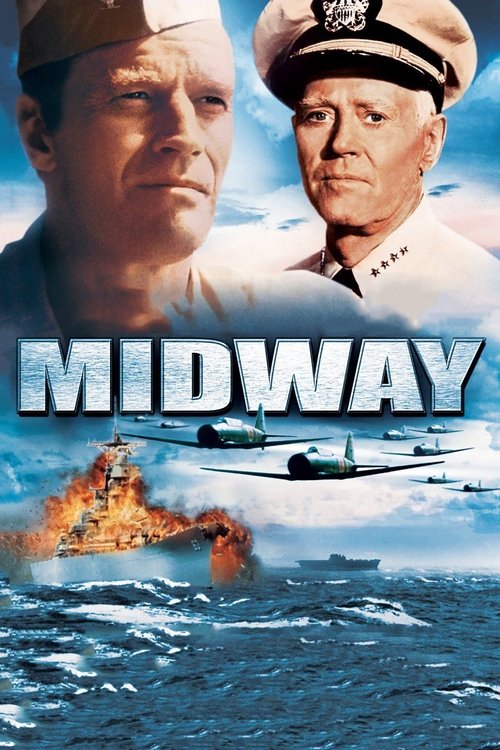
The film highlights Western values such as patriotism and military authority. It presents the conflict as a straightforward fight for national survival without questioning moral absolutes.
The story celebrates American success through meritocratic achievement and patriotism. It frames conflict through a binary of Western values versus the Soviet model.
The narrative is deeply rooted in Seventh-day Adventism and singular religious morality. It celebrates American exceptionalism and traditional Western institutions like faith and patriotism.
The narrative emphasizes Western institutional competence and values such as patriotism and duty. It focuses on the success of a Western aviation system without critiquing traditional social structures.
The story emphasizes Western values such as patriotism and military discipline. It celebrates American sovereignty and strength without delving into moral relativism.
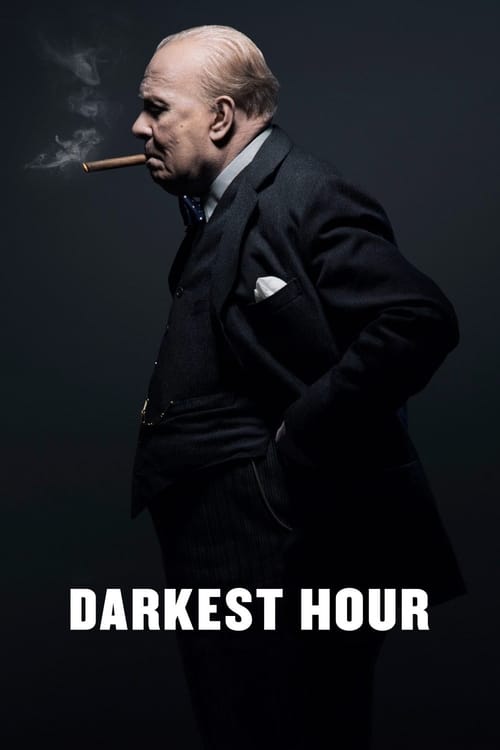
The narrative emphasizes the resilience of the British state and its institutions. It upholds the established order without questioning moral relativism.
The story celebrates foundational American ideals and defends the family. It uses an anti-colonial stance to reinforce a specific American identity.
The narrative functions as a celebration of Western institutional resilience and patriotism. It emphasizes the legitimacy of state authority and the mobilization of American civic spirit.
The story celebrates traditional Western values like patriotism and military discipline. It avoids moral relativism, focusing instead on duty and the sanctity of the chain of command.
The story operates within a framework of traditional Western values. It emphasizes duty, patriotism, and the sanctity of the family unit.
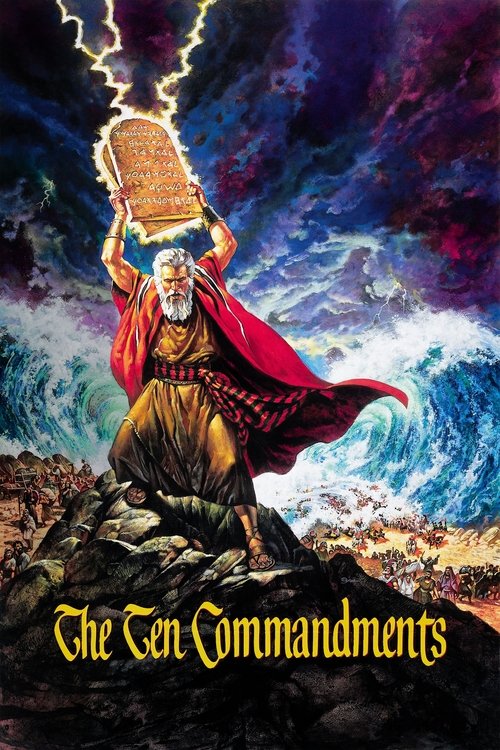
The story promotes a strict religious morality centered on divine laws. It sets up a binary between monotheistic righteousness and polytheistic decadence, rejecting moral relativism for unchanging sacred codes.
The film upholds the 'American Dream' ideal, emphasizing individual success and respect for established institutions. It promotes traditional social structures without critique.
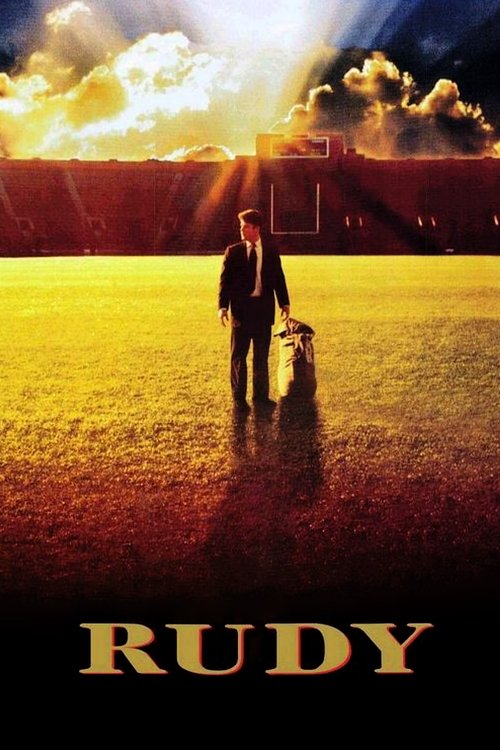
The story highlights the values of Roman Catholicism and the American Dream. It promotes individual achievement and respect for established institutions.
The film promotes a singular Christian morality centered on sin and repentance. It portrays religious faith and the family unit as the essential pillars of stability.
The story aligns with traditional Western values, emphasizing resilience and structured authority. It depicts period-specific religious themes and patriotic sentiment as stabilizing forces.
The film highlights Western military heroism and patriotism, emphasizing duty and the chain of command.
The story emphasizes the divine right of kings and Western traditions. It celebrates national identity and the preservation of state order through religious mandate.
The story reinforces military hierarchy and institutional duty. It avoids anti-Western critiques and presents the mission as an objective necessity within a structured framework.
The narrative emphasizes duty and the preservation of Western institutions. It portrays the Crown and Church as essential pillars of stability without critique.
The narrative defends Western cultural institutions and the preservation of historical masterpieces. It portrays the protection of European heritage as a heroic necessity.
The film presents a traditional Western perspective emphasizing patriotism and mission-oriented discipline. It maintains a clear moral distinction between the protagonists and the antagonists without delving into moral relativism.
The narrative celebrates Western entrepreneurship and innovation, framing the pursuit of corporate success as the main achievement without addressing anti-capitalist viewpoints.
The story focuses on family legacies and social hierarchies within a traditional Western context. It uses Victorian superstitions and religious themes to create tension without questioning these institutions.
The plot centers on Western religious traditions and Christian morality, reinforcing traditional spiritual frameworks without offering alternative or critical views.
The narrative celebrates traditional Western values like duty and institutional respect. It focuses on maritime authority rather than deconstructing societal roles.
The story emphasizes the preservation of traditional Western institutions and social hierarchies. It highlights patriotism and the continuity of the landed gentry but does not critique the class system.
The story operates within a framework of Western military values and duty. It presents a clear dichotomy between the defending unit and insurgent forces.
The film upholds traditional Western institutions and emphasizes the sanctity of the father-son bond and family legacies.
The narrative operates within a framework of Western institutionalism. It emphasizes pragmatic statecraft and the preservation of the existing global order.
The narrative emphasizes Western technological achievements and the success of American institutions. It reinforces traditional values such as patriotism and the effectiveness of large-scale government programs.
The story upholds Western values such as discipline and hierarchy. It portrays survival through the lens of individual resilience and established social order.
The film upholds traditional Western military and religious values. Religious elements are used through a chaplain to provide spiritual support.
The narrative emphasizes individual conscience through a lens of traditional religious loyalty. It upholds a singular moral framework without exploring systemic oppression or moral relativism.
The film explores the pinnacle of capitalist success and global branding. It emphasizes Western values such as meritocracy, extreme self-discipline, and the pursuit of individual excellence.
The film presents Christian faith through a traditional lens, avoiding moral relativism. It frames the conflict between faith and the Roman state as a defense of divine morality.
The story is deeply rooted in Western religious traditions, presenting a moral contrast between delinquency and Christian redemption. It reinforces traditional values regarding authority and faith.
The film is a traditional Western war epic that celebrates patriotism. It upholds traditional Western institutions and emphasizes the effectiveness of the military chain of command.
The film highlights patriotism and military honor within a traditional context. It celebrates the foundational myths of Texan independence without questioning these narratives.
This historical drama highlights military discipline and institutional hierarchy. It focuses on the tactical struggle for survival without addressing geopolitical issues or deconstructing Western military structures.
The film honors Western institutions and the stability of the British state. It presents a positive view of traditional family structures and the established order without questioning them.