Children of a Lesser God
1986
RNo user ratings available yet
Representation score: 9.5 out of 10
These lists use approved disability representation scores for New Hollywood films (1960s-1980s) that have written notes. Highest-scoring films are those whose notes describe more on-screen disability representation. Lowest-scoring films are those whose notes describe little or none. Neither list is a quality ranking.
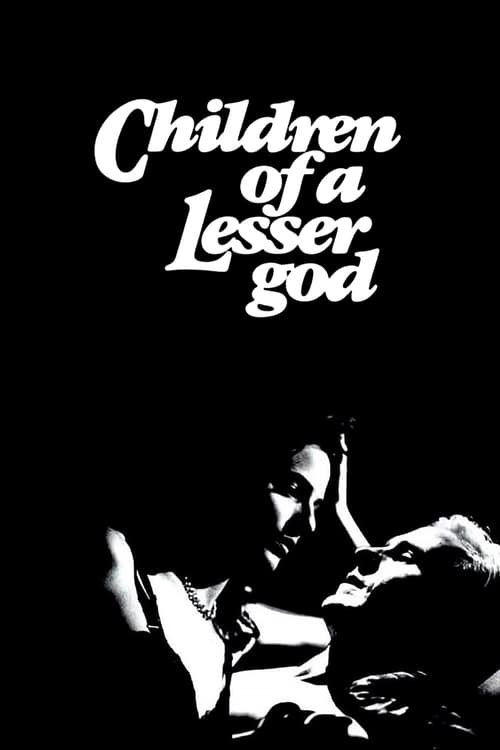
Casting Marlee Matlin adds authenticity to the film. Sarah is a complex, empowered character who fights for her right to communicate rather than serving as a sentimental figure.
The film presents cerebral palsy as a complex obstacle to independence without falling into sentimentality. Christy Brown is a central figure whose intelligence and artistry shape the story.
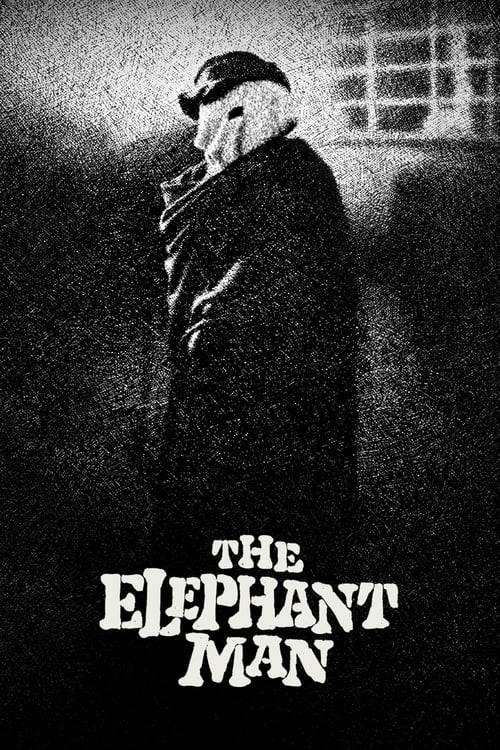
The film centers on Joseph Merrick's profound intellect and ability to act, using his condition to critique the voyeuristic nature of the 'normal' world.
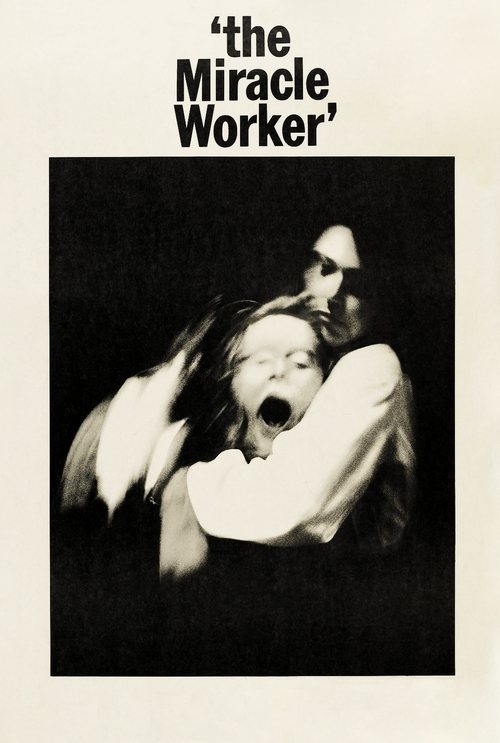
Helen Keller's deaf-blindness is portrayed as a complex, lived experience rather than a source of pity. The film avoids inspirational clichés by focusing on the challenging, psychological struggle for autonomy.
The protagonist is shown to have high ability to act and intelligence. The film focuses on the social stigma and psychological reality of disability, rather than portraying it as a miraculous or tragic condition.
This is the film's standout element, focusing on deaf and blind protagonists. They have high ability to act, using their unique perspectives to navigate a world built for the able-bodied.
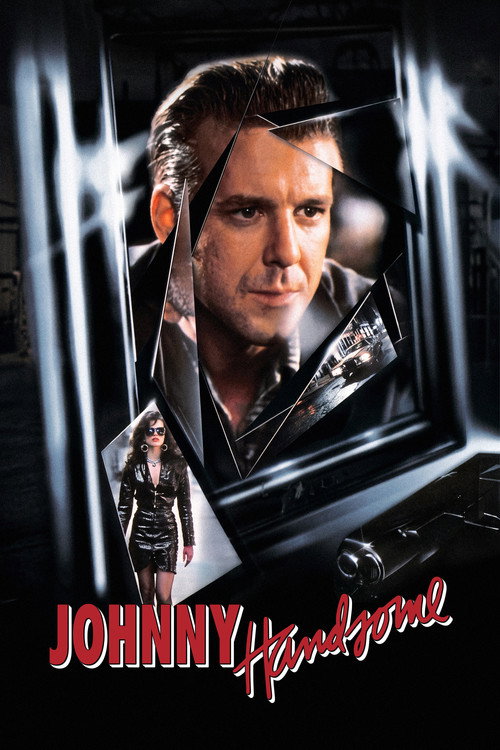
The film centers on a protagonist with facial disfigurement, giving him a significant role in driving the story. It uses his physical difference to critique societal views on beauty.
Paraplegia is the central factor driving the protagonist's political awakening. The film avoids clichés by focusing on the harsh realities of physical loss and systemic failures.
The film portrays physical disabilities with dignity. It examines the psychological impact of blindness and paralysis, showing how characters regain autonomy.
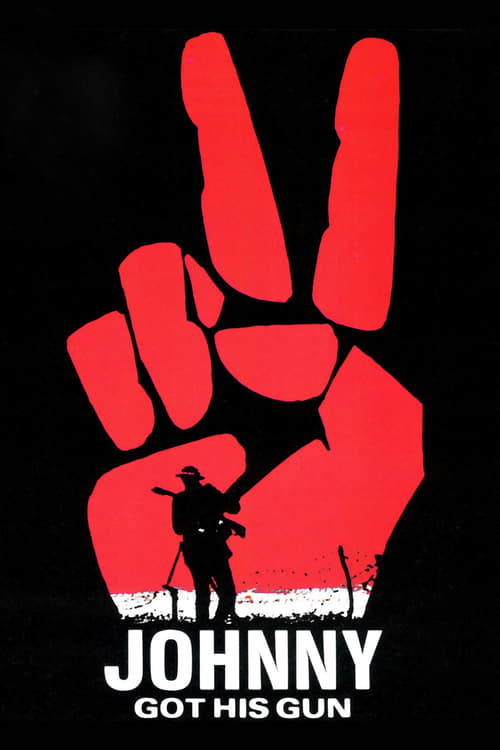
The film vividly explores the experience of severe physical disability. Despite his physical limitations, the protagonist maintains mental control through his internal thoughts.
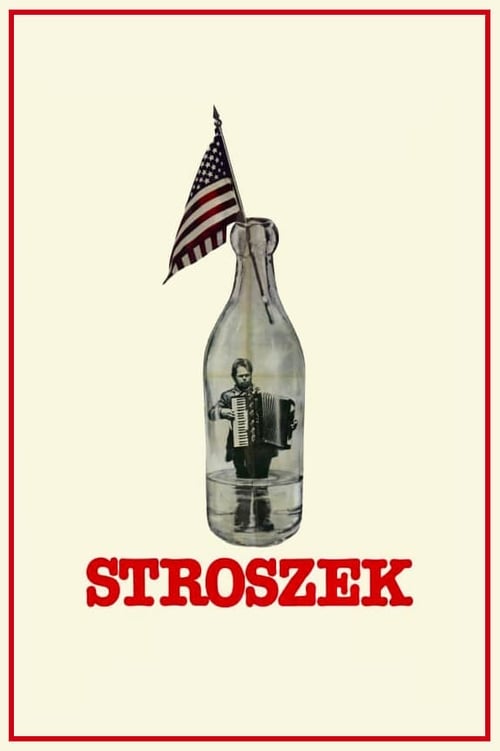
The casting of Bruno S. provides a genuine portrayal of neurodivergence.
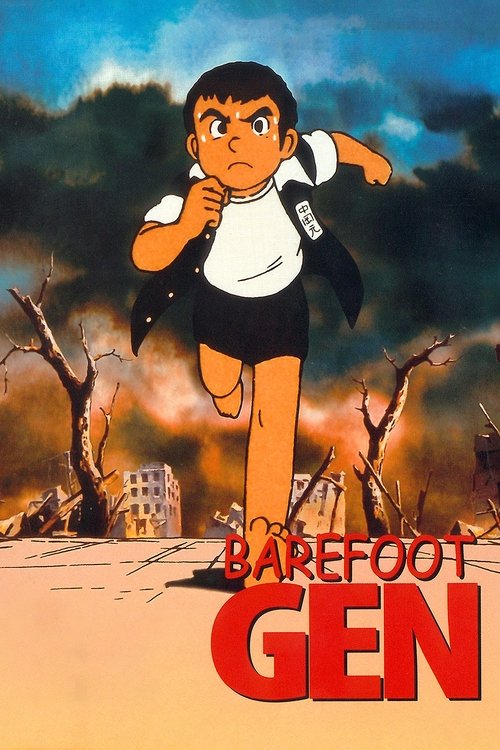
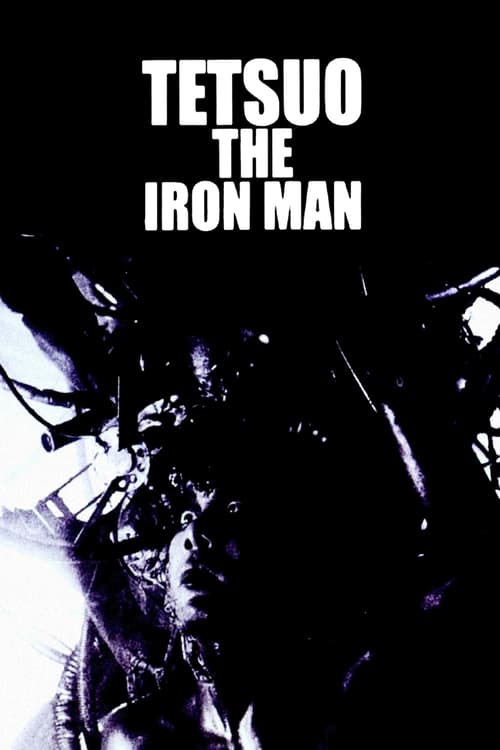
The narrative offers an unflinching look at physical disability and chronic illness caused by radiation. These conditions are central to the protagonist's journey rather than mere plot devices.
1975
RThe story focuses on neurodivergence and mental health, giving patients significant roles in driving the narrative. It examines the struggle for autonomy against forced normalization without mocking disability.
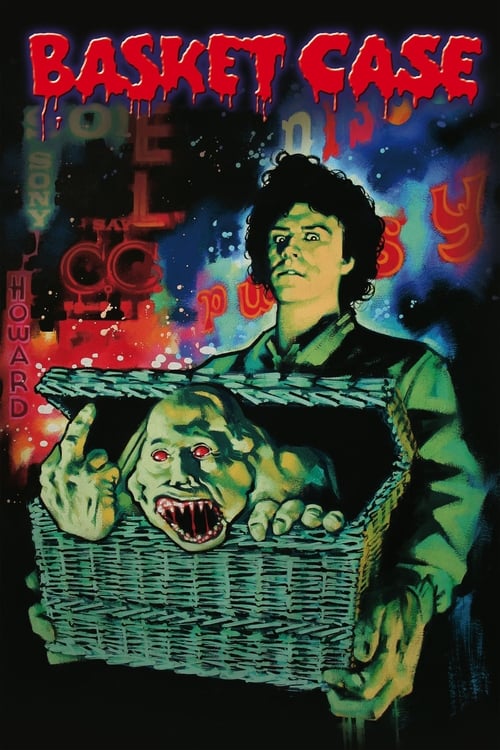
Belial is a sentient, independent character rather than a passive object of pity. The film centers the reality of living with profound physical differences.
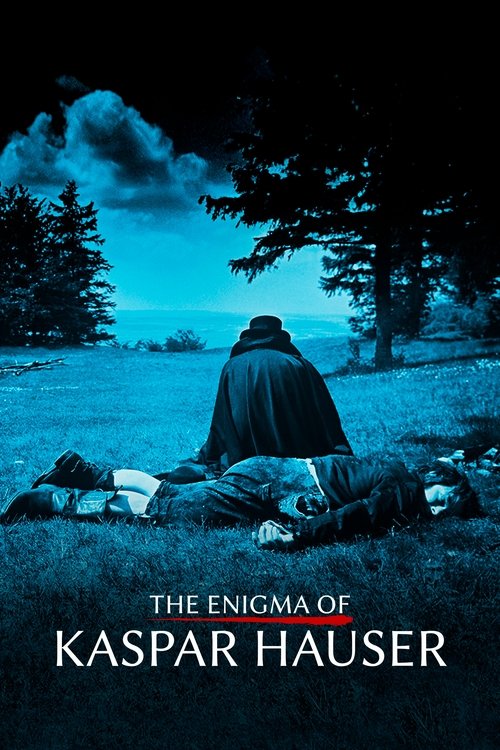
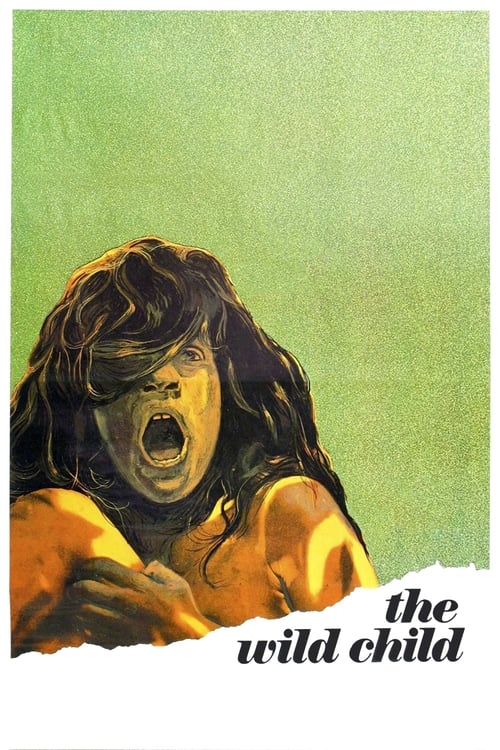
The narrative offers a detailed look at neurodivergence and atypical development. It avoids exploitative portrayals and explores the cognitive challenges faced by those in extreme social isolation.
The protagonist offers a profound study of neurodivergence and developmental atypicality. The film avoids sentimental pathos, treating his atypical state with clinical and existential depth.
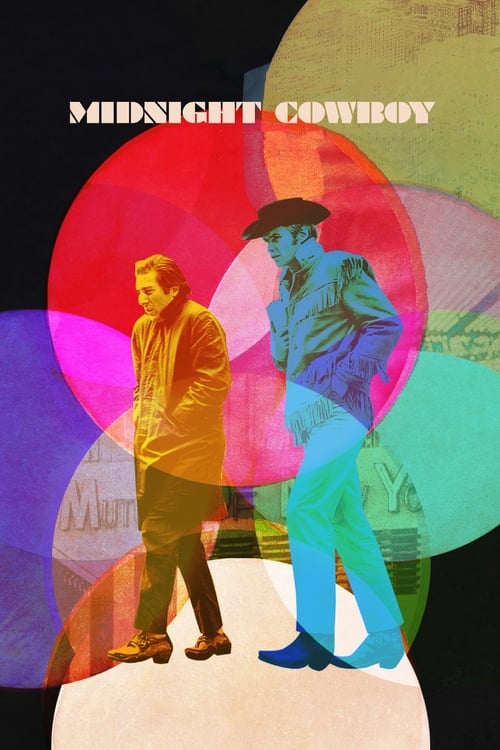
Ratso Rizzo’s chronic illness is integral to his identity, not just a plot device. His condition is shown as a lived reality that shapes his character and humanity.
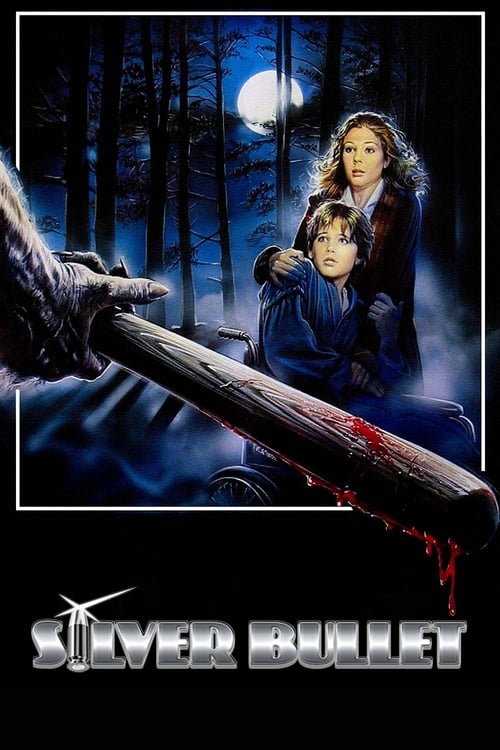
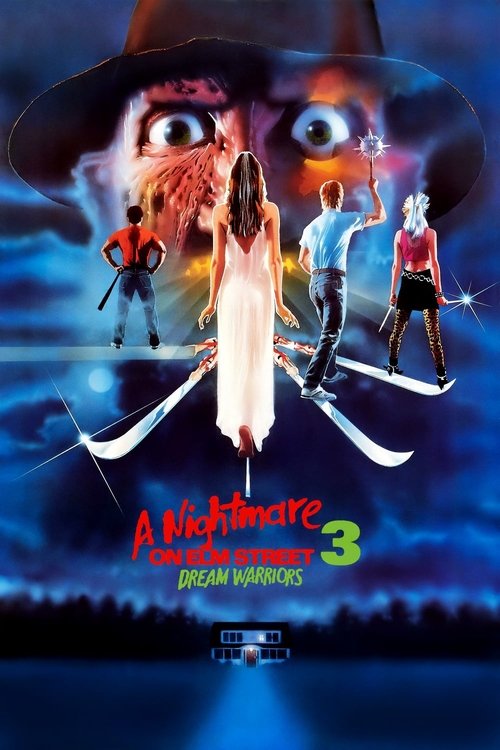
Marty’s paraplegia is portrayed with ability to act and nuance, avoiding pity or inspiration porn. His disability provides unique insights, challenging horror clichés by positioning him as an empowered outsider.
Carl Anderson, a deaf and mute veteran, is central to the plot. The film explores how sensory disabilities intersect with perceived criminality and systemic exclusion.
The film provides a raw look at mental health and cognitive changes. The subjects are complex individuals navigating neurodivergence rather than being portrayed as objects of pity.
Mabel’s psychological fragmentation is central to the plot, driving the narrative through her own actions. The film avoids caricatures, focusing on the reality of mental instability.
Characters with limb loss and dissociative identity disorder play key roles in the story. The film avoids pity by integrating their disabilities into their core identities.
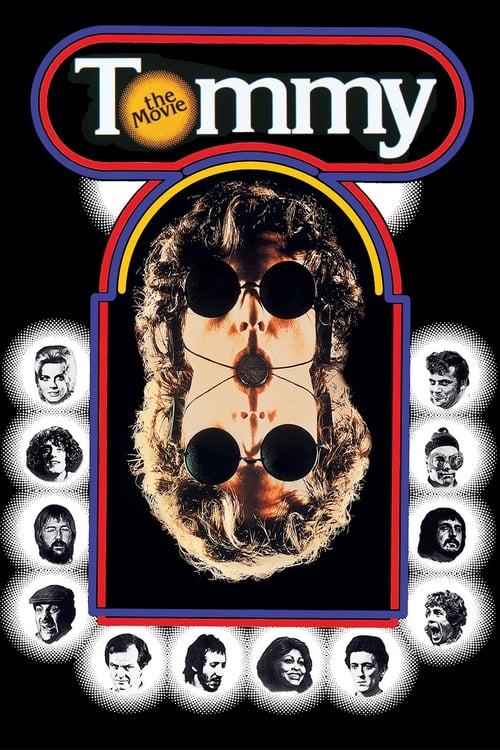
The protagonist's deafness, muteness, and blindness are central to the story. The film avoids inspirational stories and instead focuses on his psychological isolation and eventual mastery of pinball.
The story offers a complex and nuanced portrayal of neurodivergence. It centers the protagonist's internal reality, giving him psychological control rather than using his condition as a simple plot device.
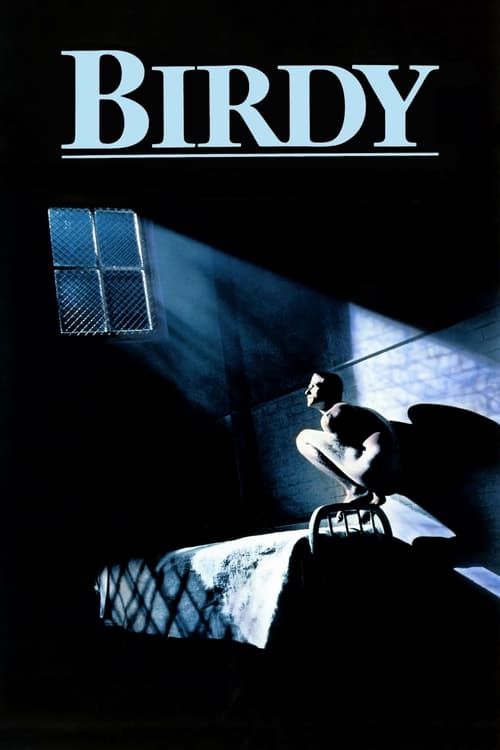
Birdy offers a detailed look at mental health issues and neurodivergence. The film avoids clichés, focusing on Birdy's psychological state as a core part of his identity.
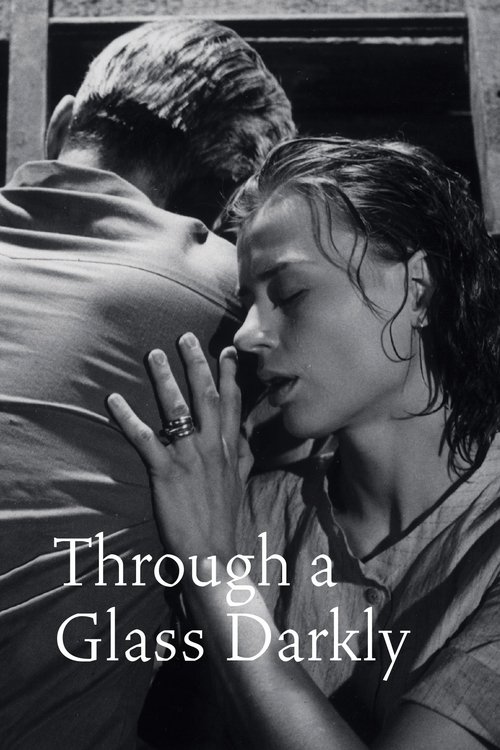
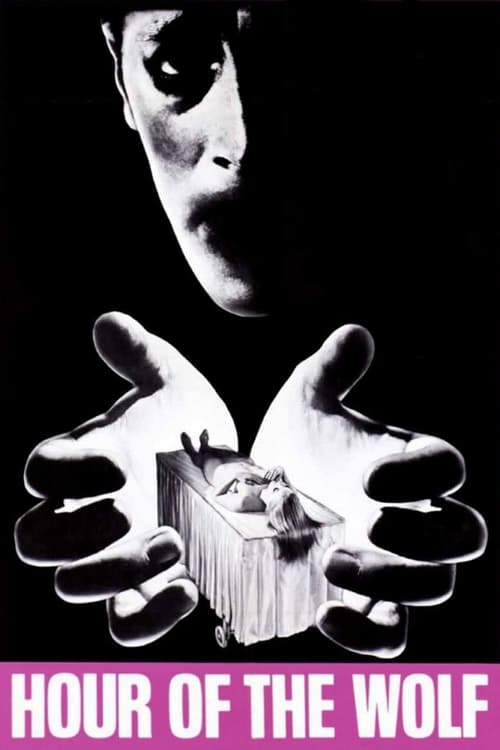
Karin’s mental illness is treated with significant narrative ability to act rather than as a passive tragedy. The film explores the complexity of her perceived reality without using reductive clichés.
The film presents a harrowing look at neurodivergence without mocking it. It uses the asylum setting to question the definition of sanity and normalcy.
Characters like the Wheelers have visible physical differences and are used as tools for creating surreal tension. Their roles balance between having a significant role in driving the story and serving as symbolic devices.
Nathan’s psychological instability is depicted with dramatic weight rather than as a caricature. His mental health struggles serve as a vehicle to explore the long-term consequences of systemic trauma.
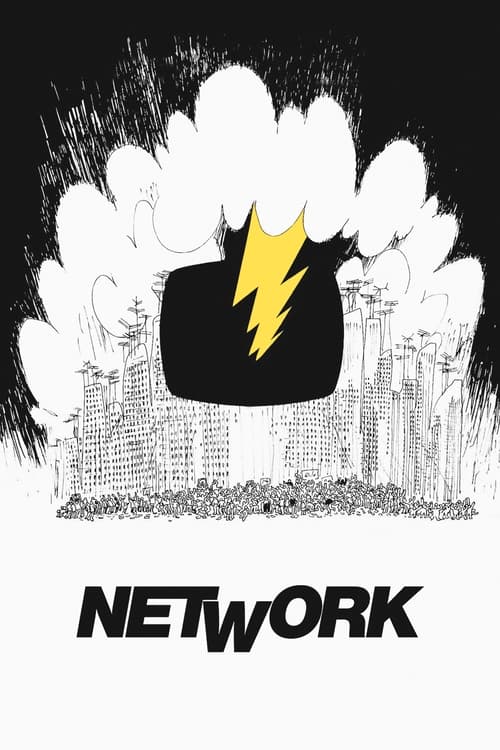
Howard Beale's psychological breakdown is central to the story, serving as a legitimate response to an oppressive socioeconomic framework rather than being mocked.
Physical differences and varying biological capabilities are central to the species' interactions. However, the film sometimes uses physical appearance to indicate moral alignment, which can feel simplistic.
The film explores radical physical changes through the protagonist's journey. He navigates his altered reality with significant control, offering a complex look at post-human existence.
The protagonist's permanent mutation serves as a central disability. The film avoids sentimentality, instead giving the character's ability to drive the story through his capacity for violent social disruption.
Susy’s blindness is portrayed as a strength, highlighting her enhanced auditory and tactile abilities. However, the story emphasizes her physical vulnerability.
Biological mutation is explored through the lens of physical alteration. The film avoids sentimentalism, focusing instead on the violent implications of the protagonist's altered state.
The protagonist's blindness is portrayed positively, showing him mastering alternative senses to drive the plot forward.
The protagonist's mutism is a central, meaningful element. It is integrated into themes of isolation rather than being used as a mere plot device or mockery.
The film addresses body image through a lens of self-acceptance and empowerment. By centering a plus-sized protagonist, it challenges conventional physical norms and standard body types.
The protagonist's mutism, a result of trauma, enhances her ability to act. Her silence compels her to navigate a hostile reality through decisive, direct action rather than verbal communication.
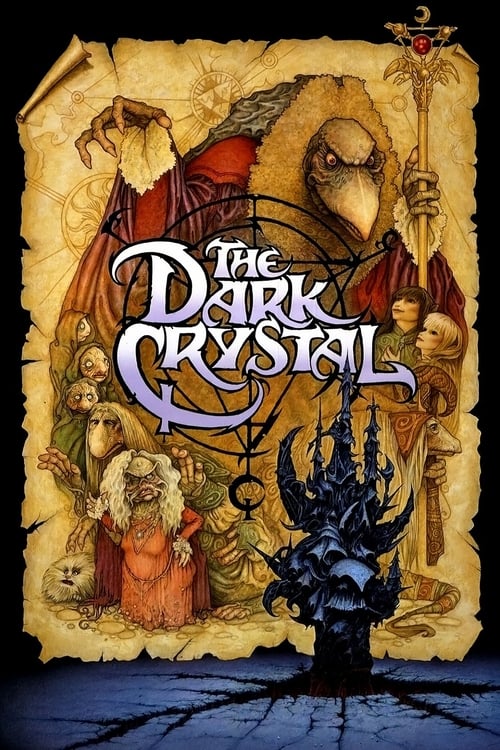
Unconventional or deformed bodies are integrated into a philosophical inquiry into human frailty. These characters have existential ability to act within the film's sensory experience.
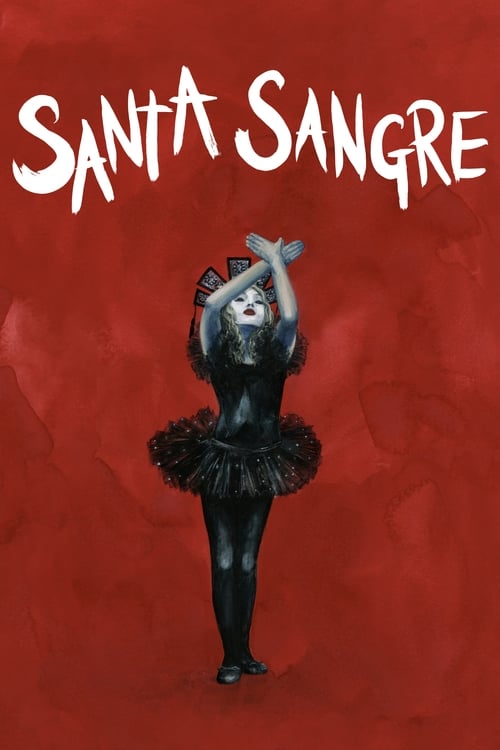
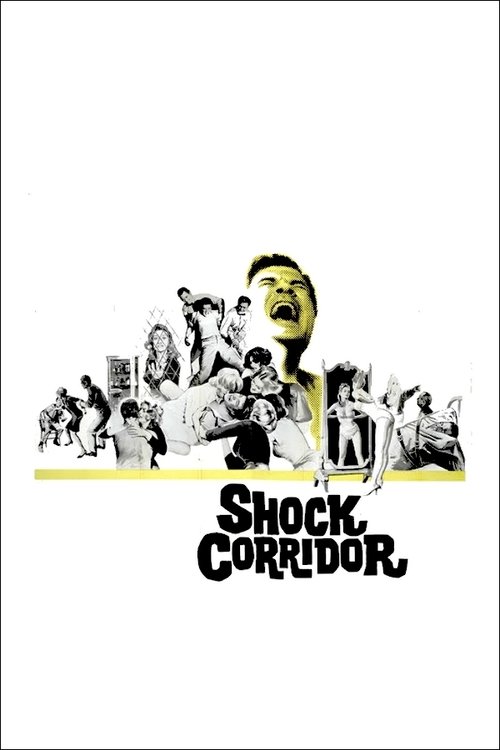
The film delves into the invisible disabilities of mental anguish and psychological fracturing, examining the trauma stemming from state-sanctioned violence and incarceration. It highlights how systemic cruelty affects individuals' mental well-being.
Physical disfigurement serves as a catalyst for existential inquiry rather than a source of mockery. The film avoids clichés by focusing on the psychological isolation caused by the condition.
Eric, a character in a wheelchair, actively participates in the main plot and helps drive the adventure forward.
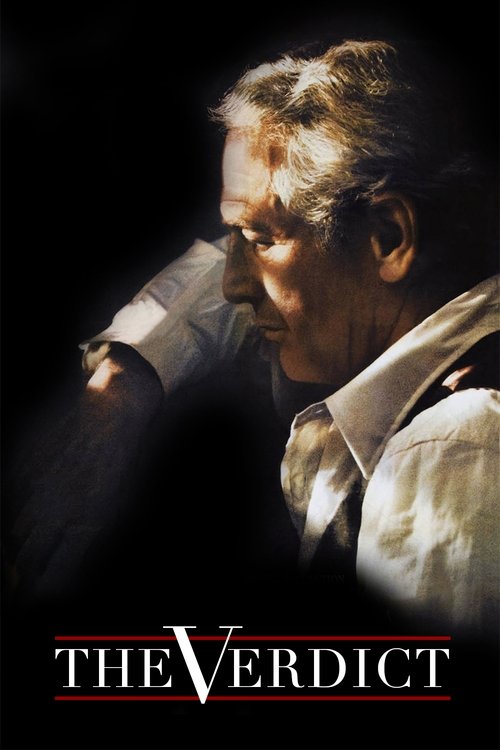
Disability serves as the moral center of the narrative through a medical malpractice case. The film avoids 'inspiration porn' by highlighting systemic failures and loss of control.
Mental health crises serve as the central driver of the film's reality. The protagonist's psychological breakdown is integrated into the narrative structure rather than used as a simple plot device.
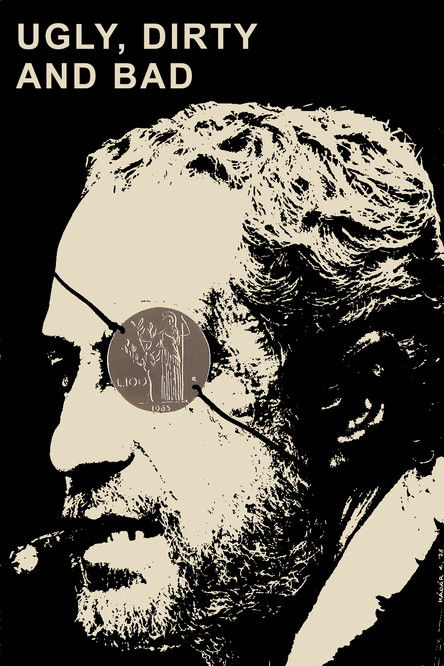
The protagonist's missing eye is a central, practical reality of industrial labor. The disability drives the plot's economic tension without relying on inspirational clichés.
The film handles mental health issues with care. It portrays psychological struggles as sources of strength rather than weaknesses to be mocked.
The story examines the challenges of aging and reduced mobility. It avoids sentimental clichés, focusing instead on the practical difficulties of losing physical independence and control.
The film offers a powerful exploration of mental health and neurodivergence. The protagonist's descent into madness is the central driving force of the plot.
Number 5 is portrayed as an allegory for neurodivergence, showing his unique cognitive perspective with dignity, rather than as a deficit.
No characters have lasting physical or mental disabilities. George’s physical awkwardness is treated as a temporary social flaw corrected by attitude, not a medical condition.
There are no significant depictions of visible or invisible disabilities in the film.
There are no significant depictions of physical or neurodivergent disabilities within the main storyline.
The main character arcs do not prominently feature visible or invisible disabilities.
There is no representation of characters with visible or invisible disabilities. The film emphasizes physical endurance and prowess without addressing neurodivergence or chronic health conditions.
The film does not depict any visible or invisible disabilities. It does not engage with neurodivergence, physical disabilities, or mental health issues as central character dimensions.
No characters with visible or invisible disabilities are central to the narrative. Disability is not used as a plot device or subject of mockery.
There are no prominent depictions of visible or invisible disabilities. Characters are shown within the bounds of standard physical abilities without neurodivergent representation.
The film does not prominently feature characters with visible or invisible disabilities. Disability is neither a central plot device nor used for comedic purposes.
The film does not address visible or invisible disabilities in the main character arcs.
There are no prominent depictions of neurodivergence or physical disabilities used as character drivers or identity markers.
There is no depiction of physical, sensory, or neurodivergent disabilities. Characters are portrayed through an idealized lens of physical health and conventional social abilities.
There are no visible or invisible disabilities portrayed with ability to act. The narrative does not engage with neurodivergence or physical disability.
The film does not feature characters with disabilities. The anthropomorphic animals are defined by their abilities and instincts, not by any impairments.
Neither physical nor mental disabilities are represented among the human or animal characters. Characters' roles are defined by their plot functions rather than by any disabilities.
The film does not prominently feature characters with visible or invisible disabilities. There is no significant representation in this area.
There is no representation of physical, sensory, or neurodivergent disabilities among the characters.
No characters are depicted with visible or invisible disabilities. Such traits are not used as plot devices within the story.
The film does not depict any characters with visible or invisible disabilities. These characters are not used as central figures in the narrative or as plot devices.
There are no prominent depictions of physical or neurodivergent disabilities that significantly impact the plot or serve as central character traits.
The film does not depict any visible or invisible disabilities. Characters are portrayed as having peak physical performance, ignoring conditions like neurodivergence or chronic illness.
There is no explicit focus on visible or invisible disabilities. The film only depicts the physical trauma inherent to professional boxing.
There are no visible or invisible disabilities depicted among the main characters or in the central plot.
The film does not feature characters with visible or invisible disabilities as key narrative elements.
There is no meaningful depiction of visible or invisible disabilities. The core narrative does not explore neurodivergence or chronic illness.
The narrative lacks representation of physical, neurodivergent, or mental health disabilities, focusing exclusively on able-bodied protagonists.
The film does not depict any substantial physical or neurodivergent disabilities. Characters are defined by their species and social standing, rather than by disabilities.
The film does not depict any characters with visible or invisible disabilities. There are no central plot devices involving characters with disabilities.
There are no visible or invisible disabilities portrayed as central to the narrative or character control.
The film does not feature characters with visible or invisible disabilities as central narrative elements.
There are no significant portrayals of physical or cognitive disabilities that play a central role in the story.
There is no significant or meaningful depiction of physical or neurodivergent disabilities within the main character arcs.
There are no significant representations of visible or invisible disabilities in the main storyline.
There is no representation of physical, neurodivergent, or mental health disabilities within the main character arcs.
The film does not feature any significant characters with physical or cognitive disabilities. There are no characters with disabilities used as part of the narrative.
The film does not prominently feature characters with visible or invisible disabilities. The narrative focus remains on psychological alienation rather than physical or neurodivergent impairment.
There are no prominent depictions of visible or invisible disabilities that drive the plot or serve as central character elements.
There are no prominent depictions of physical or neurodivergent disabilities. Characters are presented within the bounds of able-bodiedness without disability-related plot devices.
There is no significant or intentional representation of physical or neurodivergent disabilities in the narrative.
The film does not depict any visible or invisible disabilities among its characters, which are defined solely by their physical abilities as hunters or foragers.
The film explores psychological distress and socioeconomic instability, but lacks central depictions of physical or neurodivergent disabilities that drive the narrative arc.
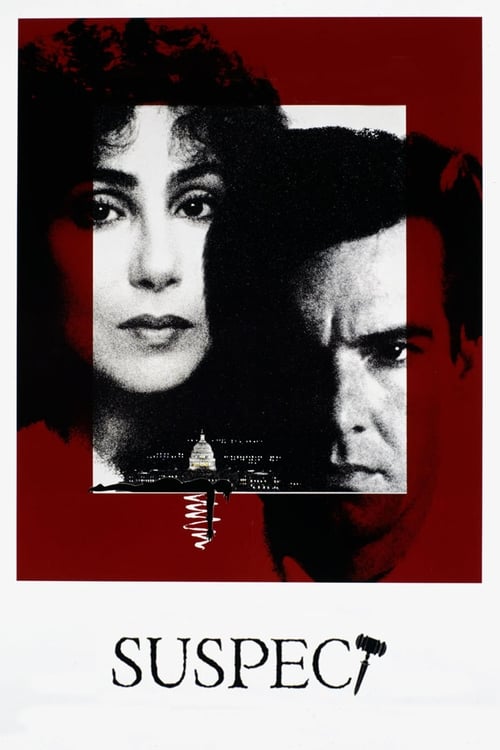
The film does not meaningfully represent physical or neurodivergent disabilities. A child's disability is used merely as a narrative device.

1986
PG-13There are no significant depictions of visible or invisible disabilities among the main characters.
There are no significant depictions of physical or neurodivergent disabilities within the film's narrative.
The film does not include characters with visible or invisible disabilities as central figures. Physical vulnerability is used as a plot device rather than representing disability.
There is no significant portrayal of physical or neurodivergent disabilities in the main storyline.
The film does not depict any visible or invisible disabilities. Characters are defined by their physical abilities and tactical skills.
There is no representation of physical or neurodivergent disabilities. Characters are defined solely by peak physical capability and strength.
There is no representation of physical or invisible disabilities. The film does not engage with neurodivergence or disability within its character studies.
The film does not significantly address visible or invisible disabilities. Characters are defined by their immortality rather than by neurodivergence or physical impairments.