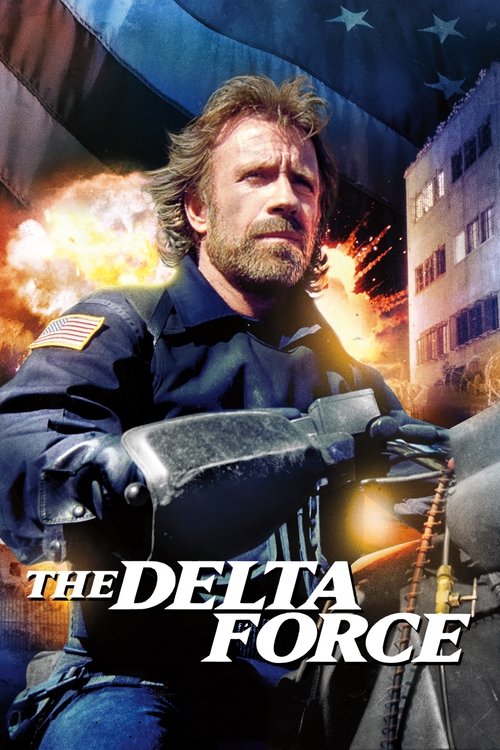
The Delta Force
1986
No user ratings available yet
Representation score: 0.3 out of 10
Representation Score
Minimal
1985
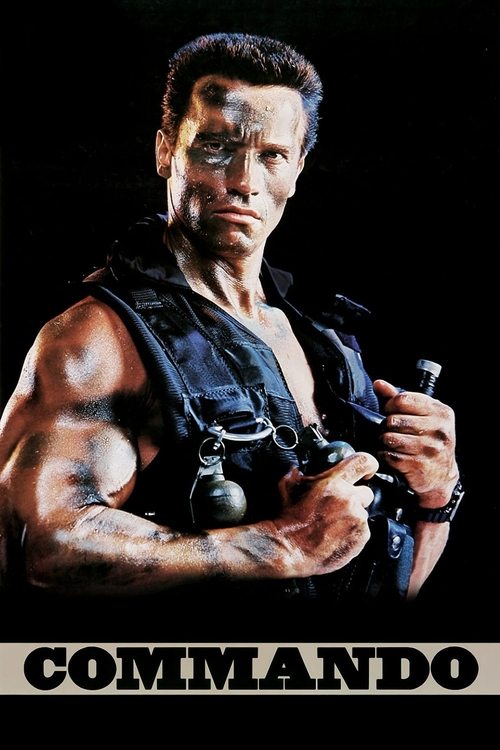
RDirector
Mark L. Lester
Runtime
90 minutes
Average Rating
No ratings yetNew Showbiz Analysis
Commando exemplifies 1980s action cinema, emphasizing hyper-masculine heroism and traditional social structures. The film relies on established clichés of the 'one-man army,' centering the plot on a singular male protagonist's physical dominance. Gender roles are rigid, with women serving as objects to be rescued or reactionary supporting characters. Racial diversity is limited to secondary henchmen, reinforcing existing homogeneity. Ultimately, the film celebrates individualistic justice, avoiding any deconstruction of social norms and focusing on personal grievance and extreme violence as a justified response.
Category Breakdown
The film does not include any LGBTQ+ characters or explore non-straight relationships. It operates within an assumption that everyone is straight or cisgender.
The story emphasizes traditional gender roles through hyper-masculine archetypes. Female characters are mostly plot catalysts or secondary figures, defined by their relationship to the male lead.
Casting is predominantly homogeneous, reflecting 1980s industry standards. Diverse individuals appear as mercenaries but lack significant roles and function as secondary antagonists.
The narrative celebrates individualistic vigilantism and a 'might makes right' moral framework. It prioritizes personal retribution over systemic or communal justice.
There is no representation of physical or neurodivergent disabilities. Characters are defined solely by peak physical capability and strength.
Present on Screen
Limited or Absent
Official Synopsis
John Matrix, the former leader of a special commando strike force that always got the toughest jobs done, is forced back into action when his young daughter is kidnapped. To find her, Matrix has to fight his way through an array of punks, killers, one of his former commandos, and a fully equipped private army. With the help of a feisty stewardess and an old friend, Matrix has only a few hours to overcome his greatest challenge: finding his daughter before she's killed.
1986

1971
1996
1980

1988
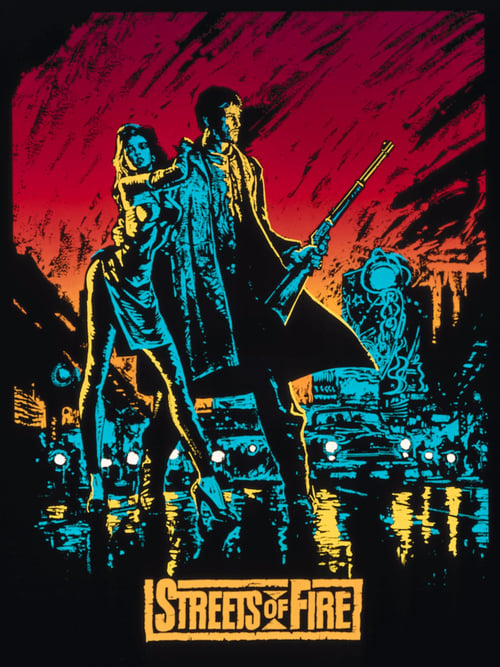
1984

1985

1966
No reviews yet. Be the first to share your thoughts on this movie!
Use the rating form above to leave a star rating and optional review.