
Blues Brothers 2000
1998
No user ratings available yet
Representation score: 2.3 out of 10
Representation Score
Limited
1980
RDirector
John Landis
Runtime
133 minutes
Average Rating
5.0 ★Total Ratings
1
New Showbiz Analysis
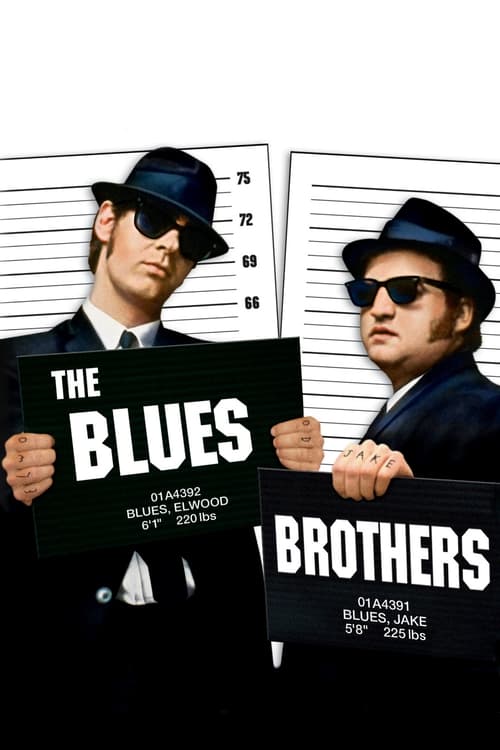
The Blues Brothers combines traditional masculine themes with a celebration of Black musical heritage. While it upholds conventional gender roles, it shifts away from a white-centric focus by emphasizing African American musical traditions. The film's strength lies in its critique of authority figures and institutions. By positioning the protagonists as outsiders fighting corrupt systems, it promotes a narrative of liberation through situational ethics. However, the film falls short in representing LGBTQ+ identities and disability, focusing narrowly on the central male brotherhood.
Category Breakdown
The film does not include any LGBTQ+ characters or explore non-straight relationships. The story centers around the male bond between the two main characters.
The story focuses on male-driven action and brotherhood. Female characters play supporting roles that mainly support the central male storyline.
The film highlights African American musical traditions and features a significant cast of Black soul and R&B legends. This gives Black artists important cultural roles.
The story frames systemic issues as divine missions, critiquing Western institutions by portraying police and government as antagonists.
The film does not depict any characters with visible or invisible disabilities. There are no central plot devices involving characters with disabilities.
Present on Screen
Limited or Absent
Official Synopsis
Jake Blues, just released from prison, puts his old band back together to save the Catholic home where he and his brother Elwood were raised.
1998
1982
1991
1988

1974

1994
1978
1994
dj_del
4/22/2026
1 of my favorite movies of all time. Back when you could make REAL movies.