
My Left Foot: The Story of Christy Brown
1989
No user ratings available yet
Representation score: 6.0 out of 10
Representation Score
Fair
1962
NRDirector
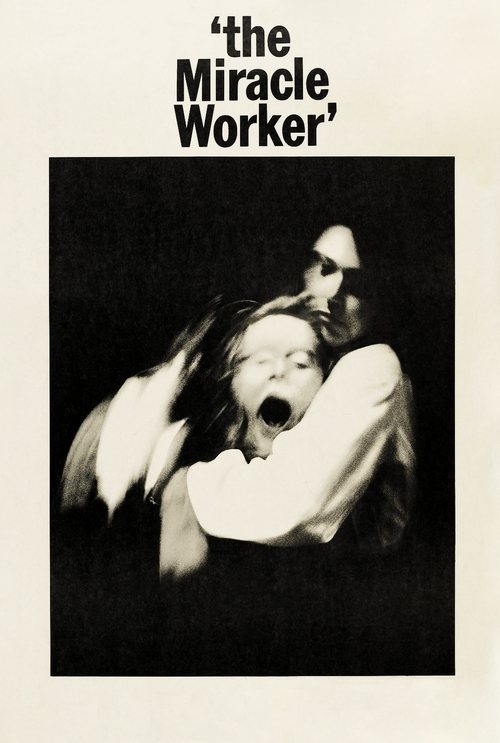
Arthur Penn
Runtime
106 minutes
Average Rating
No ratings yetNew Showbiz Analysis
The film excels in portraying the sensory experiences of disability and challenging traditional gender roles. Annie Sullivan's role as a professional catalyst offers a powerful counter-narrative to conventional female roles of the time. However, the historical setting limits the film's ability to represent LGBTQ+ identities or racial diversity. The narrative remains centered on a homogeneous cast, reducing opportunities for broader multi-layered exploration. Overall, the film's strength lies in its psychological depth and its ability to challenge social structures through individual ability to act, despite its narrow demographic focus.
Category Breakdown
The film does not include any LGBTQ+ characters or explore non-straight relationships. The story is set in the 19th century and focuses on the interactions between the main characters without addressing LGBTQ+ identities.
Annie Sullivan stands out due to her intelligence and authoritative role. She challenges traditional gender roles by demonstrating professional competence rather than domestic subservience. Her influence drives much of the plot.
The film accurately depicts the demographics of late 19th-century Alabama. However, it does not actively highlight or integrate racial diversity into the narrative.
The story questions traditional Western institutions such as the nuclear family. It criticizes permissive parenting styles, presenting Sullivan's unorthodox methods as essential for empowering individuals against established social norms.
Helen Keller's deaf-blindness is portrayed as a complex, lived experience rather than a source of pity. The film avoids inspirational clichés by focusing on the challenging, psychological struggle for autonomy.
Present on Screen
Limited or Absent
Official Synopsis
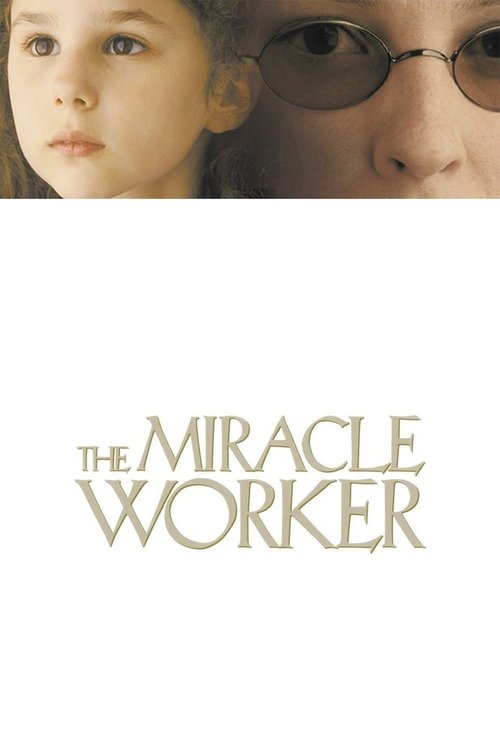
The true story of the frightening, lonely world of silence and darkness of 7-year-old Helen Keller who, since infancy, has never seen the sky, heard her mother's voice or expressed her innermost feelings. Then Annie Sullivan, a 20-year-old teacher from Boston, arrives. Having just recently regained her own sight, the no-nonsense Annie reaches out to Helen through the power of touch, the only tool they have in common, and leads her bold pupil on a miraculous journey from fear and isolation to happiness and light.
1989
1986
1979

1990
1990

1992
2000

2011
No reviews yet. Be the first to share your thoughts on this movie!
Use the rating form above to leave a star rating and optional review.