
The Addiction
1995
No user ratings available yet
Representation score: 7.8 out of 10

Representation Score
Limited
1978
RDirector
George A. Romero
Runtime
95 minutes
Average Rating
No ratings yetNew Showbiz Analysis
George A. Romero’s *Martin* deconstructs horror clichés by replacing supernatural myth with psychological delusion. The film moves away from binary morality to explore the fragility of social structures and mental health. While the film lacks demographic diversity, particularly regarding racial and LGBTQ+ representation, it excels in its sophisticated handling of neurodivergence. It treats the protagonist's mental state as a central, driving force rather than a caricature. Ultimately, the film's strength lies in its postmodern critique of communal structures and its refusal to rely on traditional genre formulas, even as it remains set within a very homogeneous social environment.
Category Breakdown
The film does not include any LGBTQ+ characters or non-straight relationships. The interpersonal dynamics revolve around a traditional family structure with conflicts.
Gender roles are examined through domestic labor and caregiving responsibilities. Ruth's character provides a stabilizing influence, but the film does not challenge traditional gender hierarchies.
The story focuses on a homogeneous, insular community in a gritty Pittsburgh setting. There is a noticeable lack of racial diversity among the main characters.
The film critiques the stability of Western urban life through a decaying, post-industrial backdrop. It uses moral relativism to challenge singular, traditional moralities.
The story offers a complex and nuanced portrayal of neurodivergence. It centers the protagonist's internal reality, giving him psychological control rather than using his condition as a simple plot device.
Present on Screen
Limited or Absent
Official Synopsis
A young man, convinced he's a vampire, goes to live with his elderly and hostile cousin in a small Pennsylvanian town, where he tries to suppress his bloodlust.
1995

1936

1983

1990

2004
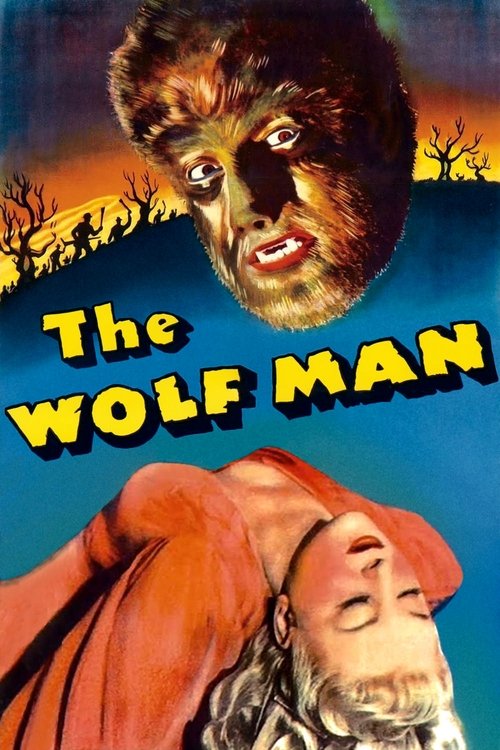
1941
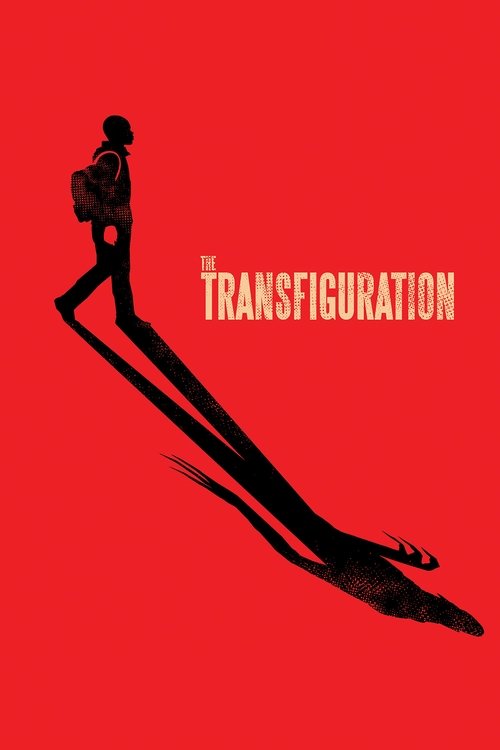
2016
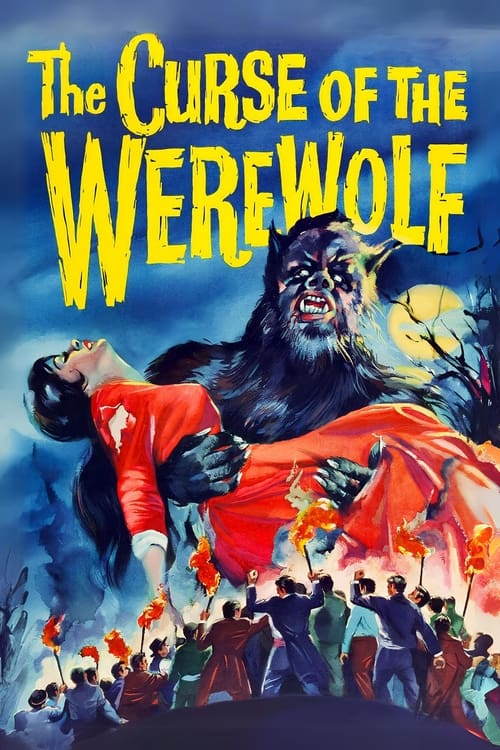
1961
No reviews yet. Be the first to share your thoughts on this movie!
Use the rating form above to leave a star rating and optional review.