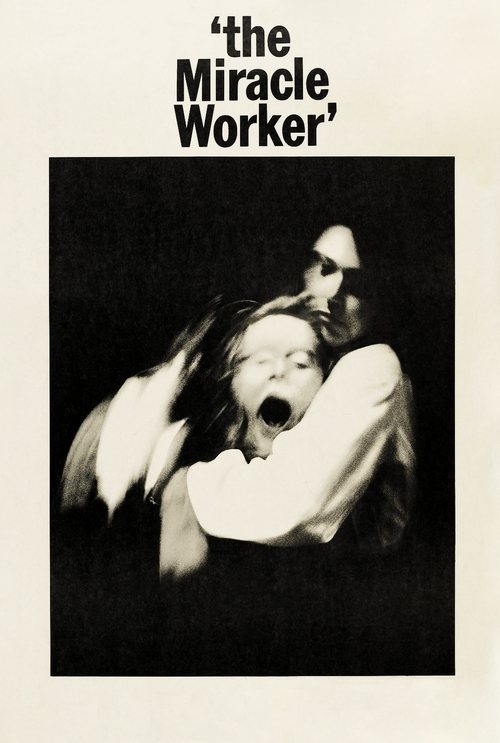
The Miracle Worker
1962
No user ratings available yet
Representation score: 5.9 out of 10

Representation Score
Good
1989
RDirector
Jim Sheridan
Runtime
103 minutes
Average Rating
No ratings yetNew Showbiz Analysis
The film stands out by focusing on the intellectual and creative abilities of a protagonist with cerebral palsy. It avoids the 'helpless victim' stereotype, instead emphasizing the conflict between personal determination and societal barriers. While the narrative provides a sophisticated look at religious and class-based oppression, it is confined by its historical context. The absence of diverse racial and LGBTQ+ representation reflects the mid-century Irish setting rather than intentional exclusion. Overall, the film’s strength lies in its portrayal of disability as more than just inspiration. It highlights the protagonist's struggles to challenge traditional able-bodied societal norms.
Category Breakdown
The film does not include any LGBTQ+ characters or stories that challenge the idea that everyone is straight. It focuses on a mid-20th-century Irish setting without questioning typical views on sexuality.
The story challenges traditional gender roles by highlighting the mother's emotional and intellectual contributions. She plays a key role in empowering the main character and helping her overcome obstacles.
Set in a working-class area of Dublin, the film shows a mostly uniform Irish population. There is little diversity, which reflects the historical and class-based context of the time.
The narrative criticizes the Catholic Church and strict social structures as limiting factors. It emphasizes personal freedom over the constraints imposed by religion and institutions.
The film presents cerebral palsy as a complex obstacle to independence without falling into sentimentality. Christy Brown is a central figure whose intelligence and artistry shape the story.
Present on Screen
Limited or Absent
Official Synopsis
No one expects much from Christy Brown, a boy with cerebral palsy born into a working-class Irish family. Though Christy is a spastic quadriplegic and essentially paralyzed, a miraculous event occurs when, at the age of 5, he demonstrates control of his left foot by using chalk to scrawl a word on the floor. With the help of his steely mother — and no shortage of grit and determination — Christy overcomes his infirmity to become a painter, poet and author.
1962
1992
2009

2013

2008

2019

2016
2003
No reviews yet. Be the first to share your thoughts on this movie!
Use the rating form above to leave a star rating and optional review.