
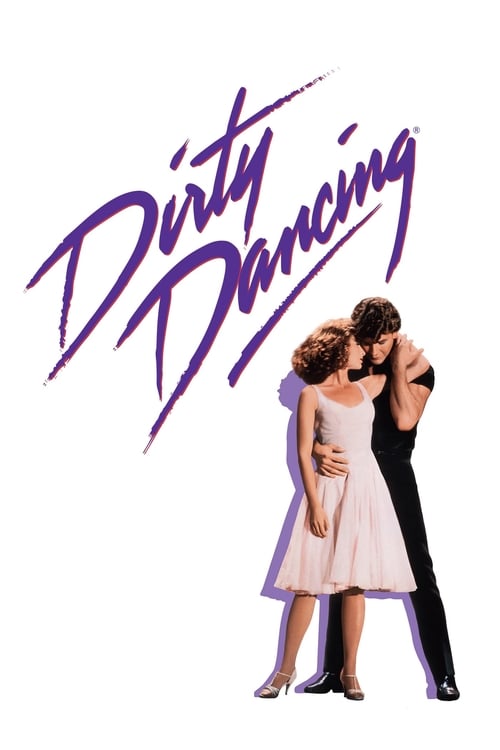
Dirty Dancing
2017
No user ratings available yet
Representation score: 6.0 out of 10
Representation Score
Limited
1987
PG-13Director
Emile Ardolino
Runtime
100 minutes
Average Rating
No ratings yetNew Showbiz Analysis
Dirty Dancing is a character-driven exploration of class conflict and personal empowerment. Its main strength lies in its deconstruction of social norms and the empowerment of its female protagonist, Baby, who faces moral dilemmas with independence. However, the film remains limited by the demographic norms of its era, lacking LGBTQ+ representation and maintaining a largely homogeneous racial profile focused on socioeconomic status rather than ethnic diversity. Ultimately, the film succeeds in critiquing institutional rigidity by highlighting the tension between the resort guests and the dancers, promoting personal expression over class-based rules.
Category Breakdown
The film does not include any LGBTQ+ characters or non-straight relationships. The romantic storyline centers around a traditional heterosexual couple set in the 1960s.
Baby Houseman challenges traditional gender roles by taking a leading role in driving the story. Johnny Castle breaks down typical masculine stereotypes through his portrayal of vulnerability.
The cast is predominantly white, reflecting the social norms of the time. While economic differences are a key theme, there is no significant focus on racial diversity.
The story critiques classism by contrasting rigid, wealthy institutions with an authentic working-class community. It emphasizes individual authenticity over strict social structures.
The film does not prominently feature characters with visible or invisible disabilities. There is no significant representation in this area.
Present on Screen
Limited or Absent
Official Synopsis
Expecting the usual tedium that accompanies a summer in the Catskills with her family, 17-year-old Frances 'Baby' Houseman is surprised to find herself stepping into the shoes of a professional hoofer—and unexpectedly falling in love.
2017
1952

2003

1985

2011
1980
2004
1983
No reviews yet. Be the first to share your thoughts on this movie!
Use the rating form above to leave a star rating and optional review.