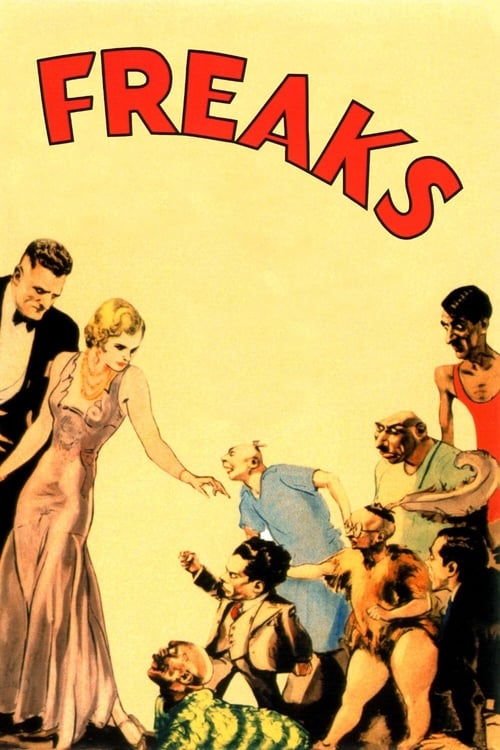
Freaks
1932
NRNo user ratings available yet
Representation score: 9.2 out of 10
These lists use approved disability representation scores for Golden Age films (1930s-1950s) that have written notes. Highest-scoring films are those whose notes describe more on-screen disability representation. Lowest-scoring films are those whose notes describe little or none. Neither list is a quality ranking.
By casting actual performers with physical disabilities, the film avoids using disability merely as a visual element. These characters play key roles in driving the story’s resolution.
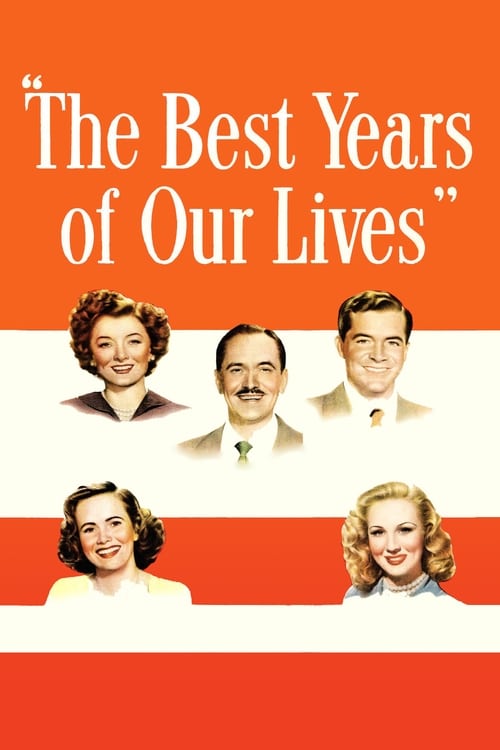
Homer Parrish's portrayal of physical disability is nuanced, exploring his loss of control and the psychological impact of his amputated leg without being overly sentimental.
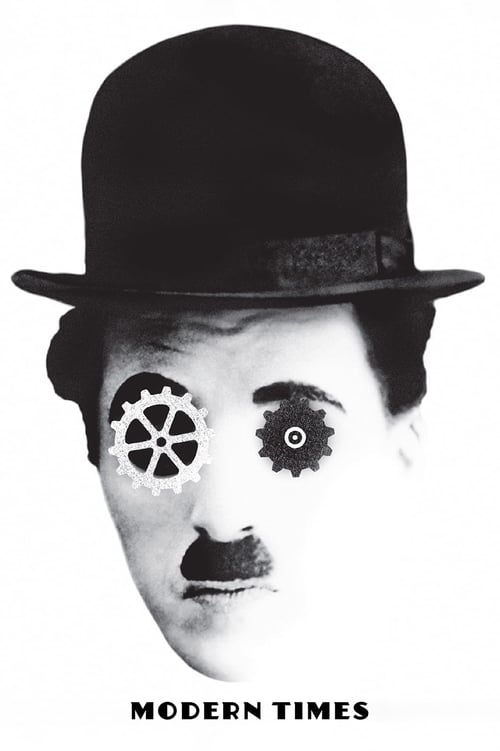
The Tramp’s breakdown from repetitive labor provides a nuanced look at mental health. His psychological fracture is treated as a logical consequence of an inhuman environment rather than a joke.
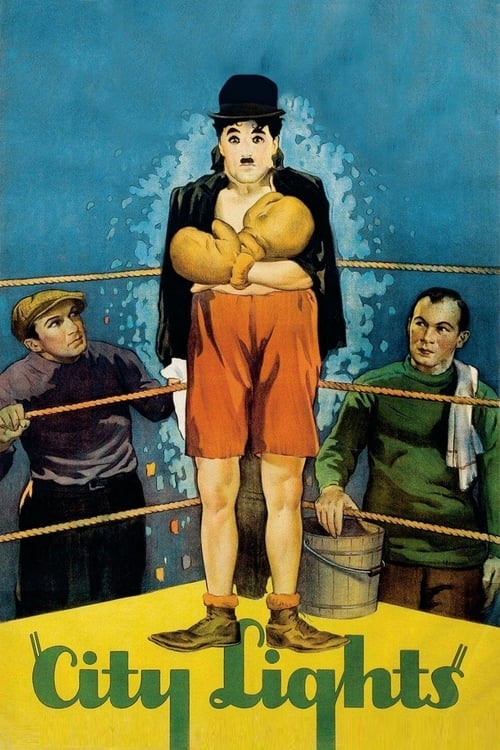
The story centers on the flower girl's visual impairment with genuine emotion. It avoids mocking her condition and focuses on the economic barriers to her care.
The protagonist is a one-armed war veteran. His disability is treated as a functional reality rather than a source of pity or a miraculous plot device.
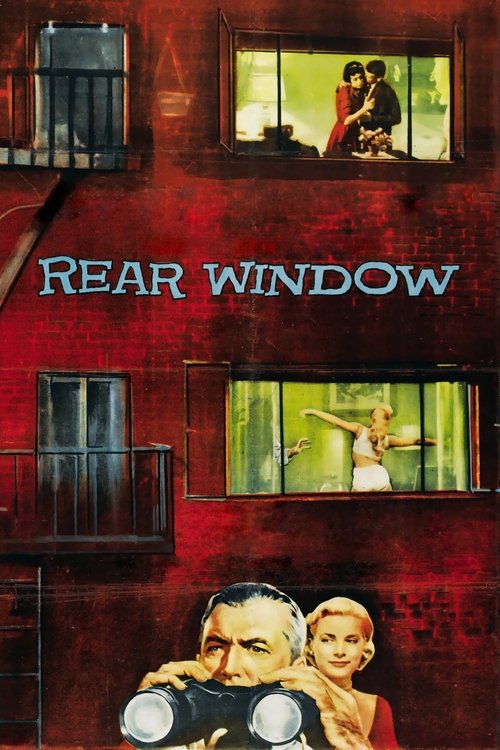
Jefferies' physical confinement drives the plot without resorting to inspirational stories. His intellect and observational skills maintain his ability to act despite his lack of mobility.
Dude’s struggle with alcoholism and physical tremors is treated with narrative depth. The film presents a nuanced look at vulnerability and resilience rather than mockery.
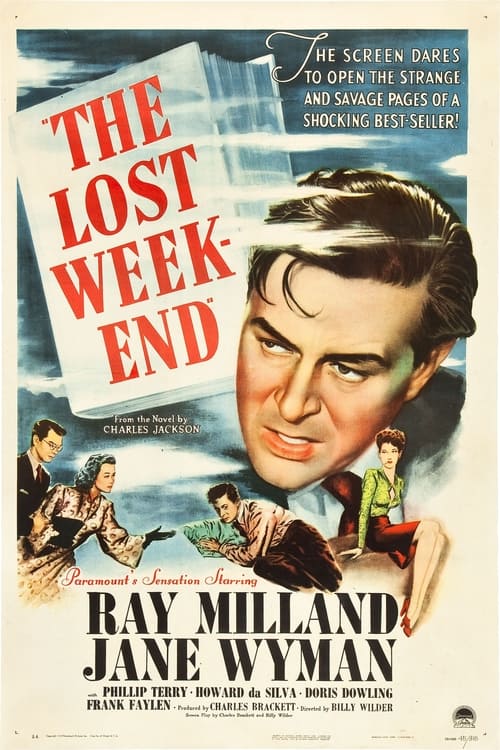
The film provides a realistic portrayal of alcoholism as a non-visible disability. It uses expressionistic techniques to depict the protagonist's psychological and neurological struggles without offering a simple resolution.
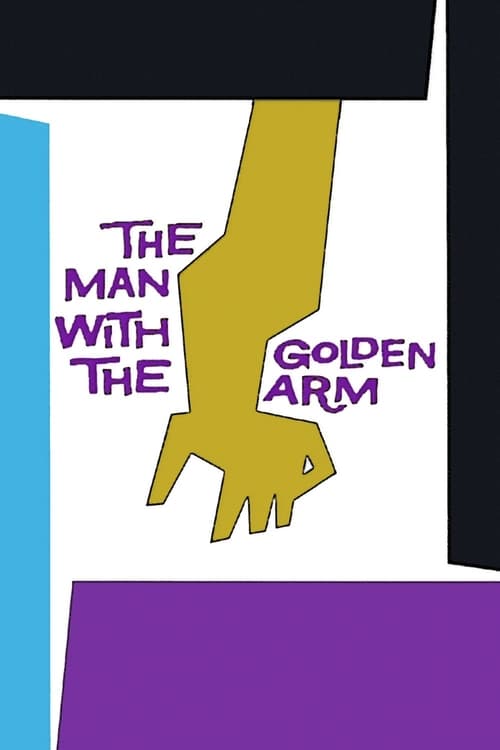
Addiction is shown as a chronic, debilitating condition with realistic portrayals. The film avoids melodrama, presenting the struggle as a complex, lived experience with the protagonist taking control.
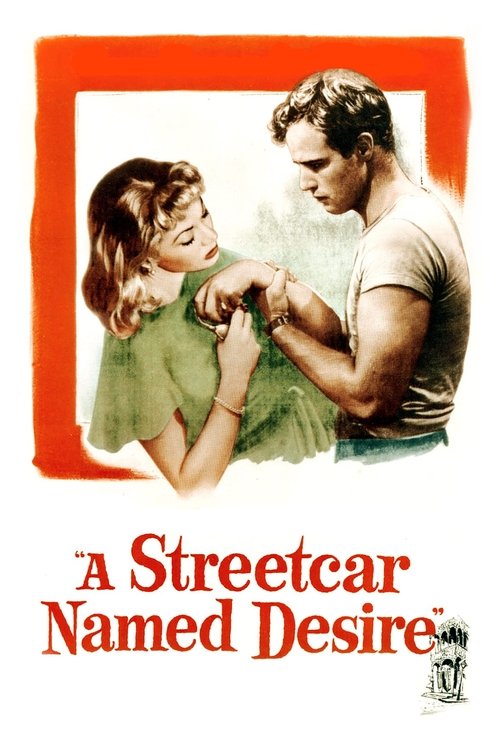
Blanche DuBois’s mental decline is central to the plot, used to criticize a society that punishes those who cannot maintain a facade of normalcy.
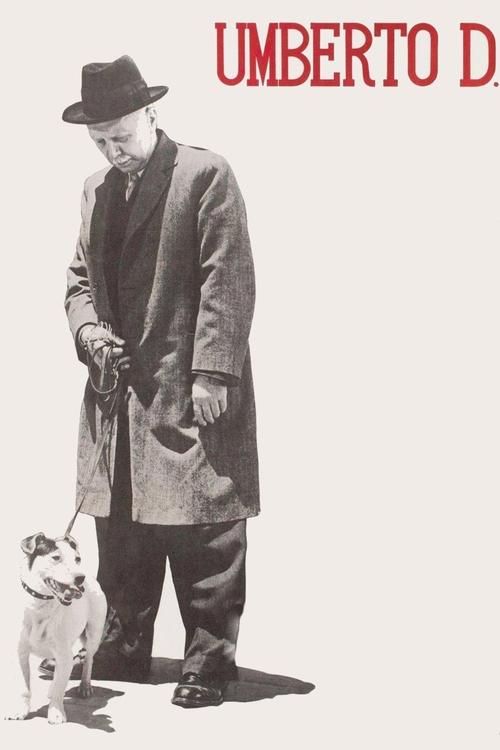
The film examines the hidden disability of age-related frailty and poverty. It handles the protagonist's decline with dignity, avoiding clichés by depicting the unglamorous reality of elderly vulnerability.
Tuberculosis is a key theme, used to explore the idea of decay. The character's declining health highlights the struggle for personal ability to act in the face of biological decline.
The protagonist's chronic illness is central to his identity and spiritual journey. His physical decline is used to explore existential themes rather than serving as mere inspiration.
There are no visible or invisible disabilities portrayed as central to the character arcs or plot development.
Characters with disabilities are not featured in the main storyline.
There are no significant portrayals of physical or neurodivergent disabilities in the main storyline.
The film does not depict any visible or invisible disabilities. Characters face challenges related to survival and loss, rather than physical or neurological conditions.
The film does not feature prominent characters with visible or invisible disabilities. Disability is not used as a central plot device or for mockery.
The character roster contains no visible or invisible disabilities. The narrative does not engage with physical or neurodivergent themes.
Magical curses serve as plot devices without meaningful representation of characters with actual physical or neurodivergent disabilities.
There are no prominent depictions of visible or invisible disabilities among the main characters or within the central storyline.
There is no significant or meaningful depiction of physical or neurodivergent disabilities within the primary narrative arc.
The film does not include characters with visible or invisible disabilities as central to the narrative.
The film does not feature any significant depictions of physical or neurodivergent disabilities as central character traits or plot devices.
There are no significant portrayals of physical, sensory, or neurodivergent disabilities. Characters are depicted within the typical able-bodied range of the musical genre.
There are no significant portrayals of physical or neurological disabilities in the film.
The film does not feature any characters with visible or invisible disabilities. Neurodivergence or chronic illnesses are not used as central traits or plot devices.
The narrative does not feature characters with visible or invisible disabilities as central elements.
No characters with visible or invisible disabilities are central to the story's arc.
There are no visible or invisible disabilities that play a central role in the character arcs. Disability is not used as a narrative device in this story.
There are no visible or invisible disabilities portrayed within the main character arcs.
The film does not include characters with visible or invisible disabilities as central drivers of the plot.
There are no prominent depictions of disabilities that play a key role in the narrative or define central characters.
The film does not prominently feature characters with visible or invisible disabilities.
No visible or invisible disabilities are portrayed as central to character arcs. Characters with disabilities are not used as narrative devices.
There are no visible or invisible disabilities shown in the characters' stories.
The film does not depict any visible or invisible disabilities. Characters are characterized primarily by their psychological traits rather than physical or neurological conditions.
There are no visible or invisible disabilities depicted, nor are any characters used as plot devices related to physical or mental health issues.
There are no significant depictions of visible or invisible disabilities. No characters with disabilities are used as central plot devices in the narrative.
The film does not include characters with visible or invisible disabilities as part of its main narrative or character development.
The film does not include characters with visible or invisible disabilities as central figures.
There are no significant representations of visible or invisible disabilities in the film.
There are no characters with visible or invisible disabilities in the film. No meaningful representation of disabilities is present in the narrative.
The main storyline does not feature characters with visible or invisible disabilities.
There are no prominent characters with physical or neurodivergent disabilities that play a key role in the story.
There are no significant portrayals of physical or neurodivergent disabilities that play a key role in the narrative or define central characters.
There are no prominent depictions of physical or neurodivergent disabilities that play central roles in the narrative.
The film does not feature characters with disabilities as central to the narrative.
There are no visible or invisible disabilities featured prominently as central plot devices or character traits.
There are no significant portrayals of individuals with visible or invisible disabilities that influence the plot or provide meaningful character development.
There are no prominent depictions of physical or neurodivergent disabilities that drive the narrative.
There are no significant depictions of physical or neurodivergent disabilities within the primary character arcs.
The film explores intense psychological instability as a plot driver. However, it does not depict specific physical or neurodivergent disabilities.
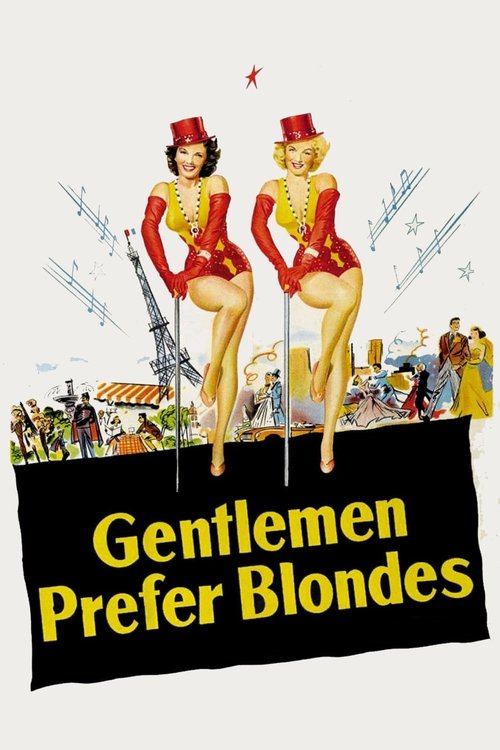
1953
ApprovedThe film does not include any characters with visible or invisible disabilities.
The film does not prominently depict physical or neurodivergent disabilities. No character arcs are defined by sensory or mental health conditions.
There are no significant representations of visible or invisible disabilities in the narrative.
There is no visible or invisible disability representation. Characters are portrayed through the lens of able-bodied social archetypes.
The film does not include characters with visible or invisible disabilities as central to the narrative.
There are no depictions of visible or invisible disabilities, neurodivergence, or chronic illnesses within the narrative.
There are no prominent depictions of visible or invisible disabilities used as central character traits.
There are no significant portrayals of physical or neurodivergent disabilities among the main characters.
There are no specific depictions of physical or neurodivergent disabilities in the film. Memory trauma is a theme, but it does not qualify for a specific disability score.
The film does not show any visible or significant representations of physical or neurodivergent disabilities.