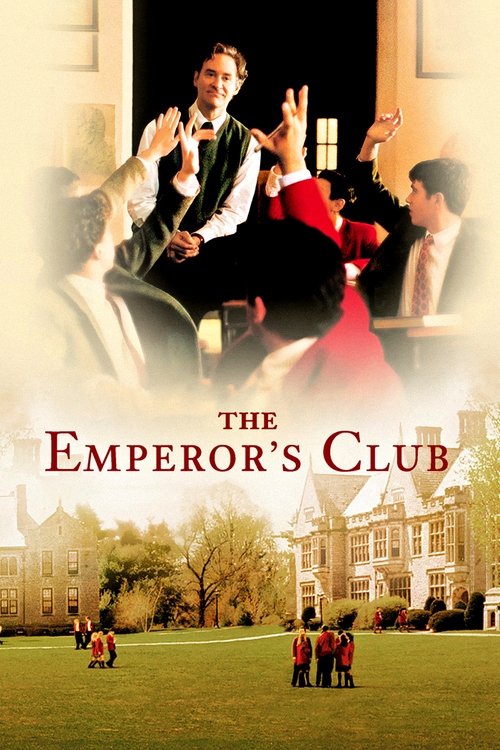
The Emperor's Club
2002
No user ratings available yet
Representation score: 0.3 out of 10
Representation Score
Minimal
1989
PGDirector
Peter Weir
Runtime
129 minutes
Average Rating
No ratings yetNew Showbiz Analysis
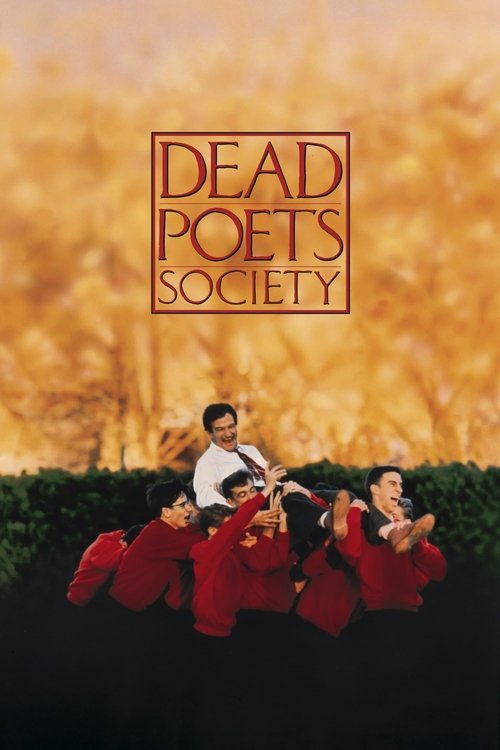
Dead Poets Society is a character-driven exploration of individualism versus institutionalism. While the film effectively deconstructs the authority of conservative academic and parental structures, it remains demographically narrow. The setting of an elite, all-male 1959 boarding school inherently limits the scope of representation. The narrative centers on a homogeneous white, upper-class demographic, resulting in low scores for racial and gender diversity. Ultimately, the film's strength lies in its cultural critique of conformity. It prioritizes the rebellion of the individual against the collective, though it does so within a very specific and limited social framework.
Category Breakdown
The film focuses on friendships and mentorship within an all-male academy. It does not explicitly address LGBTQ+ identities or same-sex relationships.
Set in a patriarchal boarding school, there are almost no female characters. The story examines the pressures of traditional masculinity and strict patriarchal expectations.
The cast is made up of a homogeneous white, upper-class group typical of 1959 New England. There is no significant racial or ethnic diversity among the students or faculty.
The narrative criticizes rigid Western institutions and stifling family traditions. It encourages students to find personal truth through art rather than following institutional rules.
The main character arcs do not prominently feature visible or invisible disabilities.
Present on Screen
Limited or Absent
Official Synopsis
At an elite, old-fashioned boarding school in New England, a passionate English teacher inspires his students to rebel against convention and seize the potential of every day, courting the disdain of the stern headmaster.
2002

1968
1988
1967

1989

1955

1995
1969
No reviews yet. Be the first to share your thoughts on this movie!
Use the rating form above to leave a star rating and optional review.