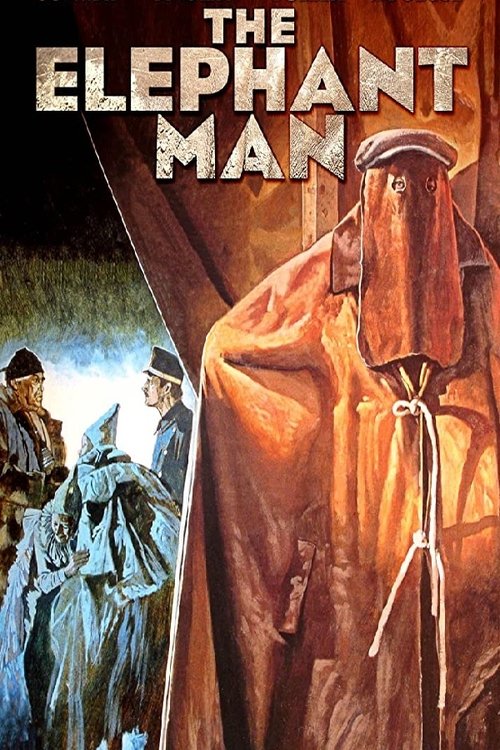
The Elephant Man
1982
No user ratings available yet
Representation score: 4.3 out of 10
Representation Score
Fair
1980
PGDirector
David Lynch
Runtime
124 minutes
Average Rating
No ratings yetNew Showbiz Analysis
David Lynch's direction focuses on the margins of social acceptability, centering the narrative on the profound humanity of a underrepresented figure. The film's greatest strength lies in its refusal to treat disability merely as a plot device, instead using it to challenge societal norms. While the film excels in its portrayal of physical difference and its critique of institutional cruelty, it remains limited by its historical setting. The lack of racial and LGBTQ+ diversity reflects the era's social structures rather than a modern inclusive lens. Ultimately, the film shifts the focus from individual monstrosity to the systemic monstrosity of a society that commodifies human suffering for profit.
Category Breakdown
The film adheres to a traditional Victorian framework and does not include explicit LGBTQ+ characters or narratives that question the assumption that everyone is straight or cisgender.
Female characters play key roles in providing emotional support and care. However, the narrative is dominated by a male-centric medical and scientific establishment.
Set in Victorian London, the film portrays a predominantly white society. The focus is on class and physical differences rather than ethnic diversity.
The story provides a sophisticated critique of Victorian institutions. It highlights the capitalist exploitation within the 'freak show' industry.
The film centers on Joseph Merrick's profound intellect and ability to act, using his condition to critique the voyeuristic nature of the 'normal' world.
Present on Screen
Limited or Absent
Official Synopsis
A Victorian surgeon rescues a heavily disfigured man being mistreated by his "owner" as a side-show freak. Behind his monstrous façade, there is revealed a person of great intelligence and sensitivity.
1982
1962
2013
1959

2013

1970

2010
1956
No reviews yet. Be the first to share your thoughts on this movie!
Use the rating form above to leave a star rating and optional review.