Hairspray
2007
No user ratings available yet
Representation score: 9.7 out of 10
Representation Score
Excellent
1988
PGDirector
John Waters
Runtime
92 minutes
Average Rating
No ratings yetNew Showbiz Analysis
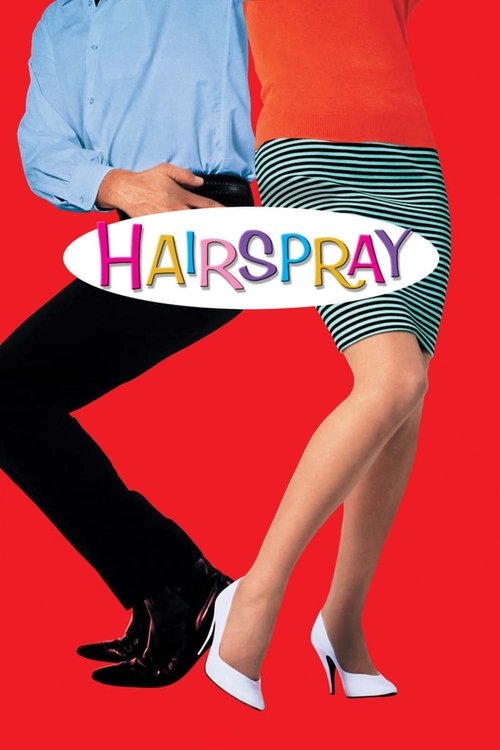
John Waters uses his signature camp aesthetic to challenge 1960s social hierarchies. The film excels by making racial integration and the subversion of gendered beauty standards its central narrative engines. Rather than treating diversity as a background element, the story centers on the ability to act of underrepresented characters. However, the film remains limited in its LGBTQ+ representation, sticking to heterosexual romance. While it champions body positivity and racial progress, it lacks explicit queer identities or non-assuming gender matches what was assigned at birth gender depictions. Ultimately, the work is a sophisticated critique of exclusionary social structures, using a plus-sized protagonist and the fight for integration to challenge the era's oppressive status quo.
Category Breakdown
The film focuses on heterosexual relationships and does not feature explicit LGBTQ+ characters or depictions of queer identity. There are no prominent LGBTQ+ roles, but the camp aesthetic may resonate with queer audiences.
Tracy Turnblad is a proactive protagonist who drives the plot through her own ambition. The film challenges traditional gender hierarchies by centering female-driven social dynamics and questioning mid-century beauty standards.
The film centers on racial integration, focusing on the deconstruction of segregation. Characters of color like Seaweed J. Stubbs play significant roles within the narrative, contributing to the story's progression.
The narrative critiques mid-century American institutions and segregationist norms. It prioritizes the disruption of the status quo by youth culture and outsider groups over traditional social hierarchies.
The film addresses body image through a lens of self-acceptance and empowerment. By centering a plus-sized protagonist, it challenges conventional physical norms and standard body types.
Present on Screen
Limited or Absent
Official Synopsis
'Pleasantly plump' teenager Tracy Turnblad achieves her dream of becoming a regular on the Corny Collins Dance Show. Now a teen hero, she starts using her fame to speak out for the causes she believes in, most of all integration. In doing so, she earns the wrath of the show's former star, Amber Von Tussle, as well as Amber's manipulative, pro-segregation parents. The rivalry comes to a head as Amber and Tracy vie for the title of Miss Auto Show 1963.
2007

2018

1992
1985
1990
1986
1990
1985
No reviews yet. Be the first to share your thoughts on this movie!
Use the rating form above to leave a star rating and optional review.