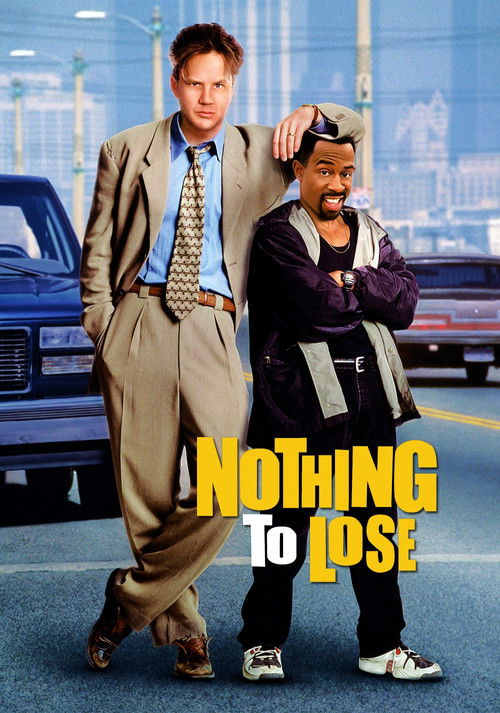
Nothing to Lose
1997
No user ratings available yet
Representation score: 2.0 out of 10

Representation Score
Limited
1989
RDirector
Arthur Hiller
Runtime
102 minutes
Average Rating
No ratings yetNew Showbiz Analysis
The film is a specialized character study that succeeds by centering its narrative on unconventional protagonists. By placing characters with significant sensory disabilities at the heart of the action, it moves away from standard able-bodied hero archetypes and grants them genuine ability to act. While the film excels in disability representation and offers a nuanced look at multi-layered identity through its diverse lead pairing, it remains limited by traditional structures. The lack of gender diversity and LGBTQ+ presence keeps the film anchored in a conventional, male-dominated framework. Ultimately, the work is a progressive step for disability representation, even as it adheres to standard Western crime-comedy clichés and traditional gender dynamics.
Category Breakdown
The film does not include any LGBTQ+ characters or explore non-straight identities. The story focuses solely on the sensory-impaired protagonists and their immediate surroundings.
The narrative centers around male characters, giving them significant control over the story. Female characters are limited to supporting roles and do not challenge traditional gender roles.
The pairing of Richard Pryor and Chazz Palminteri provides meaningful racial representation. Their cross-racial alliance uses shared disability to bridge their different ethnic backgrounds.
The film operates within a standard Western crime-comedy framework. It does not provide a systemic critique of religion, capitalism, or broader societal institutions.
This is the film's standout element, focusing on deaf and blind protagonists. They have high ability to act, using their unique perspectives to navigate a world built for the able-bodied.
Present on Screen
Limited or Absent
Official Synopsis
A murder takes place in the shop of David Lyons, a deaf man who fails to hear the gunshot being fired. Outside, blind man Wally Karue hears the shot, but cannot see the perpetrator. Both are arrested, but escape to form an unlikely partnership. Being chased by both the law AND the original killers, can the pair work together to outwit them all?
1997

1982

1989
1990
2004
1955
1985

1986
No reviews yet. Be the first to share your thoughts on this movie!
Use the rating form above to leave a star rating and optional review.