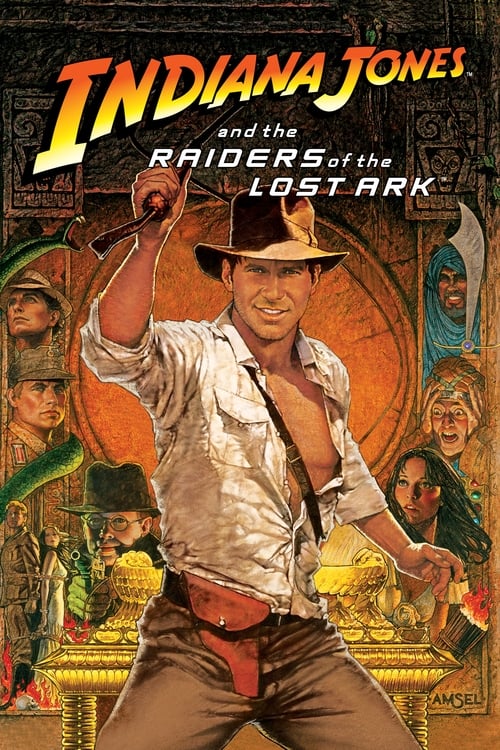
Raiders of the Lost Ark
1981
No user ratings available yet
Representation score: 4.8 out of 10
Representation Score
Limited
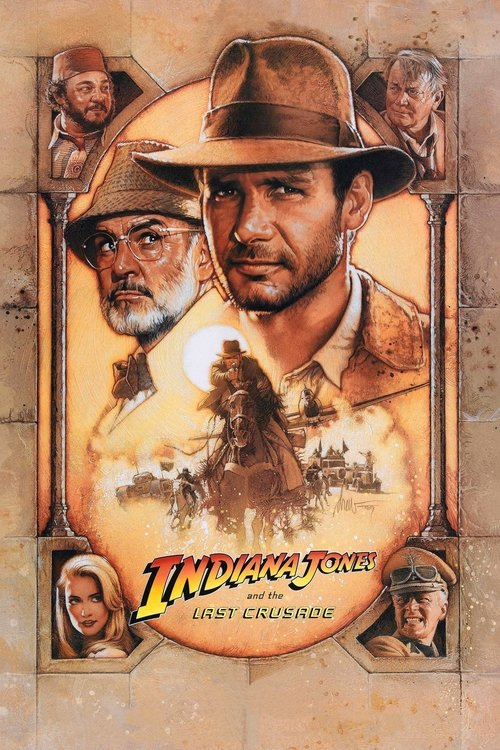
1989
PG-13Director
Steven Spielberg
Runtime
127 minutes
Average Rating
No ratings yetNew Showbiz Analysis
This adventure classic emphasizes traditional heroic archetypes and classical storytelling. It reinforces mid-20th-century social hierarchies rather than challenging them. While the film includes competent supporting characters of color and an intellectually capable female lead, the narrative structure remains male-centric. The world-building adheres to the era's social constraints and conventional gender expectations. Ultimately, the film excels as a genre piece but lacks diversity in its representation of identity, orientation, and social structures.
Category Breakdown
The film assumes everyone is straight and cisgender, with no visible presence of LGBTQ+ identities or same-sex relationships.
Dr. Elsa Schneider shows intellectual capability as an academic peer. However, the narrative shifts her toward romantic involvement, and the film fails the Bechdel test.
The cast is predominantly white, reflecting the 1938 setting. While Sallah demonstrates significant influence and competence, the ensemble remains largely uniform.
The Holy Grail is treated as a metaphysical puzzle rather than a tool for spreading religion. The story relies on a clear moral distinction against the Nazi regime.
No characters with visible or invisible disabilities are central to the narrative. Disability is not used as a plot device or subject of mockery.
Present on Screen
Limited or Absent
Official Synopsis
In 1938, an art collector appeals to eminent archaeologist Dr. Indiana Jones to embark on a search for the Holy Grail. Indy learns that a medieval historian has vanished while searching for it, and the missing man is his own father, Dr. Henry Jones Sr.. He sets out to rescue his father by following clues in the old man's notebook, which his father had mailed to him before he went missing. Indy arrives in Venice, where he enlists the help of a beautiful academic, Dr. Elsa Schneider, along with Marcus Brody and Sallah. Together they must stop the Nazis from recovering the power of eternal life and taking over the world!
1981

1939
1984

1985
2008
1973

2023
1961
No reviews yet. Be the first to share your thoughts on this movie!
Use the rating form above to leave a star rating and optional review.