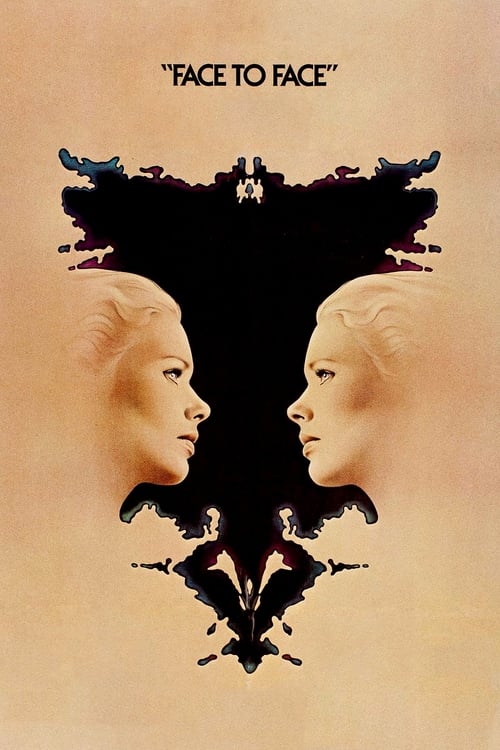
Face to Face
1976
No user ratings available yet
Representation score: 4.8 out of 10

Representation Score
Fair
1961
Not RatedDirector
Ingmar Bergman
Runtime
91 minutes
Average Rating
No ratings yetNew Showbiz Analysis
Through a Glass Darkly is a deeply psychological study that prioritizes existential inquiry over demographic variety. It succeeds in challenging traditional gendered and religious certainties, offering a sophisticated look at the female experience and spiritual skepticism. However, the film is limited by its extreme demographic homogeneity. It lacks racial and LGBTQ+ diversity, remaining tethered to a specific, white, middle-class Swedish context that offers little representation for broader identities. Ultimately, the film's value lies in its intellectual depth regarding neurodivergence and the deconstruction of traditional social structures, even if it lacks a diverse cast.
Category Breakdown
The film focuses on a nuclear family's psychological collapse and does not prominently feature LGBTQ+ identities. Minus experiences confusion about his sexuality, but the story does not explicitly represent non-straight relationships.
The story centers on Karin's psychological fragmentation, disrupting traditional gender roles. It avoids submissive archetypes and places the intellectual and emotional weight on the female protagonist.
Set in a remote Swedish coastal environment, the film reflects the demographic homogeneity of its setting. The cast consists of a white, middle-class Swedish family.
The narrative deconstructs Western religious institutions by portraying the search for divinity as a journey through silence. It presents the breakdown of the family through a post-traditionalist lens.
Karin’s mental illness is treated with significant narrative ability to act rather than as a passive tragedy. The film explores the complexity of her perceived reality without using reductive clichés.
Present on Screen
Limited or Absent
Official Synopsis
Karin hopes to recover from her recent stay at a mental hospital by spending the summer at her family's cottage on a tiny island. Her husband, Martin, cares for her but is frustrated by her physical withdrawal. Her younger brother, Minus, is confused by Karin's vulnerability and his own budding sexuality. Their father, David, cannot overcome his haughty remoteness. Beset by visions, Karin descends further into madness.
1976
1969
1972
1948

1966
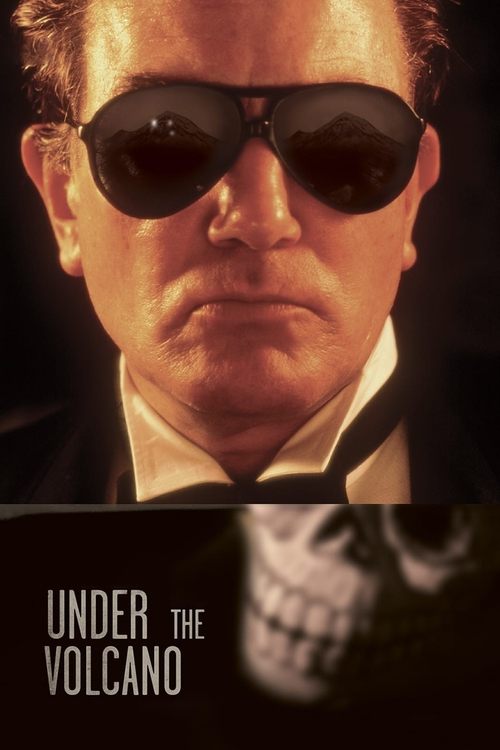
1984

1978

1974
No reviews yet. Be the first to share your thoughts on this movie!
Use the rating form above to leave a star rating and optional review.