Robin Hood
1985
No user ratings available yet
Representation score: 2.9 out of 10
Representation Score
Fair
1973
GDirector
Wolfgang Reitherman
Runtime
83 minutes
Average Rating
No ratings yetNew Showbiz Analysis
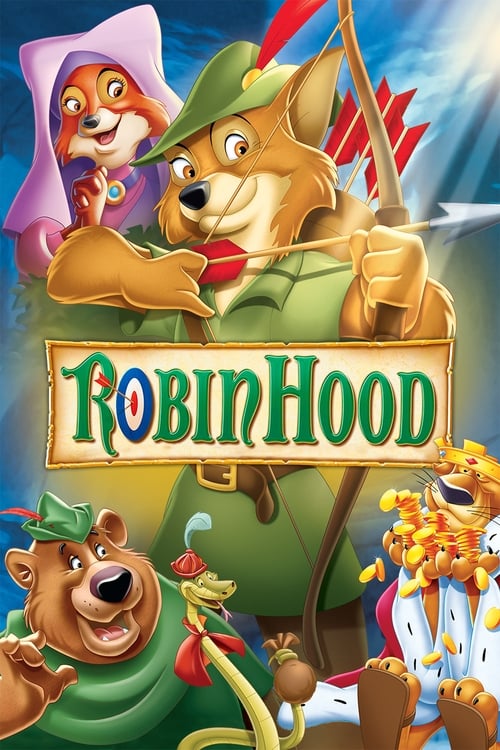
Robin Hood (1973) employs anthropomorphic characters to explore systemic inequality and the abuse of power. Though it lacks human-centric characters who reflect more than one aspect of diversity, it effectively dismantles class hierarchies through its narrative structure. The film highlights anti-aristocratic themes and grants a significant role in driving the story to female characters like Maid Marian. It redefines vigilantism as a means for social justice against oppressive institutions. However, the lack of LGBTQ+ identities and physical disability representation narrows its scope. Additionally, the reliance on species as a proxy for social status replaces traditional racial and ethnic diversity.
Category Breakdown
The film does not include any LGBTQ+ characters or non-straight relationships. The main romance focuses on the traditional pairing between Robin Hood and Maid Marian.
Maid Marian has significant independence and intelligence, avoiding the typical damsel-in-distress cliché. However, the cast remains predominantly male and upholds traditional gender roles.
Since the characters are anthropomorphic animals, there is no human racial diversity. Species instead symbolize social class and power dynamics.
The story presents a progressive view of wealth redistribution as a moral imperative against systemic oppression and corrupt state authority. It critiques Western institutional structures.
The film does not depict any substantial physical or neurodivergent disabilities. Characters are defined by their species and social standing, rather than by disabilities.
Present on Screen
Limited or Absent
Official Synopsis
With King Richard off to the Crusades, Prince John and his slithering minion, Sir Hiss, set about taxing Nottingham's citizens with support from the corrupt sheriff - and staunch opposition by the wily Robin Hood and his band of merry men.
1985
1939
1963
1980
1967
2004

2004

1977
No reviews yet. Be the first to share your thoughts on this movie!
Use the rating form above to leave a star rating and optional review.