
Niagara
1953
No user ratings available yet
Representation score: 2.5 out of 10
Representation Score
Limited
1967
NRDirector
Terence Young
Runtime
108 minutes
Average Rating
No ratings yetNew Showbiz Analysis
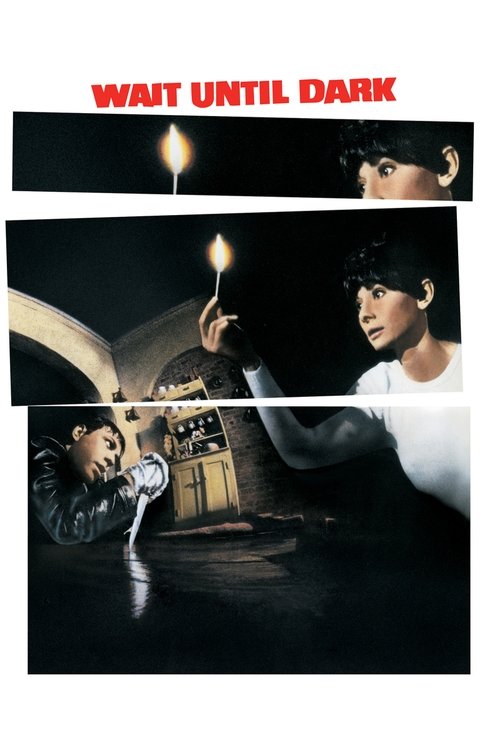
Wait Until Dark is a mid-century thriller that focuses on a narrow demographic range. It lacks meaningful representation for LGBTQ+ individuals and features a largely white, homogeneous cast that adheres to the era's mainstream cinematic norms. The film stands out in its subversion of gendered stereotypes. By focusing on Susy’s intellectual prowess and tactical skills, the narrative transforms her physical vulnerability into a source of strength, moving away from traditional helplessness. Additionally, the portrayal of disability is nuanced, depicting visual impairment as a source of competence rather than merely a plot device. Despite the emphasis on her physical vulnerability, the film highlights Susy’s significant role in driving the story.
Category Breakdown
The film does not include any LGBTQ+ characters or explore non-straight relationships. The main storyline revolves around a traditional heterosexual marriage.
Susy overturns the 'damsel in distress' stereotype by using her intelligence and sensory skills to regain control. She gains tactical superiority over her male adversaries without depending on male rescue.
The cast is predominantly white and homogeneous, reflecting the demographics of the 1960s. The film does not address racial or ethnic diversity.
The story is set within a traditional moral framework and does not question Western institutions or social structures.
Susy’s blindness is portrayed as a strength, highlighting her enhanced auditory and tactile abilities. However, the story emphasizes her physical vulnerability.
Present on Screen
Limited or Absent
Official Synopsis
After a flight back home, Sam Hendrix returns with a doll he innocently acquired along the way. As it turns out, the doll is actually stuffed with heroin, and a group of criminals led by the ruthless Roat has followed Hendrix back to his place to retrieve it. When Hendrix leaves for business, the crooks make their move -- and find his blind wife, Susy, alone in the apartment. Soon, a life-threatening game begins between Susy and the thugs.
1953
1955
1962

1955
1955
1964
1971

1962
No reviews yet. Be the first to share your thoughts on this movie!
Use the rating form above to leave a star rating and optional review.