The Fog
1980
No user ratings available yet
Representation score: 2.0 out of 10
Representation Score
Limited
1985
RDirector
Dan Attias
Runtime
95 minutes
Average Rating
No ratings yetNew Showbiz Analysis
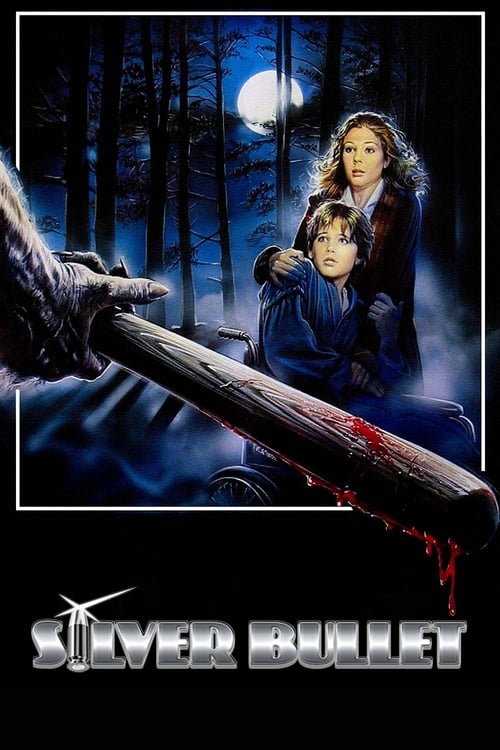
Silver Bullet is rooted in 1980s horror conventions, resulting in a predominantly white, heterosexual, and able-bodied narrative. It reinforces traditional gender and cultural hierarchies while distinguishing itself through a nuanced portrayal of disability. Marty Tooley’s paraplegia is central to his empowered role, offering a rare, humanized perspective that avoids common genre pitfalls of victimization. The film’s lack of racial and LGBTQ+ representation reflects its historical setting and source material rather than active exclusion. Female characters have some ability to act but remain secondary to the male protagonists' journey. The narrative prioritizes traditional family structures and community cohesion, even as these institutions fracture under fear.
Category Breakdown
The film adheres to a strictly heterosexual and cisgender worldview, focusing on coming-of-age themes without any queer identities or subtext. This reflects the era's genre conventions without offering any critique.
Female characters exhibit resilience and pass the Bechdel test, yet the plot remains centered around male protagonists. Women primarily fill supportive or caregiving roles, reinforcing traditional gender hierarchies.
The cast is entirely white, set in rural Maine. The film relies on the isolated white community cliché for horror, offering no diverse representation or critique of racial dynamics.
Traditional Western values and nuclear family structures dominate the moral framework. Institutions fail due to hysteria rather than systemic corruption, reinforcing conventional bonds without challenging cultural norms.
Marty’s paraplegia is portrayed with ability to act and nuance, avoiding pity or inspiration porn. His disability provides unique insights, challenging horror clichés by positioning him as an empowered outsider.
Present on Screen
Limited or Absent
Official Synopsis
The small city of Tarker's Mills is startled by a series of sadistic murders. The population fears the work of a maniac, but sightings of a mysterious, hairy creature soon spread. People lock themselves up at night, but there's one boy who's still outside…
1980
1983
1996
1981
1981
1981
1992
1982
No reviews yet. Be the first to share your thoughts on this movie!
Use the rating form above to leave a star rating and optional review.