Change of Mind
1969
No user ratings available yet
Representation score: 2.8 out of 10
Representation Score
Fair
1966
NRDirector
Hiroshi Teshigahara
Runtime
122 minutes
Average Rating
No ratings yetNew Showbiz Analysis
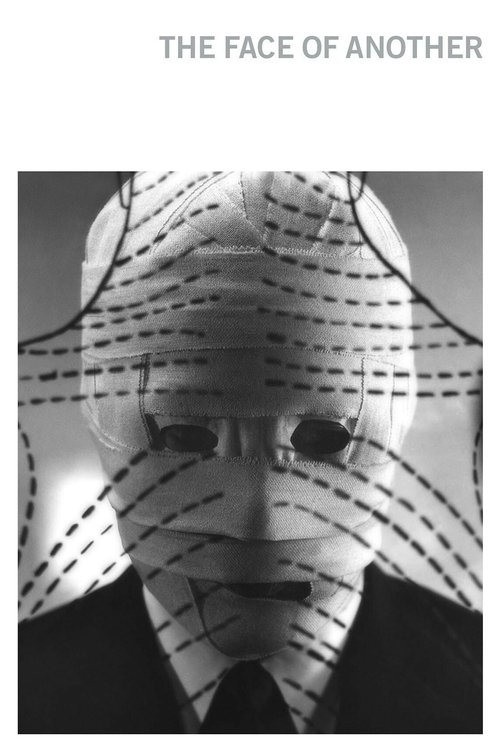
Hiroshi Teshigahara’s work is a profound exploration of identity fragmentation and the breakdown of social norms. While the film lacks demographic variety in terms of race and sexual orientation, it excels in its philosophical depth. It uses the protagonist's disfigurement to drive a complex narrative about personal ability to act and alienation. The film's strength lies in its intellectual rigor, particularly in how it deconstructs the 'unified self' within a modern, technological context. It treats disability as a serious psychological driver rather than a superficial plot device. However, the film remains limited by its narrow focus on a traditional domestic structure and a homogeneous social setting. The lack of diverse ethnic or LGBTQ+ representation keeps the demographic score low despite the high level of thematic complexity.
Category Breakdown
The film focuses solely on the protagonist's marriage and his internal psychological crisis. There are no representations of LGBTQ+ identities or non-straight relationships.
The story examines the disruption of traditional gender roles as the protagonist's transformation challenges marital hierarchies. However, the narrative remains focused on heterosexual relationships and limited female empowerment.
Set in a mid-century Japanese urban environment, the film portrays a predominantly homogeneous society. The concept of 'otherness' is symbolized through the artificial mask worn by the protagonist.
The film provides a sophisticated critique of modern, technocratic society and the instability of the individual. It challenges traditional views of a unified soul and character.
Physical disfigurement serves as a catalyst for existential inquiry rather than a source of mockery. The film avoids clichés by focusing on the psychological isolation caused by the condition.
Present on Screen
Limited or Absent
Official Synopsis
A businessman with a disfigured face obtains a lifelike mask from his new doctor, but the mask starts altering his personality and causing him to question his identity.
1969
1966

1986

1968

1985

1988

2017
1960
No reviews yet. Be the first to share your thoughts on this movie!
Use the rating form above to leave a star rating and optional review.