Mr. Church
2016
No user ratings available yet
Representation score: 4.8 out of 10
Representation Score
Good
1989
PGDirector
Bruce Beresford
Runtime
99 minutes
Average Rating
No ratings yetNew Showbiz Analysis
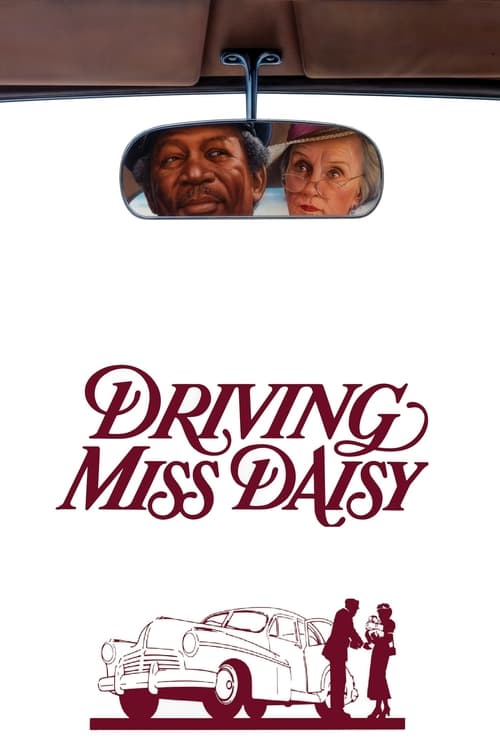
Driving Miss Daisy successfully deconstructs racial and class-based hierarchies in the American South. By focusing on the evolving respect between a Jewish widow and her Black chauffeur, the film provides a detailed look at the social injustices of the era. The film excels in giving significant roles to characters who navigate oppressive systems. Hoke Colburn transitions from a servant to a central figure in the widow's life, while Daisy Werthan is portrayed with a complex, stubborn independence that resists the stereotype of elderly passivity. However, the film's focus is limited to race, class, and age. It lacks any representation or exploration of LGBTQ+ identities and does not address gendered power dynamics or neurodivergent themes.
Category Breakdown
The film does not include any LGBTQ+ characters or explore non-straight relationships. The story focuses solely on the professional and friendly bond between the two main characters.
Daisy Werthan is shown who play a significant role in driving the story, dealing with aging and societal changes with a stubborn intellect. While it challenges the idea of passive women, the story doesn't focus on breaking down male dominance.
The film criticizes the Jim Crow South by highlighting the relationship between a Jewish widow and her Black chauffeur. Hoke Colburn is given significant depth and ability to act throughout the story.
The narrative critiques the institutional hierarchies and segregationist norms of the South. It uses the bond between the Jewish widow and her Black chauffeur to challenge the systemic prejudices of the time.
The story examines the challenges of aging and reduced mobility. It avoids sentimental clichés, focusing instead on the practical difficulties of losing physical independence and control.
Present on Screen
Limited or Absent
Official Synopsis
The story of an old Jewish widow named Daisy Werthan and her relationship with her black chauffeur, Hoke. From an initial mere work relationship grew in 25 years a strong friendship between the two very different characters, in a time when those types of relationships were shunned.
2016
1990

2022
1959
2000
1973
1991
1987
No reviews yet. Be the first to share your thoughts on this movie!
Use the rating form above to leave a star rating and optional review.